


The Uncanny Valley of Perfection
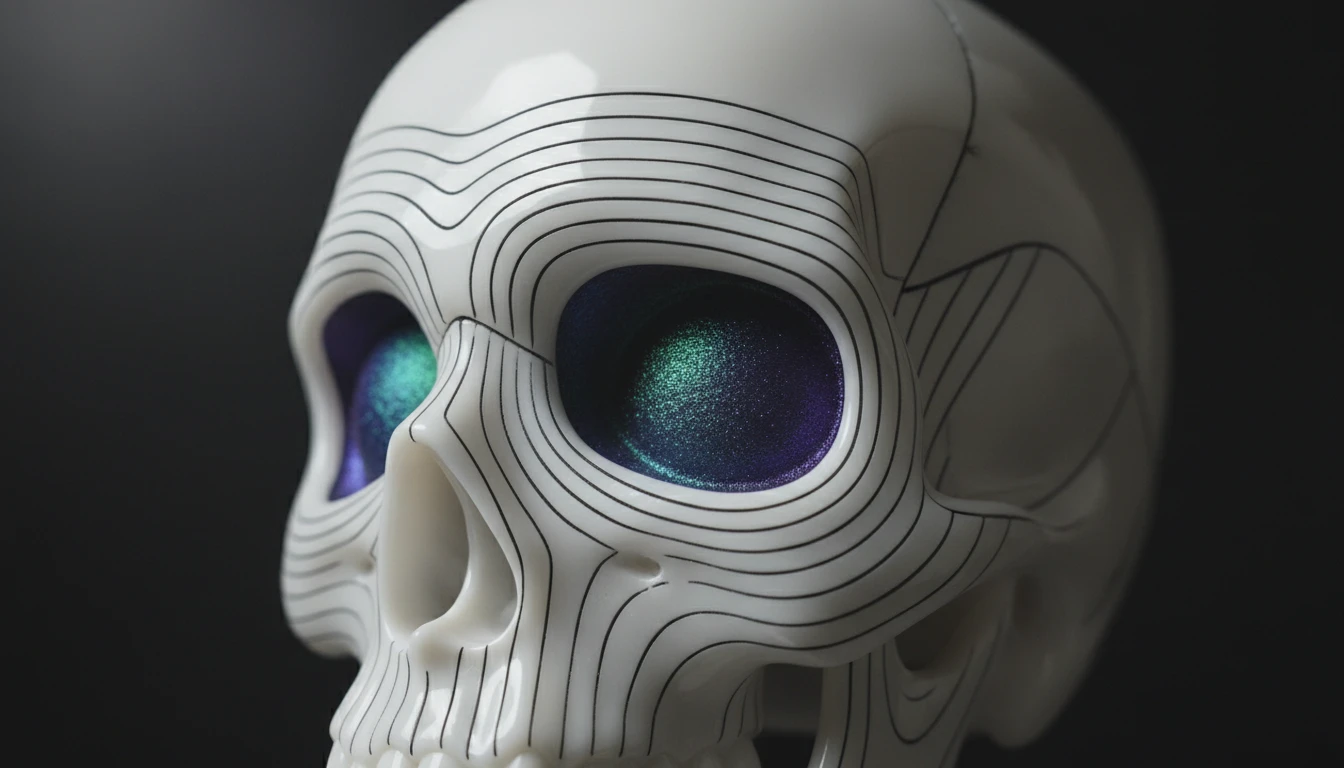
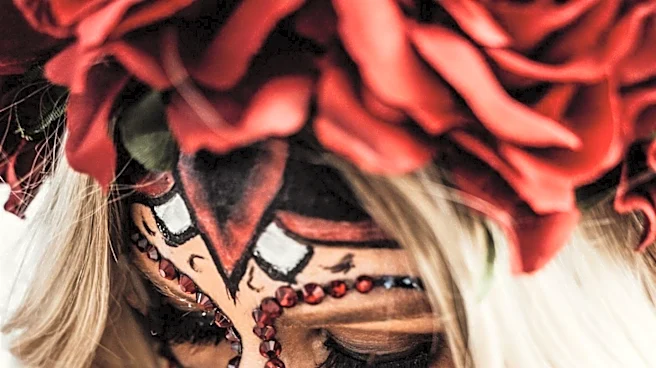
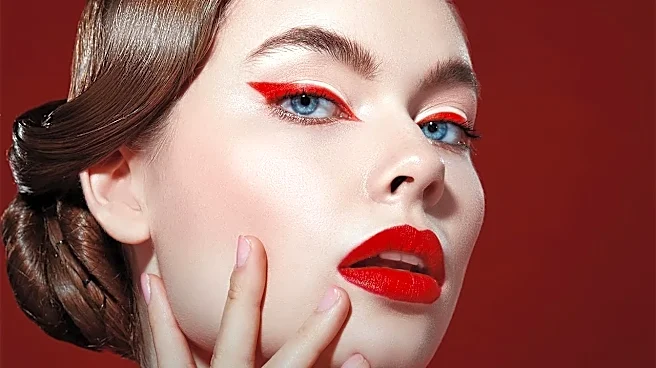
Gore makeup, with all its latex wounds and expertly crafted bruises, is designed to repel. It’s a straightforward, honest kind of scary. You see a zombie, you know it's a costume meant to mimic death and decay. But 'glam' Halloween makeup operates on a much more sinister level. The trend of creating impossibly perfect, contoured skulls, jewel-encrusted aliens, or flawlessly blended pop-art characters doesn't aim for overt horror. Instead, it creates something that is almost human, but not quite. This is the uncanny valley, a term coined by roboticist Masahiro Mori to describe the unsettling feeling we get from figures that look nearly, but not perfectly, human. A glittery skeleton with a 24-pan eyeshadow look and razor-sharp contour is far more psychologically
disturbing than a simple monster mask. Its features are human, but the poreless finish, symmetrical lines, and dead-eyed perfection are distinctly artificial, triggering a primal sense of unease that a rubber werewolf mask could never achieve.
The Existential Terror of the Tutorial
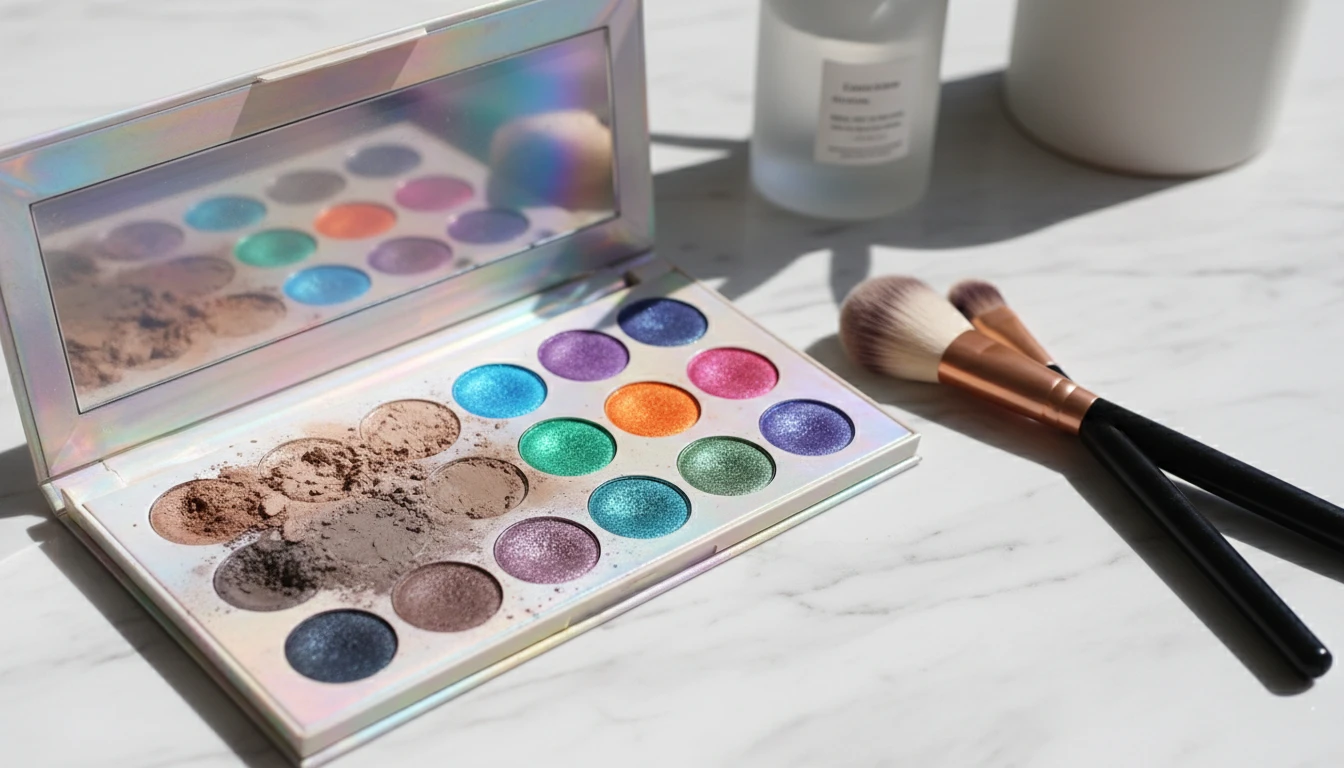
Beyond the unsettling aesthetics, the true fear of glam makeup lies in the crushing pressure it represents. Gore and special effects makeup are about transforming into a character; it's a playful act of becoming something else. Glam makeup, however, often feels like a high-stakes performance of skill. The horror isn't being chased by a monster; it's the quiet dread of spending four hours in front of a mirror, trying to replicate an impossibly complex tutorial, only to end up with a muddy, asymmetrical mess. Social media has turned Halloween from a night of simple costumes into a competitive showcase. The pressure to present a flawless, viral-worthy look is a modern anxiety far more potent than any campfire ghost story. A lumpy, fake wound from a drugstore kit is funny. But a failed attempt at a perfect, glam-style 'celestial mermaid' is a public declaration that you weren’t skilled enough, patient enough, or good enough to join the ranks of the effortlessly perfect. That kind of self-imposed judgment is genuinely terrifying.
Beauty That Erases, Horror That Reveals
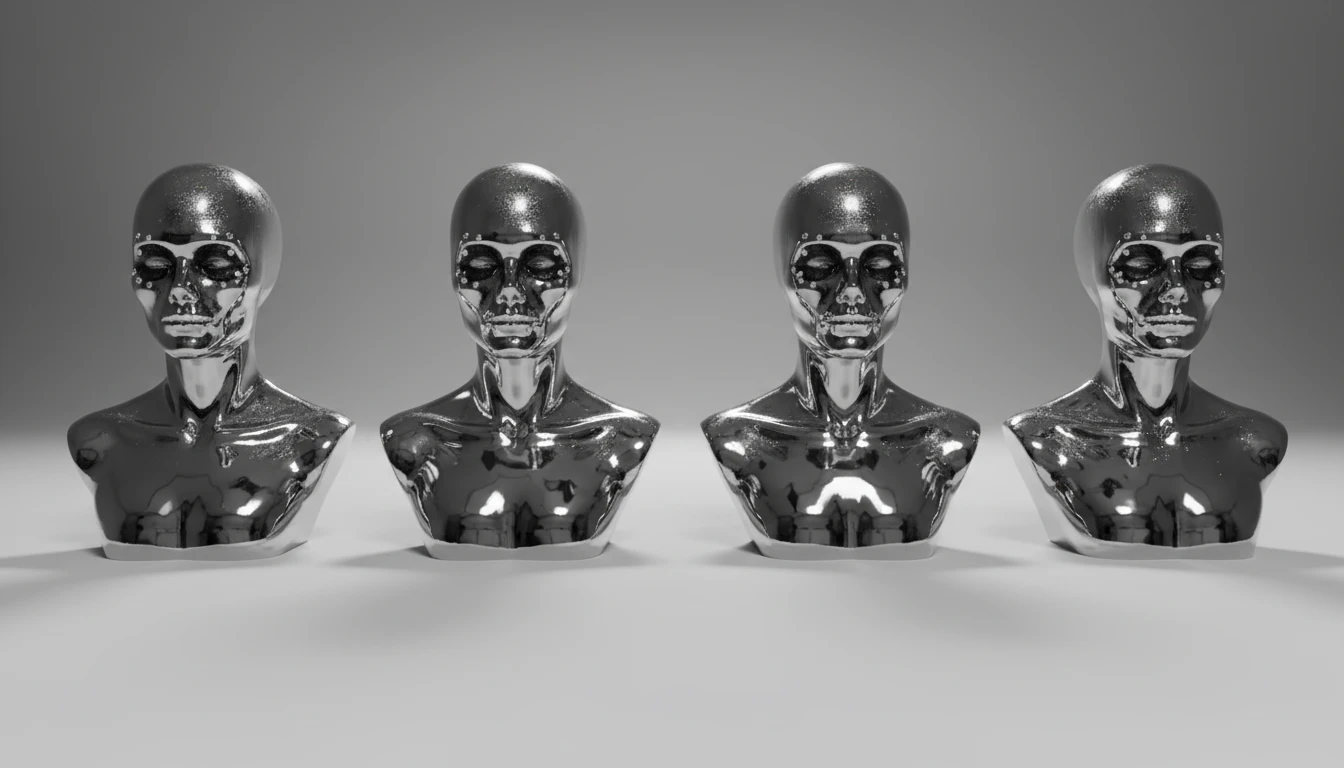
Ultimately, the goal of traditional horror makeup is to create a memorable character. Whether it's a gruesome monster or a bloody victim, the makeup tells a story and evokes a specific emotion. It’s about adding layers of personality, however monstrous. Glam Halloween makeup often does the opposite. In its pursuit of an idealized, aestheticized version of 'spooky,' it strips the character away, leaving behind a beautiful but hollow shell. A thousand different 'glam skeletons' all look vaguely the same: same contour, same smoky eye, same strategically placed rhinestones. They aren't characters; they are walking, shimmering beauty templates. This homogenization is its own kind of horror—the erasure of individuality in favor of a trend. While gore and guts give you a story to tell, the scariest thing about a perfectly glamorous Halloween look is that, underneath all that flawless blending and sparkle, there might be nothing left to say at all.