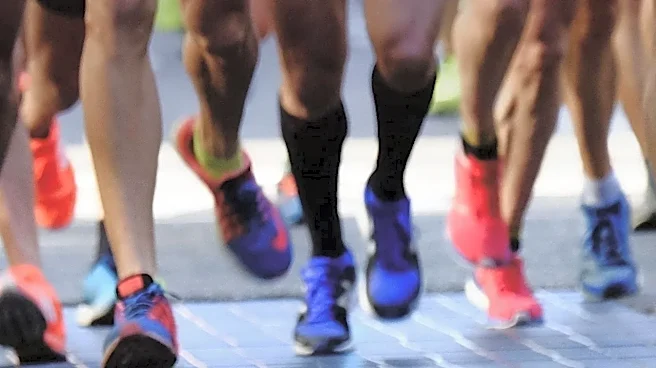





Before the turkey is carved and the football games kick off, a growing number of Americans are starting Thanksgiving with a different tradition: a run. Last year, over 1.3 million people participated, making it the biggest racing day in the U.S.
An Unlikely Holiday Ritual
Thanksgiving has long been synonymous with indulgence—a day dedicated to feasting with family and friends. Yet, in a twist that speaks volumes about modern American life, the morning of this food-focused holiday has become the single most popular day of the year for road races. Data from last year shows that more than 1.3 million people laced up their sneakers for a 'Turkey Trot'. These events, held in all 50 states, now number over 1,000 annually, ranging from small-town fun runs to massive urban gatherings
that draw tens of thousands. The 5K is the most common distance, making it accessible to everyone from serious athletes to families pushing strollers and people walking in turkey costumes. This surge in participation isn't just a fad; it reflects a fundamental shift in how Americans are choosing to celebrate.
From Six Runners to a National Phenomenon
The tradition has surprisingly deep roots, predating even the Boston Marathon. The very first Turkey Trot was held on Thanksgiving Day in 1896 in Buffalo, New York, organized by the local YMCA. It was a modest affair: just six men competed in the five-mile race over rugged dirt roads, and only four finished. For decades, running was a fringe activity, and these trots were small, hyper-competitive events almost exclusively for men. Women weren't officially allowed to participate in the Buffalo race until 1972. The running boom of the 1970s changed everything, transforming the Turkey Trot from a niche contest into a mainstream community celebration. What began with a handful of athletes has evolved into an inclusive, festive ritual that is now the oldest continuously run footrace in the world.
The 'Earn Your Bird' Effect
So, what gets over a million people out of bed to run on a holiday morning? A big part of the appeal is psychological. Many participants embrace the 'earn your bird' mentality—the idea of getting in a guilt-free workout before the day's indulgences. It offers a sense of balance and a dose of stress-relieving endorphins before a day that, for all its joys, can also be hectic. But it's more than just a preemptive calorie burn. For many, it's a chance to establish a healthy family tradition that doesn't revolve around the dinner table. Unlike more serious races, most Turkey Trots have a lighthearted, festive atmosphere, encouraging costumes and celebrating participation over competition. This low-key, fun-first approach makes it an easy and accessible way for entire families to do something active together.
Running for a Cause
Beyond the personal benefits, the Turkey Trot phenomenon is a powerful engine for community good. A vast majority of these races are tied to charitable causes, raising millions of dollars for local organizations. The Sacramento 'Run to Feed the Hungry' is one of the nation's largest, with proceeds benefiting a local food bank. The Dallas YMCA Turkey Trot, another massive event, supports youth and wellness programs. Many races also serve as collection points for canned food drives or clothing donations. This spirit of giving back is woven into the fabric of the events, aligning perfectly with the broader Thanksgiving theme of gratitude and community support. For many runners, the race is less about their finish time and more about making a tangible difference in their community.