





The Director, Not the Diner
There’s a new role at the modern Thanksgiving table: the self-appointed creative director. This person isn’t just enjoying the meal; they’re producing it. They’re orchestrating the 'perfect' shot of a fork sinking into pie, directing a cousin to laugh again for a slow-motion reel, and narrating the scene for an audience that isn’t in the room. In the quest to capture a memory, they forget to be a part of it. This impulse shifts the focus from participation to documentation. Instead of simply living the moment, we start to see our own lives from an outsider's perspective, as if we’re watching a movie unfold. The priority becomes not the feeling of gratitude or connection, but how well that feeling can be packaged for public consumption. We become curators
of a life we're too busy recording to actually live.
When Memory Becomes a Draft
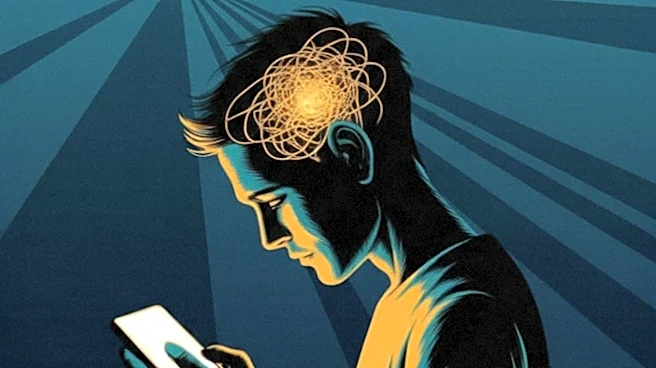
We tell ourselves we're recording these videos to remember them forever. But research suggests the opposite may be true. Constantly filming can actually impair our ability to form rich, detailed memories of our own. Psychologists call it the 'photo-taking impairment effect': when we rely on an external device to 'remember' for us, our brain essentially outsources the job. It stops paying close attention to the sensory details—the smell of the stuffing, the sound of a specific laugh, the warmth of the room—because it knows a digital copy exists. The video becomes the memory, replacing the more nuanced, emotional, and even flawed recall that our minds would have naturally stored. The curated, edited highlight reel you post online overwrites the beautifully imperfect, authentic experience you actually had.
The Unseen Audience at the Table
Who is this performance for? Increasingly, it’s for an invisible audience on social media. The pressure to present a joyful, picturesque holiday is immense. This curated reality creates what sociologists call 'performative authenticity'—an act of trying to appear genuine for an audience. We're not just sharing a moment; we're crafting a narrative that our lives are happy, our families are harmonious, and our holidays are flawless. This pressure can amplify holiday stress and lead to feelings of inadequacy if our reality doesn't match the filtered perfection we see online. The Thanksgiving table stops being a private space for connection and becomes a public stage for comparison and validation.
The Case for Imperfect, Private Joy
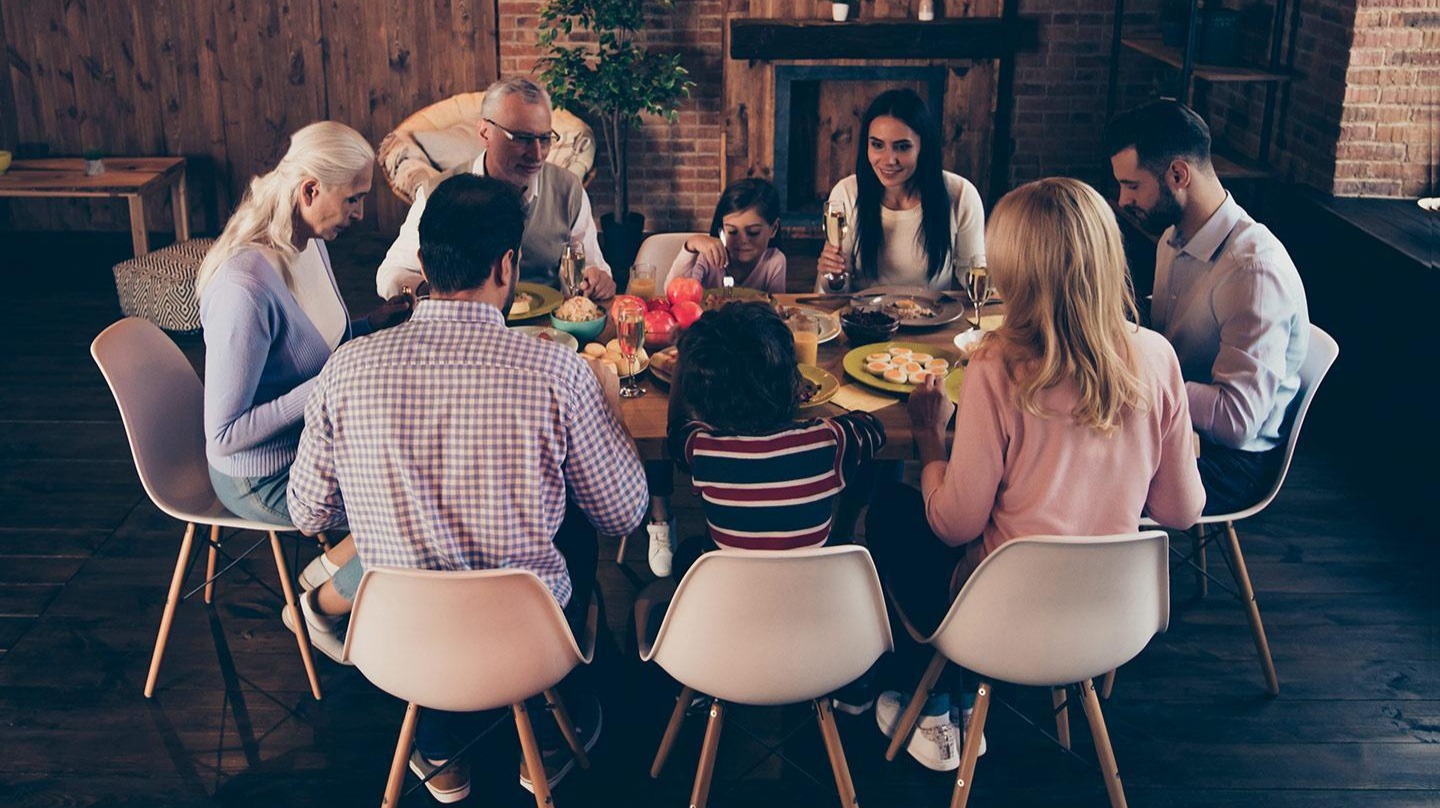
So what's the alternative? A digital detox. It's about consciously choosing to put the phone away and reclaiming the holiday for yourself and the people in the room. The most meaningful moments are often the ones that are un-postable. They’re the slightly blurry, chaotic, and deeply personal interactions: the political debate that ends in a hug, the kitchen mishap that becomes a family joke, the quiet conversation with a grandparent. These moments aren't polished enough for an Instagram story, but they are the bedrock of genuine connection. They are the memories that truly sustain us, not because they collected likes, but because we were fully present to experience them. The real gift of Thanksgiving isn’t a perfect video; it’s the unfiltered joy of being together.