







Step 1: Gather Your Supplies
The best crafts are the ones that don't require a special trip to the store. Before you begin, raid your home for theatrical supplies. You'll need a large cardboard box (big enough to sit on a table) or an old sheet to serve as the curtain. For the puppets, gather lunch-sized paper bags, old socks, or even wooden spoons. Collect a director's toolkit of markers, crayons, construction paper, scissors, and glue. Googly eyes and yarn for hair are fantastic extras if you have them. The goal is to assemble a box of possibilities that kids can dive into without a lot of fuss.
Step 2: Build Your Stage
This is where the kids' table becomes a Broadway venue. The simplest method involves draping a large sheet or tablecloth over the table, letting it hang down in the front to conceal
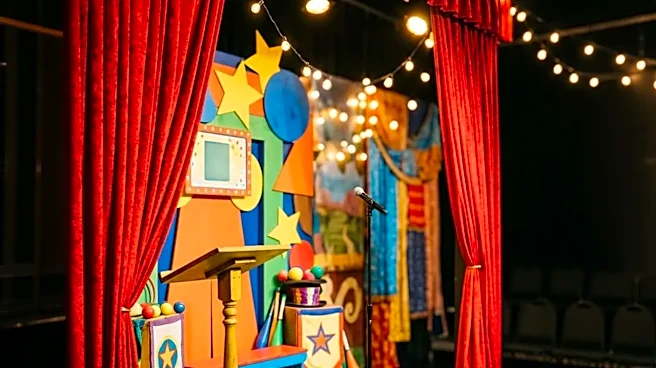
the puppeteers. The kids can then perform from underneath. A more elaborate option is to use a large cardboard box. Place the box on its side with the opening facing the puppeteers' side of the table. On the opposite side—the one facing the 'audience'—cut a large rectangular window. This becomes your proscenium arch. Kids can spend time decorating the box with markers, paper shapes, or even leftover wrapping paper to make it feel like a grand theater.
Step 3: Create Your Cast of Characters
No show can go on without its stars. Paper bags are the easiest entry point into puppetry. Have the kids lay a bag with the flap facing up; this flap becomes the mouth. They can draw a face on the flap and body below. Encourage them to create a Thanksgiving-themed cast: a turkey with colorful paper-handprint feathers, pilgrims, or even puppets that look like family members. Sock puppets are another classic for a reason—they're simple and full of personality. Just add googly eyes and some yarn hair, and you have an instant character ready for the spotlight.
Step 4: Craft a Simple Story
A great puppet show needs a plot, however simple. Encourage the kids to work together to create a story. It doesn't need to be complicated; in fact, the simpler, the better. Maybe the story is about a turkey who's trying to avoid becoming dinner, or a tale about the first Thanksgiving. Another great source of inspiration is the family itself—the puppets could reenact a funny memory or a favorite family story. For younger kids, keep the plot focused on a simple problem and a happy resolution. The key is to foster collaboration and let their collective creativity guide the narrative.
Step 5: Let the Show Begin!
Once the stage is set, the puppets are made, and the story is ready, it's showtime. Dim the lights in the room to add a little drama and gather the 'audience' (the adults!). The kids can hide behind their cardboard stage or under the tablecloth, holding their creations high. Encourage them to use different voices for each character and have fun with it. The performance might be a little chaotic, and lines might be forgotten, but the goal isn't a perfect production. It’s about the joy of creating something together and giving the kids a proud moment to shine.