





The Spark of an Idea
Every balloon begins not with fabric, but with a simple pencil sketch. A team of designers at the Macy's Parade Studio, a massive 72,000-square-foot workshop in New Jersey, brainstorms which characters will resonate with audiences. This decision is a mix of pop culture relevance, classic nostalgia, and sponsor collaboration. Once a character is chosen, artists create detailed concept drawings. These aren't just cartoons; they include notes on aerodynamics and engineering. The goal is to capture a character's essence in a pose that is both iconic and flight-worthy. A wide stance might look great on paper but could be too broad for Manhattan's streets, so poses are often adjusted for a better viewing angle from the ground.
Blueprint for a Gentle Giant
Once the sketch is approved,
it’s translated into a three-dimensional clay model, called a maquette. This miniature version is crucial for the engineering phase. By submerging the model in water, designers can calculate the volume and determine the exact amount of helium needed for the full-size version—often around 12,000 cubic feet per balloon. The maquette is also scanned into a computer to create a precise 3D digital model. This digital blueprint is then used to map out the individual fabric pieces and internal chambers. Balloons are built with multiple separate compartments so that if one section gets a tear, the entire character doesn't deflate.
Assembling the Icon
Using the digital patterns, automated tables cut massive pieces of polyurethane-coated nylon fabric. This material is specifically chosen because it’s durable, flexible, and nonporous enough to contain the notoriously leaky helium gas. Instead of being sewn, which would create thousands of tiny holes, the fabric pieces are heat-sealed together to create airtight bonds. Once constructed, the real artistry begins. The balloon is inflated with air, and painters get to work on towering scaffolding, hand-painting every detail. This is done while the balloon is inflated to prevent the paint from cracking when it expands on parade day. It can take gallons of paint and even barrels of glitter to bring a character's personality to life.
Showtime on the Small Screen
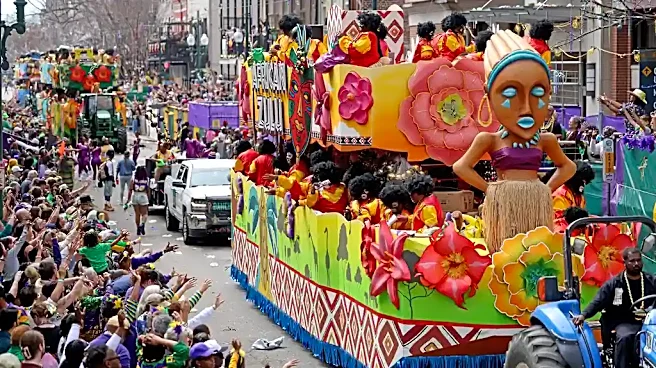
A balloon doesn't just float; it performs. This is where it truly becomes a TV character. Each giant is managed by a team of 50 to 90 uniformed handlers who undergo training in physics and aerodynamics. This team is led by a 'pilot' who walks backwards in front of the balloon, guiding its every move. The pilot and captains use whistles and hand signals to direct the handlers, telling them when to raise or lower the balloon, or fight a gust of wind. This choreography is what allows a balloon to seemingly wave to the crowd or dip for a dramatic 'bow' in front of the TV cameras at Herald Square. The handlers' constant adjustments, pulling ropes that feel like fully tensed resistance bands, create the illusion of a living, breathing character for the millions watching at home.