

An Hour of Forced Festivities
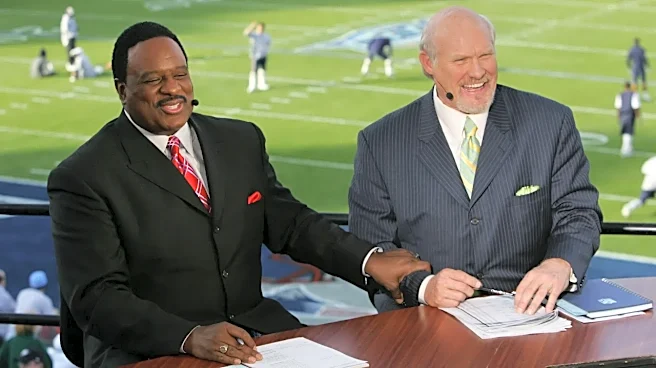
Before the coin is tossed or the first whistle blown, networks present us with an hour or more of what amounts to televised filler. This isn't your grandfather's tightly produced pregame summary. Modern pregame shows have become an exercise in strained banter and manufactured sentimentality. Analysts, many of whom are long removed from the game, engage in forced laughter and deliver platitudes about 'holiday football' that feel as generic as the canned cranberry sauce. This annual ritual isn't a cherished tradition passed down through generations; it's a modern television invention designed to capture advertising dollars and fill airtime before the main event. It capitalizes on a captive audience, assuming that because the game is on, we're
content to watch anything that precedes it.
The Illusion of Analysis
The core function of a pregame show should be to offer insight and analysis that enhances the viewing experience. Yet, by the time Thanksgiving rolls around, what is there left to say? The talking points have been recycled all week on sports radio and countless other programs. We know who's injured, we know the stakes, and we've heard the predictions. The pregame show simply rehashes this information, often dumbing it down for what they perceive as a more casual holiday audience. In an era of instant news via social media and endless online content, the pregame show is an information relic. Fans who genuinely care about fantasy stats or injury reports have already found that information online long before the hosts take their seats at the polished desk.
The Great Disconnect
Perhaps the biggest crime of the Thanksgiving pregame show is what it takes away from the day itself. Thanksgiving is one of the few times a year that families and friends make a concerted effort to gather and connect. It's a day for conversation, for helping in the kitchen, for playing a pickup game in the yard, or for simply catching up. The pregame show acts as a low-grade social anesthetic. It’s just interesting enough to pull people out of conversation but rarely compelling enough to be truly entertaining. It encourages us to stare at a screen instead of engaging with the people right in front of us, creating a shared experience of distraction rather than connection.
When the Hype Exceeds the Game
Let’s not forget that the games themselves, despite the pageantry, can be underwhelming. While the 2026 slate features some compelling rivalries like Eagles at Cowboys and Chiefs at Bills, history is littered with Thanksgiving blowouts and matchups between struggling teams. The Detroit Lions and Dallas Cowboys are permanent hosts, and their opponents are scheduled far in advance, often resulting in games that lack the high stakes promised by the pregame hype. This can lead to a long day of subpar football, where the most exciting part was supposed to be the buildup. When the main course disappoints, the appetizer of stale analysis and forced camaraderie feels even more unsatisfying.