




It Creates the Theater of the Mind
Television shows you the game; radio lets you imagine it. A great radio broadcast doesn't just describe the action, it paints a picture. Without a screen dictating what you see, the announcers become storytellers, using their words to build the scene. The quarterback’s frantic scramble, the roar of the home crowd after a sack, the perfect spiral of a long bomb—it all unfolds in your mind's eye. This active listening is a more engaging and personal experience. Instead of passively consuming a feed, you become a co-creator of the game's drama, filling in the visuals with your own imagination. It transforms a broadcast into a bespoke performance just for you.
The Announcers Are Better Storytellers
TV commentators often assume you can see the field, filling airtime with tangential stats
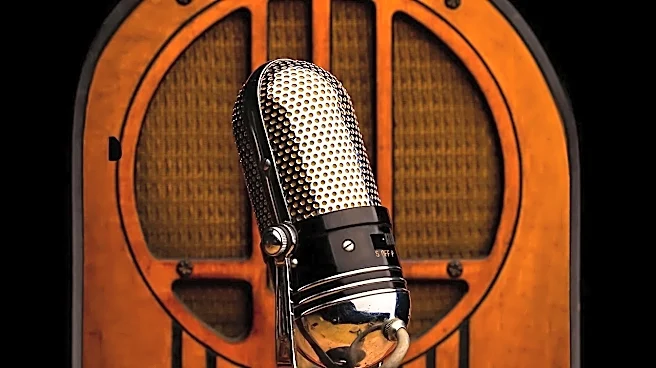
or strained banter. Radio announcers have a different job entirely. Their primary function is to be your eyes, translating every formation, shift, and play into clear, descriptive language. They have to tell you the story of the game because there is no other way to follow it. This necessity breeds a more focused, vivid, and often more passionate style of commentary. Whether it’s a national broadcast from Westwood One or a local crew that knows your favorite team inside and out, the voices on the radio are masters of narration.
It's the Perfect Holiday Soundtrack
Let’s be honest: Thanksgiving is a busy day. You’re catching up with relatives, helping in the kitchen, or maybe sneaking in a nap on the couch. A football game on TV can dominate a room, its flashing screen and booming audio demanding focus. The radio, however, is the perfect companion. It provides the excitement and ambient energy of the game without hijacking the entire social gathering. You can follow the score while chopping onions, debate a bad call while setting the table, and celebrate a touchdown without missing a beat in your conversation. It complements the day's activities instead of competing with them.
It Frees You From the Couch
The greatest advantage of radio is its portability. You are no longer tethered to the living room. Want to enjoy the crisp fall air on the back porch? Take the radio with you. Need to make a last-minute run to the store for more ice? The game comes along in the car. It allows you to be present for the holiday's other moments—playing catch in the yard with the kids, sharing a quiet word with a cousin—while still staying connected to the action. This freedom from the screen makes the day feel more expansive and less scheduled.
It Connects You to a Timeless Tradition
The very first national NFL Thanksgiving broadcast wasn't on TV; it was on the radio. In 1934, Detroit Lions owner George A. Richards arranged for his team's game against the Chicago Bears to be aired across 94 stations on the NBC Radio Network. It was a marketing masterstroke that cemented the bond between football and the holiday. Tuning in via the airwaves in 2026—whether it’s the Lions and Bears in the early slot, the Cowboys hosting the Eagles, or the primetime matchup between the Chiefs and Bills—is a way of participating in that history. It connects you to generations of families who gathered around a radio, listening to the very same American tradition unfold.