









The Contenders: What Are They?
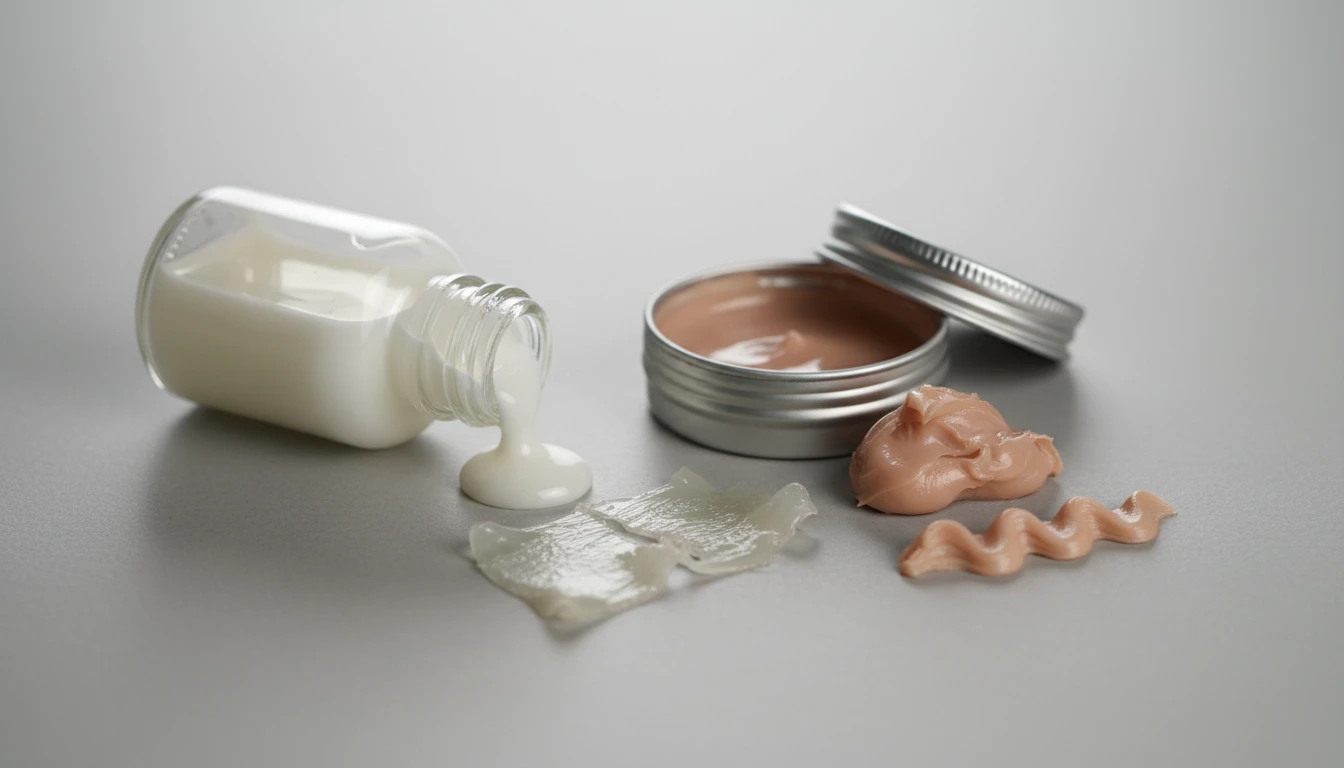
Liquid latex is essentially liquified rubber that can be painted directly onto the skin. It dries to form a flexible, skin-like layer that can be manipulated to create a variety of textures, from aged, wrinkled skin to peeling flesh and blisters. It's often layered with materials like tissue or cotton to build up texture. Scar wax, on the other hand, is a pliable, putty-like substance. It's a modeling compound designed to be sculpted directly on the skin to build three-dimensional effects like deep cuts, bullet holes, or altered features like a broken nose. Think of latex as a second skin you create and tear, while wax is clay you sculpt.
Ease of Use: The Beginner's Choice
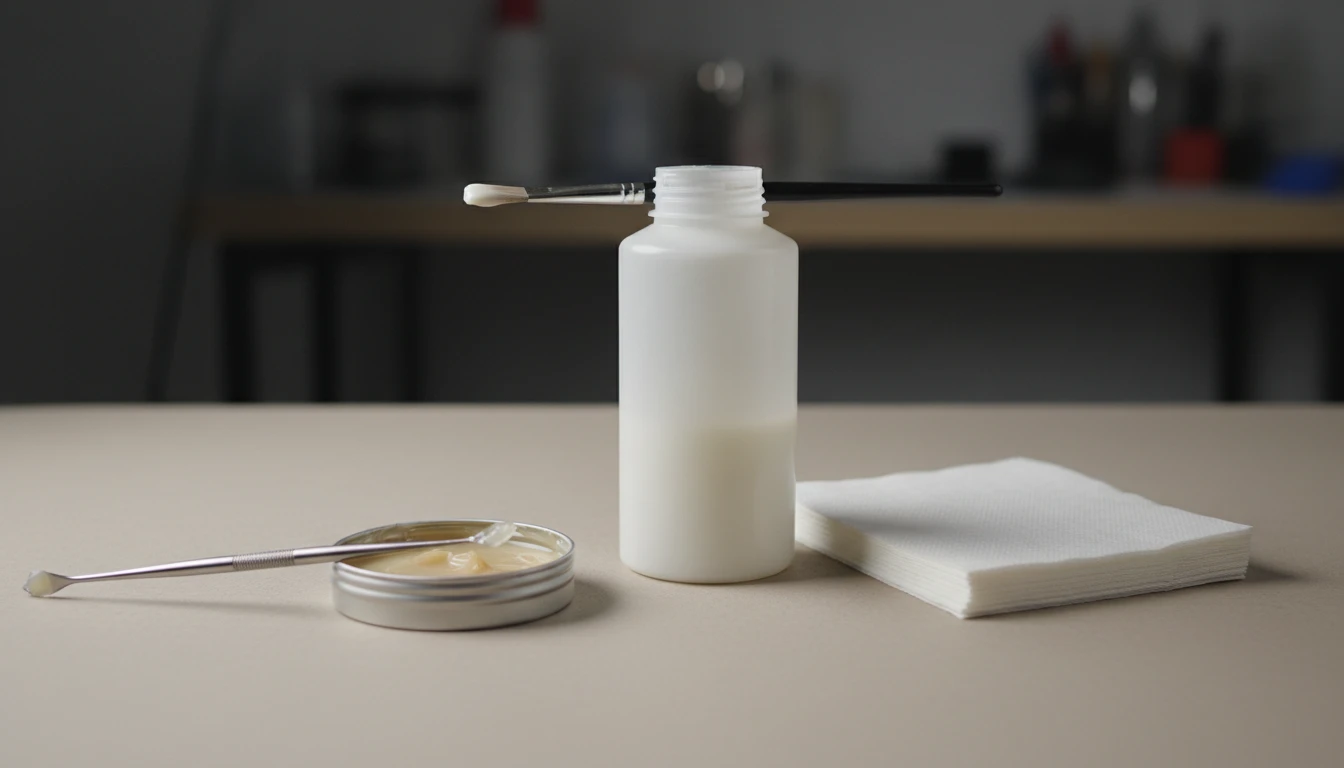
For those new to SFX makeup, scar wax is often considered the more challenging medium. It can be sticky and
requires some practice to blend its edges seamlessly into the skin. Using a bit of petroleum jelly or lotion on your fingers and tools is key to preventing it from sticking where you don't want it. Liquid latex is generally seen as more forgiving for beginners. The process of layering it with single-ply tissue is straightforward: paint on latex, apply tissue, paint on more latex, and repeat. This technique is great for creating large areas of textured, damaged skin without needing precise sculpting skills. However, be warned: liquid latex has a strong ammonia smell and will pull out any hair it touches upon removal, so prep your skin accordingly.
Realism and Versatility: Crafting the Perfect Wound
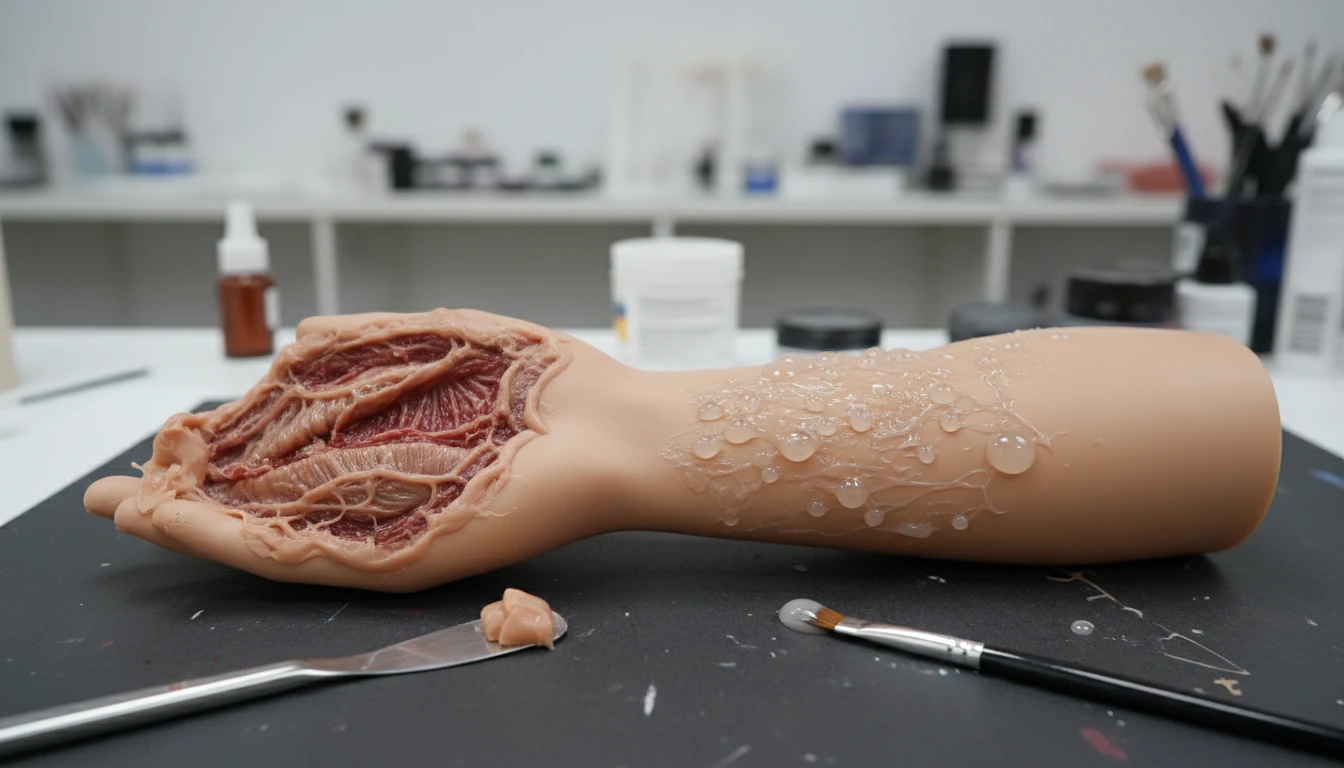
This is where the two products really diverge. Scar wax excels at creating deep, 'fleshy' wounds and altering bone structure. Because you can sculpt it, you can create the illusion of a deep gash or a protruding bone with impressive realism. It's the go-to for effects that require building up form, like a witch's chin or a boxer's broken nose. Liquid latex is the champion of surface texture. It’s perfect for creating peeling skin, old scars, blisters, and large-scale effects like zombie flesh or severe burns when layered with tissue. While you can create cuts by tearing the latex, they tend to look more like superficial gashes rather than deep, dimensional wounds. Often, the best effects use both: scar wax to build the shape of the wound and a thin layer of liquid latex overtop to seal it and help blend the edges.
Durability and Wear: Surviving the Party
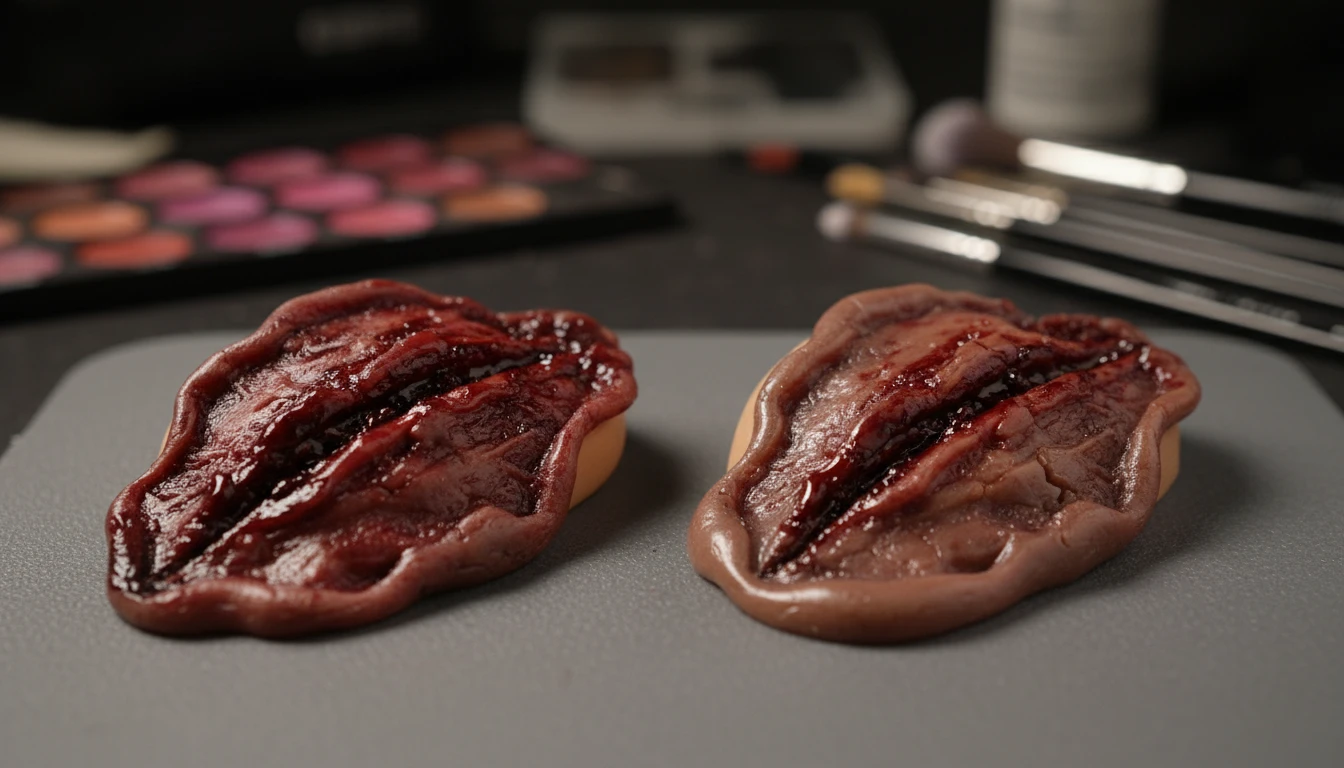
A great effect is useless if it falls off an hour into your Halloween party. Liquid latex, once dry, is very durable. It forms a single, flexible piece that moves with your skin, making it great for high-movement areas. Scar wax, however, is more delicate. It can warm up from your body heat, soften, and lose its shape, especially in active or warm environments. To make it last, applying an adhesive like spirit gum underneath is highly recommended, as is sealing the finished creation with liquid latex or another makeup sealer. For long nights with lots of activity, latex generally holds up better on its own.
The Verdict: Which Should You Choose?
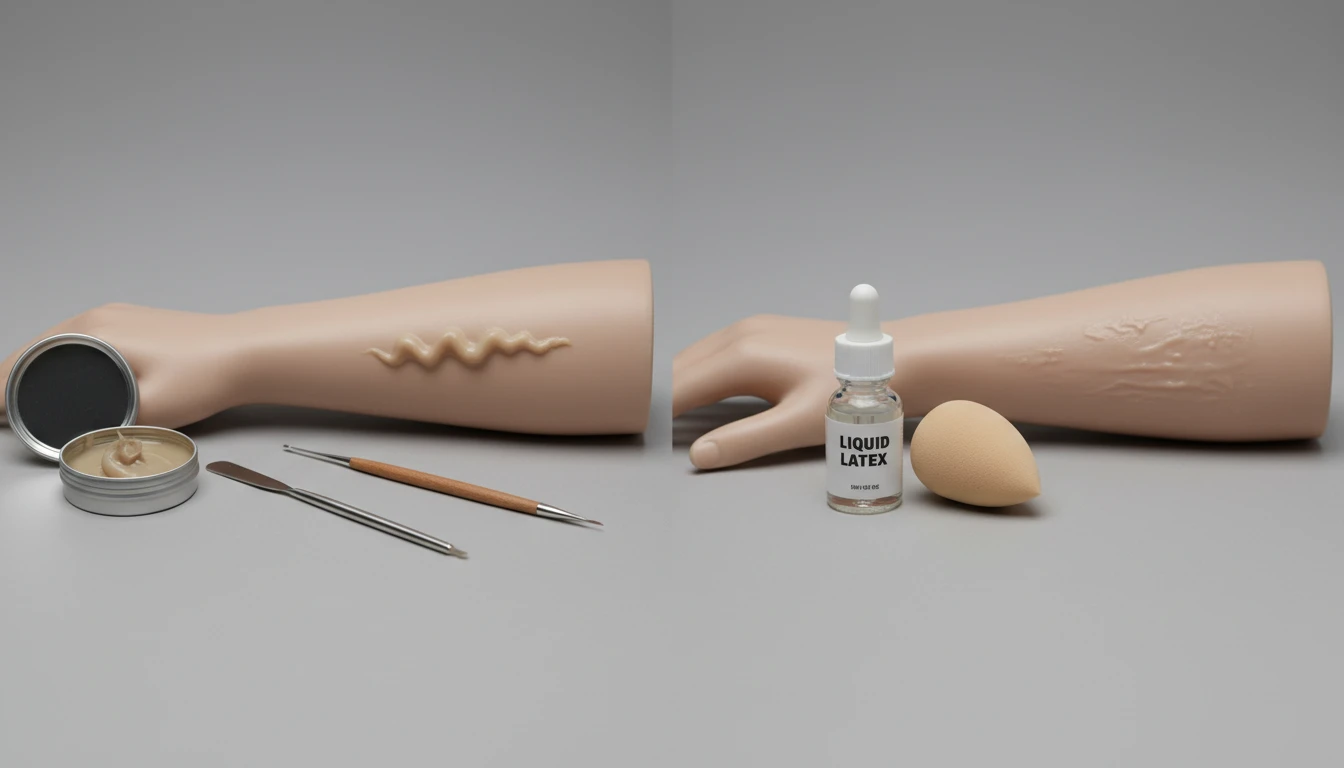
Ultimately, the better product depends entirely on the effect you want to achieve. Choose Scar Wax if: You want to create deep, sculptural wounds like gory gashes, bullet holes, or change the shape of your nose or chin. You have some patience for blending and want a highly realistic, 3D effect. Choose Liquid Latex if: You're a beginner looking for an easier entry point, or you want to create large areas of textured skin like peeling flesh, zombie decay, or aged wrinkles. Durability for a long night is your top priority.