




Round 1: Coverage and Pigment
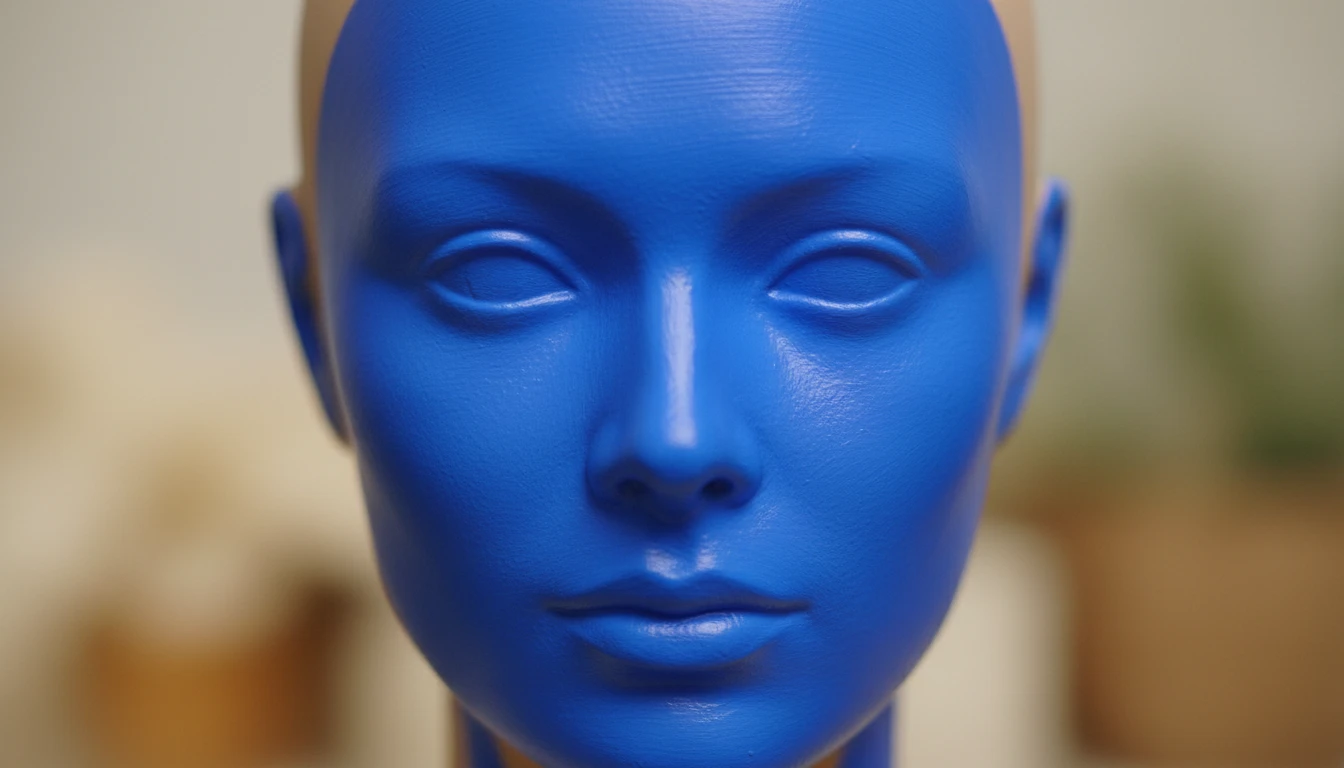
If your costume requires transforming your entire face to be green, blue, or ghostly white, face paint is your heavy hitter. Generally, face paints are formulated for large-scale coverage with bold pigments designed to be vibrant and opaque. Think of it as a primer and color in one step. Cream makeup, on the other hand, is thicker and often more blendable, making it a star for more detailed or dimensional looks rather than full-face color blocking. While highly pigmented, creams are better for creating shadows, contours, and character lines, but may require more layering for total coverage. Winner: Face Paint, for bold, full-face transformations.
Round 2: Application and Blending
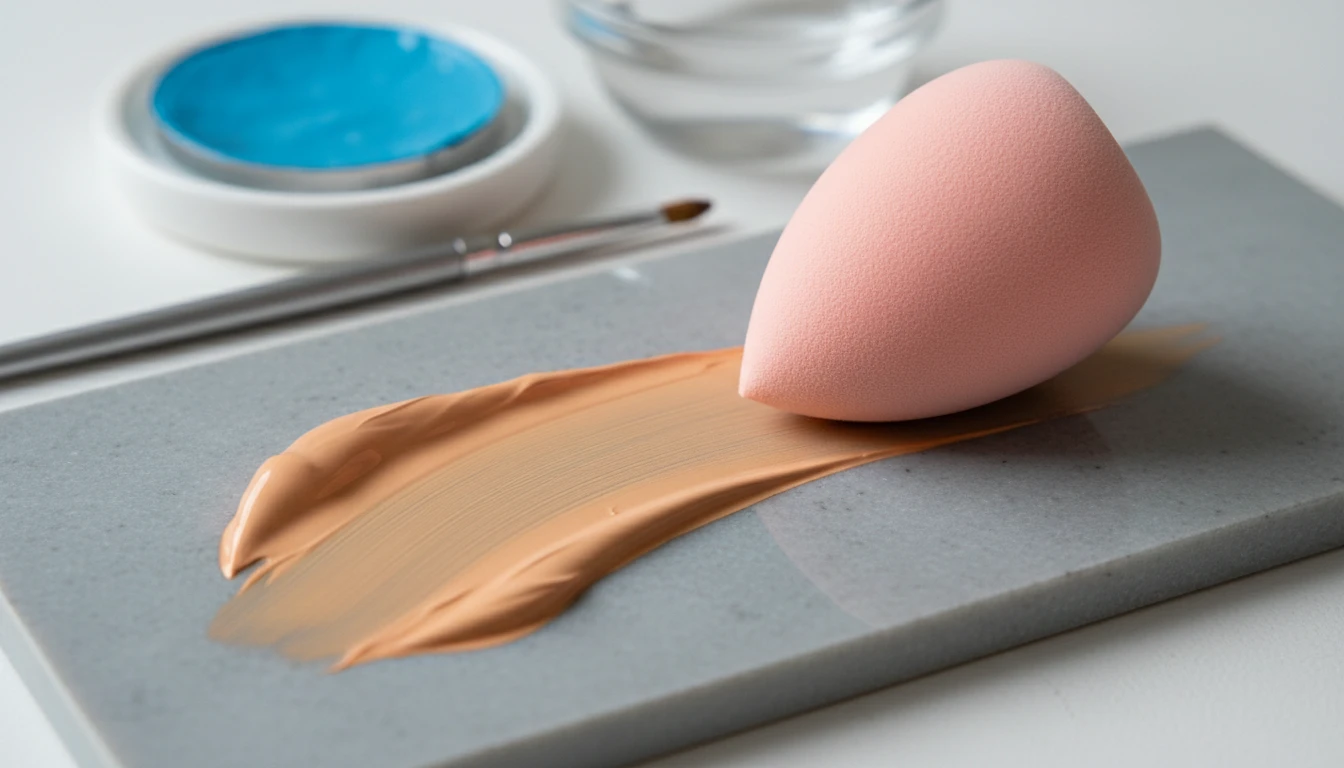
Cream makeup takes the prize for artistry and control. Its emollient texture is designed for blending,
allowing you to seamlessly contour a hollow cheekbone for a skeleton or create realistic-looking bruises for a zombie. You can apply it with sponges or even your fingertips, using the warmth of your skin to melt the product for a smooth finish. Water-activated face paints are easy to start—just add water to a dry cake and apply with a brush or sponge—but they dry quickly, making smooth blending a challenge. Grease-based paints offer more playtime but can feel heavy. For detailed linework, however, a fine brush with water-activated paint often beats a smudgy cream. Winner: Cream Makeup, for its superior blending and shading capabilities.
Round 3: All-Night Staying Power
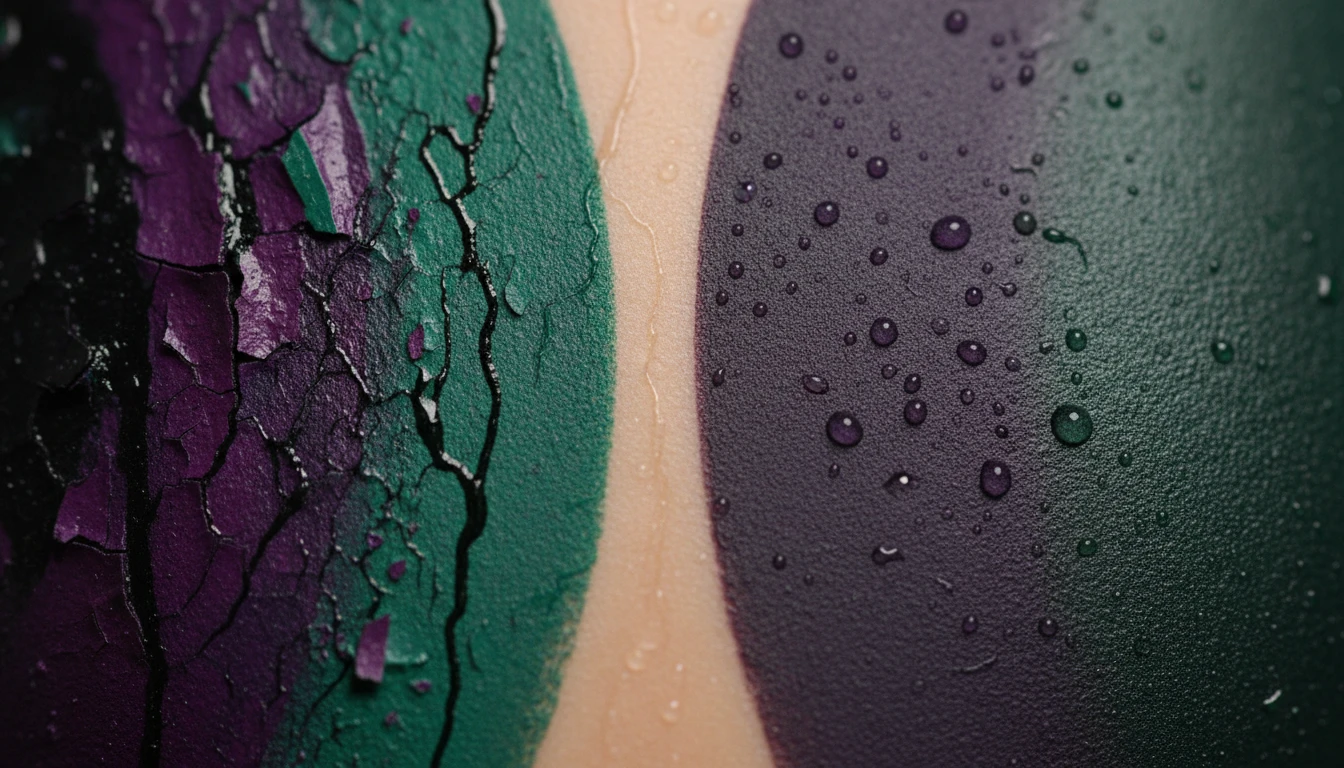
Nothing ruins a great costume faster than a melted face. Here, the type of product matters immensely. Traditional, cheap grease paints are notorious for smudging and transferring onto everything you touch. Water-activated face paints can also be vulnerable, prone to cracking with facial movements or running if you sweat. Cream makeup, especially when set properly with a translucent powder, offers a more durable, water-resistant finish that moves with your skin instead of settling into fine lines. For truly bulletproof wear, some pros even turn to alcohol-activated paints, which are sweat and waterproof. Winner: Cream Makeup (when set with powder), for reliable, smudge-resistant wear.
Round 4: Skin-Friendliness
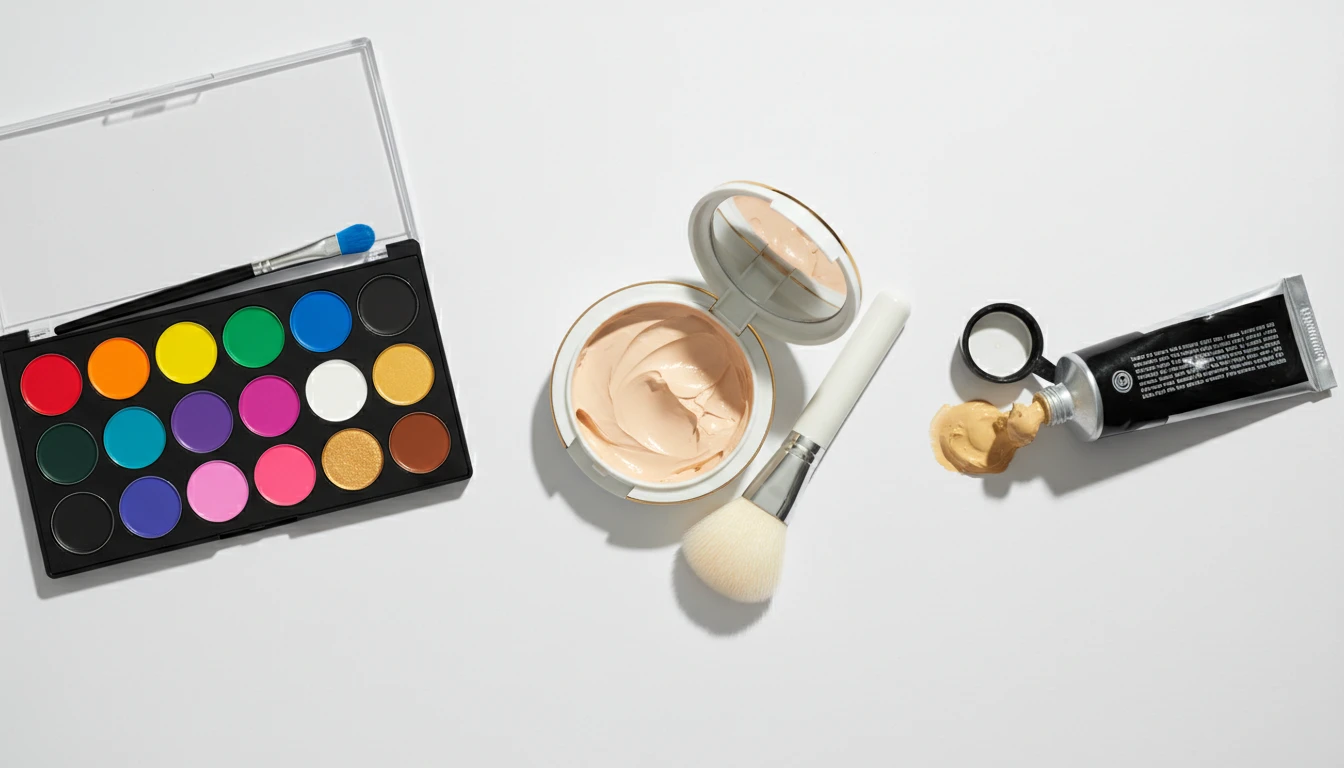
Covering your face in makeup for hours can be tough on your skin. Professional face paints are specifically formulated and tested for skin safety on large areas. However, cheaper, novelty grease paints can be heavy and may clog pores. Cream makeup often feels more comfortable on the skin and many formulas are non-comedogenic, meaning they are less likely to cause breakouts. If you have sensitive or acne-prone skin, a quality cream makeup might be the gentler choice. Always check the ingredients and, if possible, do a patch test on your arm before committing to a full-face application. Winner: A tie. It depends on the quality. A professional-grade face paint is safe, but a quality cream makeup often feels more comfortable.
Round 5: The Aftermath and Removal
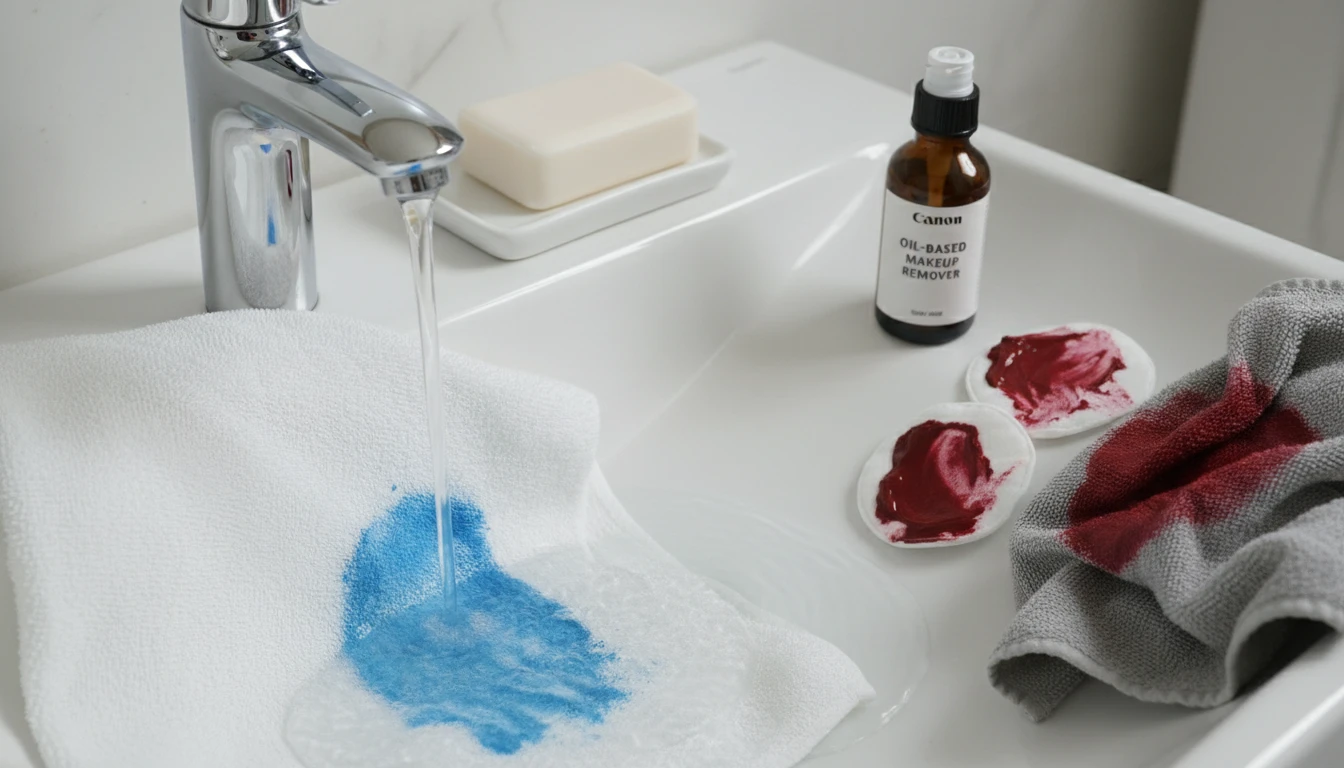
At the end of the night, the last thing you want is a 30-minute scrub session. Water-based face paints are the undisputed champion of easy removal; most formulas come off quickly with just soap and water. Cream and grease-based makeups are a different story. Because they are oil-based, they require an oil-based cleanser, cold cream, or a dedicated makeup remover to break them down before you can wash your face. While effective, it's a multi-step process that requires more patience. Winner: Face Paint, for its simple, no-fuss cleanup.