



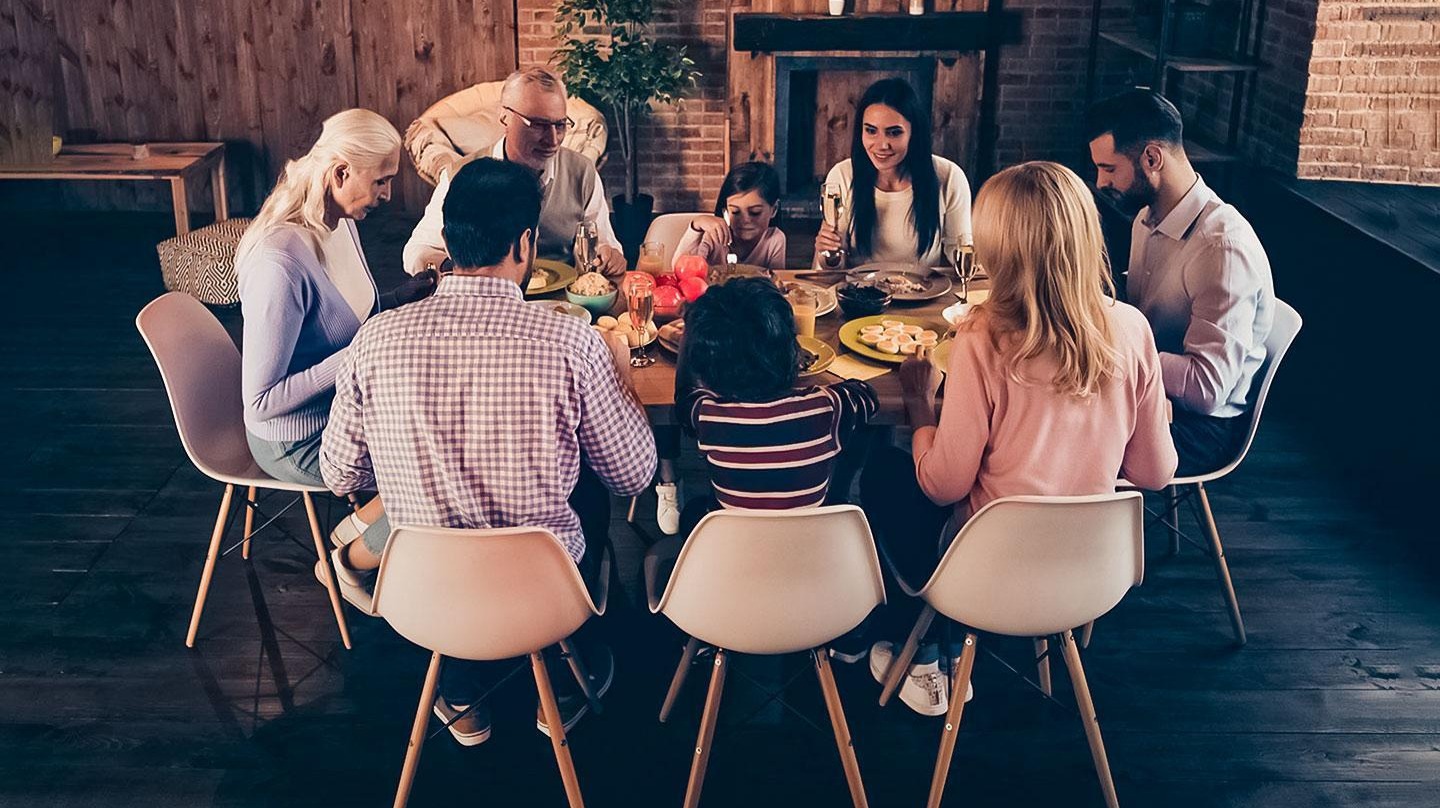
The holiday spirit is supposed to be about connection, but for many hosts, it feels like running a high-stakes production. If you are exhausted by the time the turkey hits the table, you might be doing too much.
The Myth of the Perfect Host
There is a pervasive, unspoken rule in American hosting: the host must be the engine that drives every single interaction. You are expected to be the DJ curating the perfect vibe, the referee managing the board game competition, the waiter clearing plates, and the concierge directing guests to the bathroom. While this might feel like you are being a 'good host,' it actually creates a barrier between you and your loved ones. When you are constantly in motion, you aren't actually present at the party you worked so hard to throw.
Finish the heavy lifting early
One of the
most effective ways to stop being a frantic multitasker is to change your timeline. Instead of trying to roast, sauté, and bake while guests are already hovering in your kitchen, aim to have the bulk of the cooking finished before the first doorbell rings. When the kitchen is no longer a chaotic zone of steam and sharp knives, you can actually step out of the 'chef' role and into the 'guest' role. A relaxed host sets a relaxed tone for the entire room.
The power of delegation
If you want to stop being the person who does everything, you have to learn to say yes when people offer to help. Most guests actually feel a sense of anxiety when they arrive and see a host rushing around; they want to feel useful. Instead of politely declining, give them a specific, manageable job. Ask a cousin to manage the drink station, a sibling to keep the appetizers flowing, or a teenager to handle the music playlist. Giving people a role doesn't just lighten your load; it makes them feel like part of the family gathering.
Set the scene for self-sufficiency
You can reduce the number of times people ask you where things are by setting the stage for independence. If the drinks are clearly laid out with glasses and ice, no one needs to ask you for a refill. If the board games are out on a side table, guests can gravitate toward them naturally without you needing to facilitate the fun. By creating 'stations' for food, drink, and entertainment, you allow the party to run on autopilot, freeing you to actually sit down and enjoy a conversation.