


From Uncanny to Ubiquitous
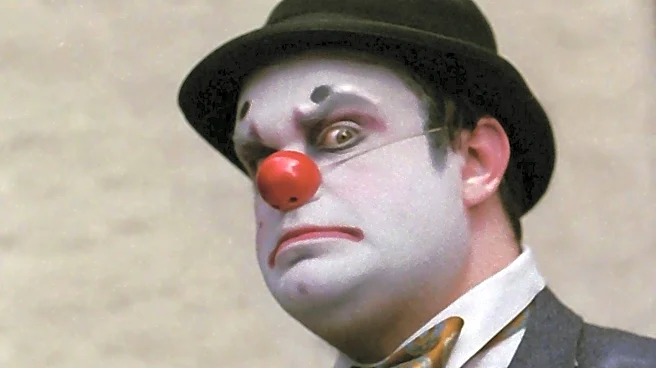
There was a time when a scary clown felt transgressive. The modern fear was cemented by real-life killer John Wayne Gacy and fictional horrors like Pennywise from Stephen King's 'It'. The archetype played on the 'uncanny valley'—a figure that looks almost human but is just off enough to be deeply unsettling. The hidden emotions behind the fixed makeup created a terrifying unpredictability. But what happens when the uncanny becomes commonplace? Today, 'sexy clown,' 'sad clown,' and 'gory clown' are standard-issue social media tutorials. What was once a disturbing subversion of childhood innocence has been diluted into a predictable aesthetic you can find in any drugstore Halloween aisle. The shock value is gone, replaced by a collective, exhausted
sigh.
The Joker and Pennywise Broke the Mold
You can largely thank two characters for the trend's recent peak and subsequent exhaustion: Pennywise and the Joker. The 2017 adaptation of 'It' and Joaquin Phoenix's 'Joker' in 2019 pushed the evil clown into the mainstream with unprecedented force. These weren't just horror figures; they were complex, tragic, and endlessly analyzed cultural phenomena. Their makeup designs became iconic. But their massive success had a fatal side effect: it made every other scary clown feel like a cheap imitation. Now, countless Halloween costumes are just watered-down versions of these specific looks, missing the narrative depth that made the originals so compelling. The makeup is copied, but the meaning is lost.
A Shortcut That Stifles Creativity
At its worst, clown makeup has become a creative crutch. It's an easy, recognizable shorthand for 'scary' that requires very little imagination. Instead of inventing a new monster or a clever concept, one can simply slap on some white face paint and call it a day. Even within the 'clown' category, variations like the 'broken doll' clown have become formulaic. The trend's persistence on platforms like TikTok, where Art the Clown from 'Terrifier' guarantees millions of views year after year, shows its power as reliable, 'evergreen' content. But evergreen can also mean stagnant. It discourages risk-taking and encourages costume-seekers to settle for the familiar rather than striving for something truly original and frightening.
The Subversion Is Gone
The original power of the evil clown came from its perversion of a symbol of joy. Clowns were supposed to be for children's parties and circuses; turning them into figures of dread was a genuinely shocking cultural move. But we've been living with that perversion for decades now. From 'Killer Klowns from Outer Space' in 1988 to today, the scary clown is no longer a subversion; it's the expectation. When a trope becomes this dominant, it loses its ability to provoke. It becomes part of the establishment it was meant to mock. The truly subversive act in 2026 isn't to be a scary clown—it's to be literally anything else.