



A Tradition Born from Commerce
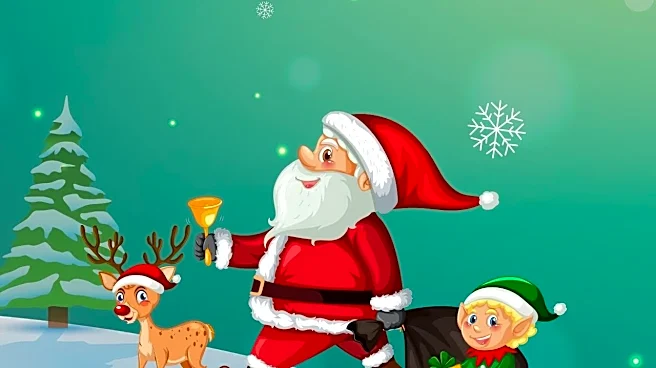
The now-iconic tradition dates back to the very first Macy's parade in 1924. Originally, it wasn't even called a Thanksgiving parade. It was the 'Macy's Christmas Parade', a clever marketing initiative to celebrate the expansion of its flagship store and officially kick off the holiday shopping season. The idea was simple but brilliant: create a public spectacle that culminates with Santa Claus arriving at the department store, signaling to the thousands of spectators that it was time to start their Christmas shopping. At the conclusion of the first parade, which featured Macy's employees and animals from the Central Park Zoo, Santa was dramatically enthroned on the store's marquee and crowned the 'King of the Kiddies'. A trumpet blast then
announced the unveiling of the store's magical Christmas window displays. The event was an immediate success, and a tradition was born.
An Unofficial Holiday Pact
While it began with Macy's, the practice of ending a Thanksgiving parade with Santa was quickly adopted by cities across the country. It created an unofficial but widely understood cultural agreement: the Thanksgiving festivities conclude, and with Santa's wave, the Christmas season officially begins. This unspoken rule served both a commercial and a cultural purpose. For retailers, it established a clear and exciting start to the most lucrative time of the year. For the public, it provided a joyous and definitive transition from one major holiday to the next. The parade itself was a hybrid of celebration and commerce, created by first-generation immigrant employees who wanted to blend European-style festivals with American holiday enthusiasm. Even after the name was changed to the Macy's Thanksgiving Day Parade in 1927, Santa's grand finale remained the anchor.
From Marketing to Magic
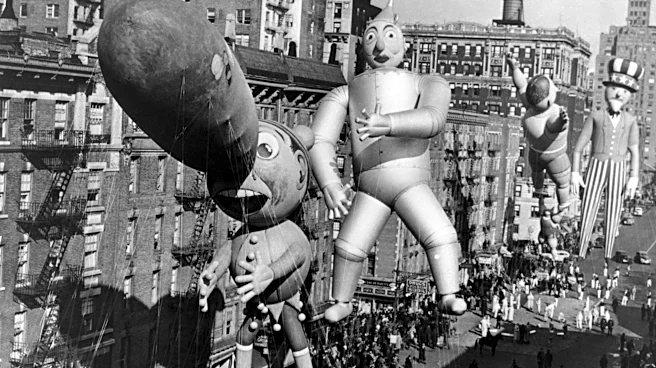
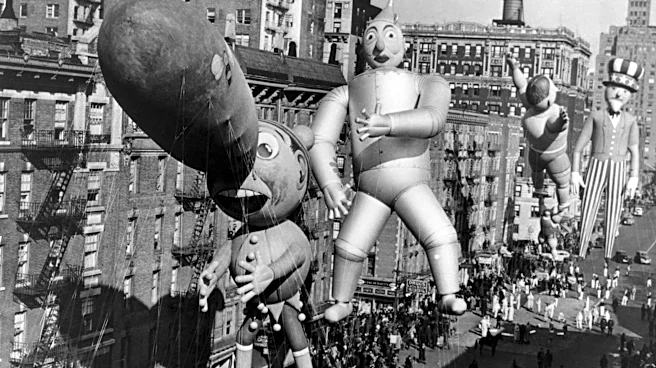
What started as a commercial strategy has evolved into a deeply cherished piece of Americana. For millions of families, watching the parade is a core part of their Thanksgiving ritual, and the sight of Santa's sleigh is the moment the holiday mood truly shifts. The parade itself has changed dramatically over the decades. The live animals, which sometimes frightened children, were replaced by giant character balloons in 1927, starting with Felix the Cat. But Santa's role has been the one constant. His appearance is no longer just about driving shoppers to a single store; it’s a shared cultural moment broadcast into homes nationwide since the late 1940s. It represents the official 'permission' to start playing Christmas music, decorating the tree, and embracing the festive spirit. The man in the red suit is, in this context, less a pitchman and more a grand marshal of the entire holiday season.
An Enduring Cultural Signal
The parade's conclusion is a powerful piece of cultural storytelling that has survived economic depressions, world wars (with a brief pause from 1942-1944), and vast societal changes. Santa’s presence is the final act of a Thanksgiving celebration and the prologue to Christmas. It’s a moment of built-up anticipation, intentionally placing the most important figure at the very end, much like a grand finale fireworks display. So when you see that sleigh gliding down the street after the last of the turkey-themed floats has passed, you're not just seeing a random celebrity guest. You are witnessing the continuation of a century-old tradition that was designed, from its very first day, to be the moment America officially turns its calendar to Christmas.