






The heavy lifting of the holidays often falls on a few shoulders, turning cherished customs into exhausting chores. Sometimes, the best way to save a tradition is to let it go.
The Weight of Tradition
We tend to think of traditions as the glue that holds families together, but for many, especially the women who have historically managed the household, those traditions can start to feel more like heavy lifting. Whether it is the pressure to host the entire extended family every single year or the obligation to perform a specific ritual that no longer resonates, the mental and physical load is real. When a tradition shifts from being a source of joy to a source of stress, it loses its primary purpose: connection.
When Hosting Becomes a Burden
One of the most common traditions to face burnout is the annual
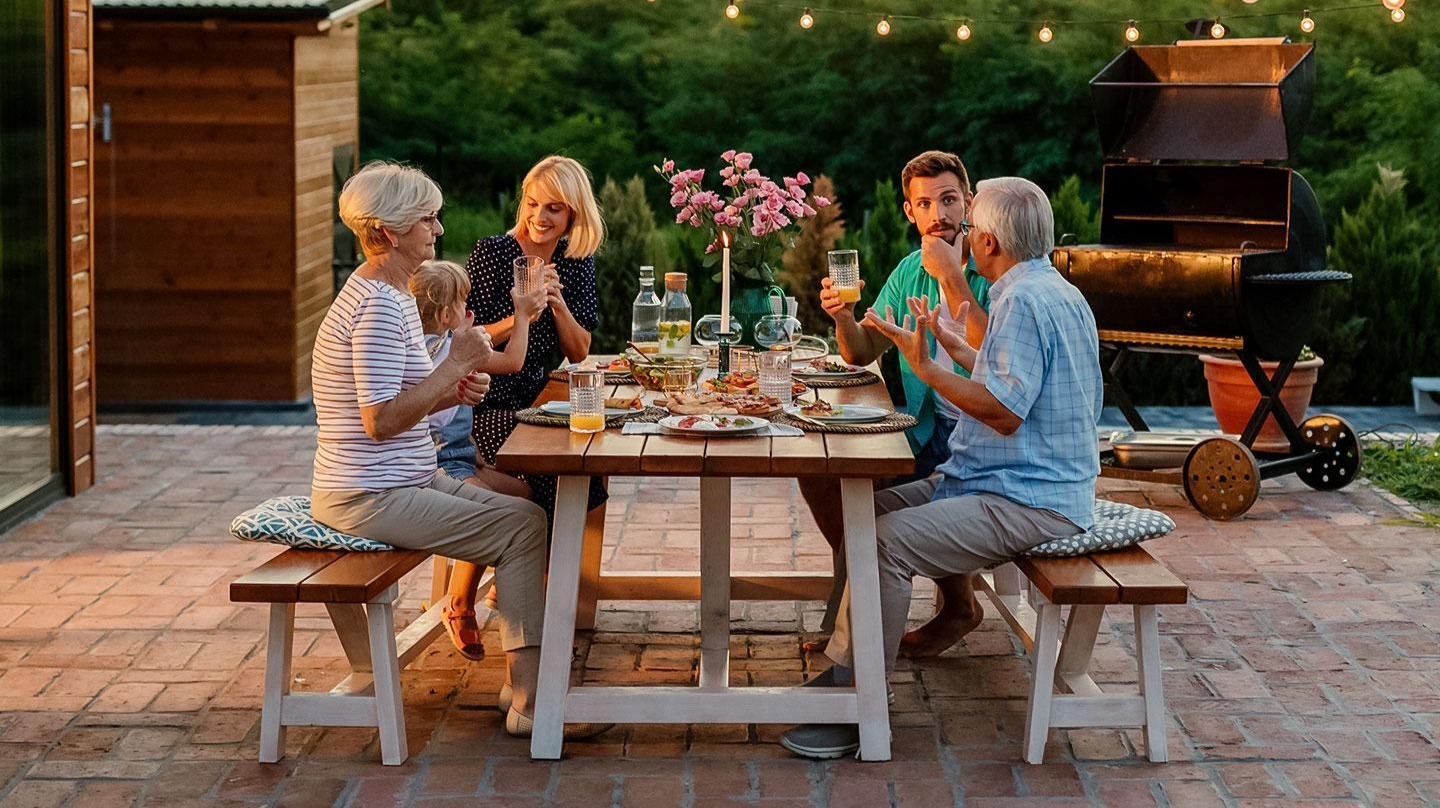
hosting duty. For decades, the expectation has often landed on a single person to provide the venue, the menu, and the cleanup. Data suggests this imbalance is significant; for instance, women in older age brackets often spend considerably more time on daily household chores than men of the same age. When you stack a massive holiday meal on top of that daily baseline, the math simply doesn't add up for a stress-free day. If the host needs days of recovery just to return to a normal routine, it might be time to rethink the format. Experts suggest rotating hosts or sharing the workload to ensure the gathering itself remains the priority, rather than the logistics of the oven.
Navigating Grief and Change
Traditions also change in ways we cannot control, particularly when we face the loss of a loved one. The first Thanksgiving without a partner or a family pillar can make old rituals feel painful rather than comforting. In these moments, the tradition of 'doing things the way we always have' can clash with the reality of grief. It is important to remember that you have permission to pivot. Whether it means changing the location of the meal, ordering food to reduce the labor, or simply skipping a specific ritual that feels too heavy, honoring a memory does not require repeating a specific set of actions. You can keep one small thing that feels like them while letting the rest of the old structure fall away.
The Art of the Gentle Hand-Off
Retiring a tradition doesn't have to mean ending the celebration. It often just means evolving it. This can look like a 'hand-off,' where the younger generation takes over the cooking, or a 'simplification,' where the focus shifts from a ten-course meal to a simple gathering. If a specific activity, like a massive trivia game or a complex carving ritual, has become a source of tension or boredom, there is no rule saying it must persist. The goal of the holiday is to find and establish family connections. If the tradition is getting in the way of that connection, it is serving the opposite of its intended purpose.