






You have the curated jazz playlist ready and the turkey is resting perfectly, but there is a growing sense of tension. The room feels tight, the table is crowded, and nobody is actually talking.
The Illusion of Atmosphere
We often fall into the trap of thinking that holiday ambiance is something you can simply layer on top of a room. We buy the expensive candles, curate the perfect acoustic folk playlist, and dim the lights, hoping these sensory additions will mask the fact that we have squeezed twelve people into a dining nook designed for four. But atmosphere is more than just sound and scent; it is about flow and physical comfort. If your guests are bumping elbows or struggling to find a place to set their wine glass, even the most soulful playlist will fail to mask the underlying
stress of a cramped environment.
Mastering the Table Layout
The dining table is the heart of the holiday, but in smaller homes, it is often the primary source of friction. To keep the conversation flowing, you need to prioritize physical space over sheer numbers. A good rule of thumb is to ensure every guest has at least twenty-four inches of elbow room. If you are working with a tight footprint, consider the utility of a drop-leaf table. These pieces are versatile enough to seat a larger group for the main event and then fold down into a slim console the next morning, freeing up the floor plan for post-dinner lounging. When setting the table, try to pull it a few inches away from the wall to prevent that claustrophobic feeling of being pinned against a surface.
Decor That Doesn't Block the View
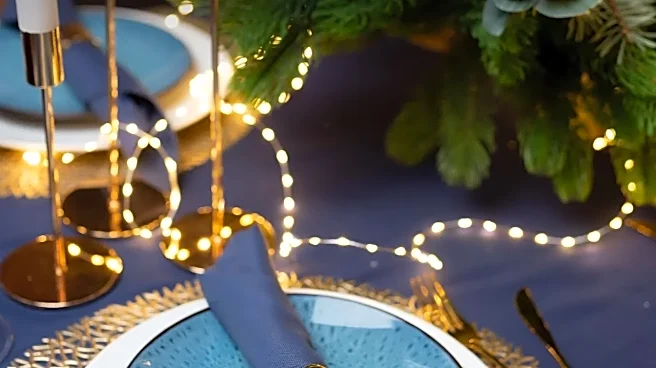
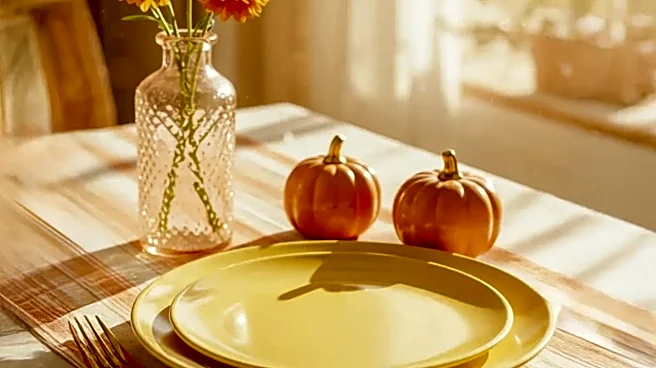
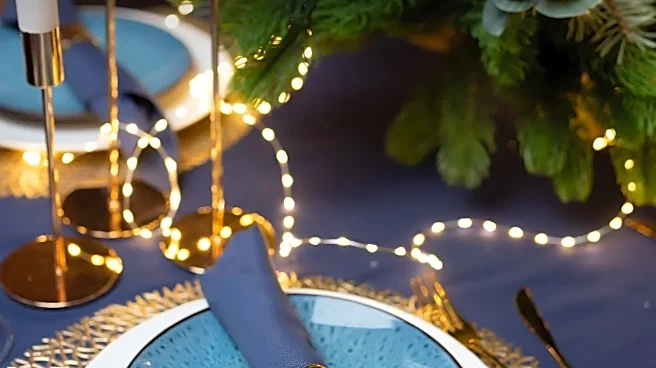
One of the most common mistakes in holiday decorating is the 'towering centerpiece.' While a massive arrangement of dried corn husks and towering branches might look stunning on Instagram, it is a conversational killer in real life. When guests have to lean around a three-foot-tall floral arrangement just to ask for the salt, the social energy of the meal dies. Instead, aim for low-profile decor. Keeping centerpieces under twelve inches allows for clear sightlines across the table. Using a long, low wooden dough bowl filled with mini pumpkins or a series of small bud vases creates a harvest aesthetic without creating a visual wall between guests. This keeps the focus where it belongs: on the people sitting across from you.
Timing the Chaos
Beyond the physical layout, the timing of your hosting can dictate the mood of the room. There is a specific kind of social anxiety that occurs when guests are settled with drinks in hand while the host is still frantically wrestling with a hot oven in the next room. To prevent the dinner from feeling hectic, aim to finish the heavy lifting of cooking before the first guest arrives. When the kitchen is closed and the prep is done, you transition from a frantic cook to a relaxed host. This shift in energy is what actually allows guests to settle in, relax, and engage in the long, meandering conversations that make Thanksgiving memorable.