



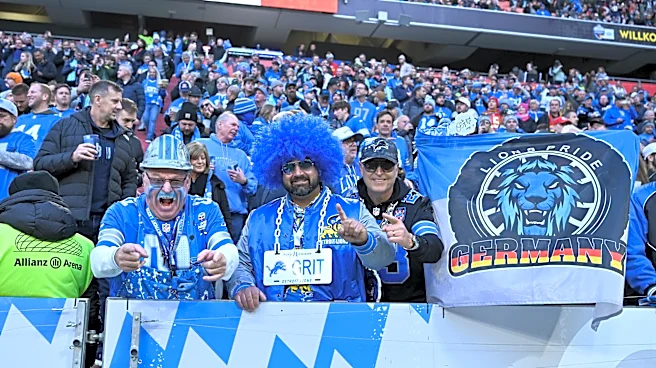
Before the turkey is carved or the first slice of pie is cut, a silent battle for territory takes place in living rooms across America. It’s a subtle, unspoken negotiation that determines the social map of the day: the Thanksgiving seating chart.
The TV's Unspoken Power
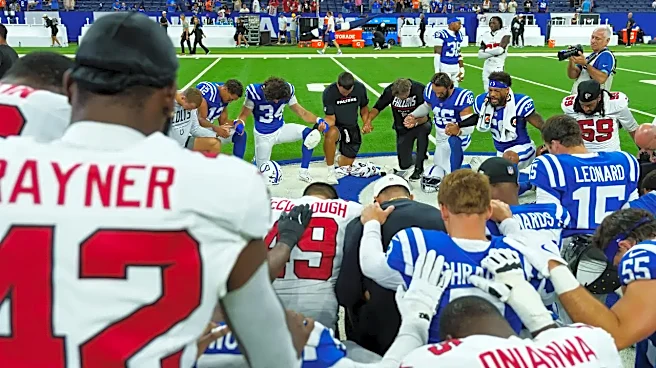
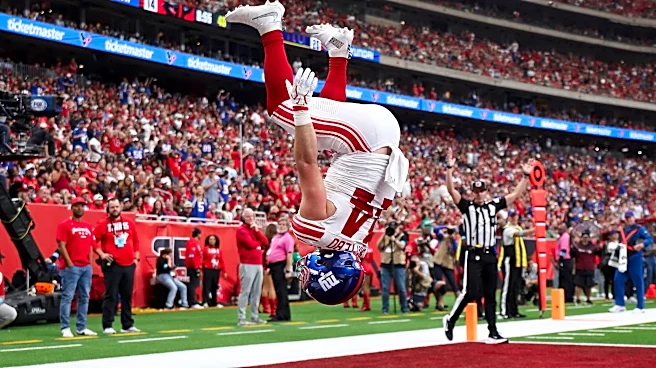
Forget the dining table for a moment; the day's first and most important seating chart is arranged around the television. This isn't a new phenomenon. The tradition of Thanksgiving football is deeply woven into the American fabric, dating back to college rivalries in the 1870s and cemented when the Detroit Lions began their annual broadcast in 1934. What started as a marketing ploy to get more eyes on a fledgling league has become a non-negotiable part of the holiday schedule. The game acts as a gravitational
force, a cultural anchor that pulls the entire household into its orbit. The kickoff time dictates the dinner schedule, and the TV's location dictates the flow of people, creating a geography of fandom and indifference that every family, consciously or not, must navigate.
Zone 1: The Shrine of the Superfan
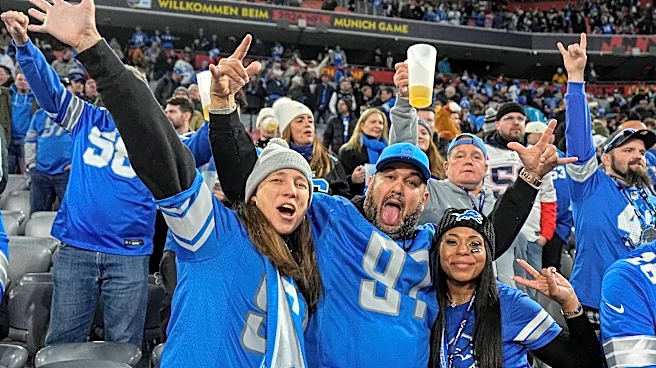
Closest to the screen is the inner sanctum, a sacred space reserved for the true believers. These are the prime viewing seats, the recliners and couch corners with unobstructed sightlines. Here sit the family members wearing jerseys, tracking fantasy stats on their phones, and providing unsolicited commentary on every play. They are the keepers of the remote, the guardians of the volume, and the first to shush any conversation that dares to rise above the commentators' chatter. This zone is a bubble of high stakes and emotional investment. Entry is not for the faint of heart; to claim a spot here, you must be fluent in first downs and field goals. Casual questions like 'Who's winning?' are met with a withering stare. This is not just watching a game; it is a deeply serious ritual.
Zone 2: The Conversational Periphery
Just beyond the intense focus of the front row lies the second ring: the periphery. These seats offer a compromised view but are close enough to catch the big moments. This is the domain of the casual fan and the social observer. They might have a team they’re loosely rooting for, but their primary allegiance is to the snack table and the conversation. People in this zone are adept at multitasking, capable of discussing a cousin’s new job while keeping one eye on the screen for a replay. This area serves as a social buffer, a place where the energy from the game can coexist with the general holiday chatter. It’s a land of compromise, where you can dip a toe into the football frenzy without having to fully commit.
Zone 3: The Football-Free Sanctuary
For every action, there is an equal and opposite reaction. And for every living room packed with football fans, there is a designated football-free zone. Most often, this is the kitchen. Here, the sounds of the game are replaced by the clatter of pots and pans and the flow of uninterrupted conversation. It’s a sanctuary for those who are indifferent, or even hostile, to the day's sporting events. The kitchen crew operates on a different clock, one governed by oven timers and resting turkeys, not the game clock. This space isn’t anti-social; it’s differently social. It’s where different kinds of bonds are formed, away from the masculine-coded energy of the game, over shared tasks and quieter stories.
The Roving Ambassadors
Finally, there are the diplomats, the people who spend the day moving between these distinct zones. Often, this is the host or hostess, tasked with refilling drinks in the 'shrine', delivering appetizers to the 'periphery', and coordinating with the 'sanctuary' in the kitchen. They are the social glue, the roving ambassadors ensuring that these separate ecosystems feel like a single, cohesive family gathering. They translate information—'Dinner in 20 minutes!'—and ferry people from one area to another. This role is crucial, bridging the gaps created by the powerful pull of the television and reminding everyone that, despite the very different ways they're spending the afternoon, they are all there for the same reason.