



1. The Host Controls the Remote (and the Game)
The old law was simple: your house, your remote, your game. If the host was a die-hard Lions fan, everyone was watching the Lions, no questions asked. This benevolent dictatorship maintained order and prevented turf wars over the living room television. But that centralized power has been completely decentralized. Today, nearly everyone has a supercomputer in their pocket. Guests can stream a different game on a tablet in the kitchen, keep up with a rival on their phone, or even cast a second game to another TV in the den. The main screen might still show the 'official' game, but its monopoly on our attention is long gone.
2. Phones Away, Eyes on the Screen
There was a time when pulling out a phone during a crucial third down was grounds for immediate dismissal from the couch.
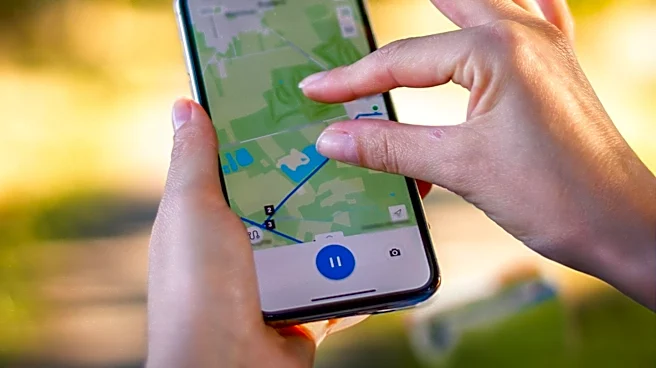
The game demanded your full, undivided attention. Today, that rule is not only obsolete, it's completely backward. The second screen is now an essential part of the viewing experience. Fans are checking fantasy football stats, engaging in live commentary on social media, looking up player analytics, and even placing bets in real-time. The phone isn't a distraction from the game; for many, it's a tool that enhances their engagement with it.
3. You Must Watch the Entire Game, Commercials and All
Before streaming and DVR, watching a live game meant you were a captive audience. You watched the plays, the penalties, the punts, and every single commercial break and halftime show in between. There was no other choice. Now, the idea of watching a full game without interruption seems almost quaint. Younger viewers, in particular, often prefer to consume sports through highlights and recaps. The modern fan experience is more about catching the key moments than sitting through the entire three-hour broadcast. People are multitasking, and a lull in the game is the perfect time to grab another slice of pie, not watch another car commercial.
4. The 'Serious' Fan’s Opinion Matters Most
In every family, there was a self-appointed expert—the one who could break down a cover two defense and explain why the refs were blowing it. Their voice often dominated, turning the living room into a classroom for the casuals. While expertise is still appreciated, the culture has shifted. Thanksgiving football is increasingly seen as a communal, social backdrop rather than a high-stakes viewing session. It’s perfectly acceptable to be more interested in the snacks and the company than the specifics of a holding penalty. In fact, many families now organize one-day fantasy leagues specifically for Thanksgiving, a format designed to be fun and accessible even for those who don't follow football closely.
5. No Spoilers from Other Games
If you were recording the afternoon game to watch after dinner, woe betide the cousin who blurted out the final score. Keeping game results under wraps was a matter of common courtesy. In today's hyper-connected world, that's a losing battle. Push notifications, fantasy alerts, and social media feeds make it nearly impossible to avoid spoilers. The culture has adapted accordingly. The expectation is no longer to avoid all information, but simply to accept that in 2026, you're going to know who won the other games, probably within seconds of the clock running out.
6. The Living Room Is the Official Viewing Zone
The game was on the big television in the main room, and that's where you watched it. Simple as that. This created a single, sometimes crowded, focal point for the day's entertainment. But with Wi-Fi and the proliferation of streaming services, the game is now portable. Someone can be watching on a laptop while prepping dessert in the kitchen, another can have it on a tablet on the porch, and a third can be getting live updates on a smartwatch. The 'stadium' is no longer a single room but the entire house and its digital extensions.
7. The Game Ends, and That's It
Once the final whistle blew, the sports portion of the day was over. Maybe there was a brief post-game show, but attention quickly turned back to dessert and leftovers. That's no longer the case. The conversation now continues online long after the game ends. Fans dissect plays in group chats, watch player interviews on social media, and consume countless post-game analysis videos. The event itself might be over, but the engagement around it extends for hours, fueled by a digital ecosystem that simply didn't exist a generation ago.