



A Store's Humble Holiday Kickoff
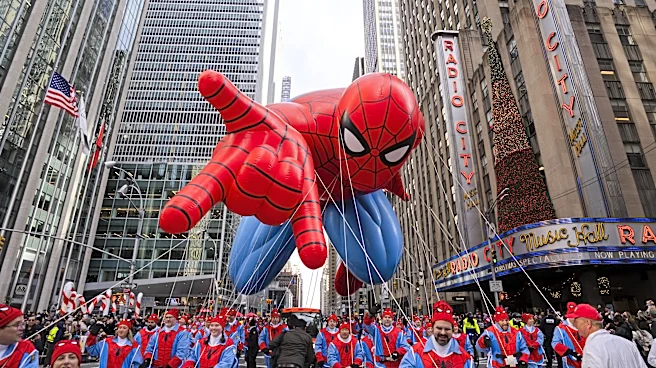
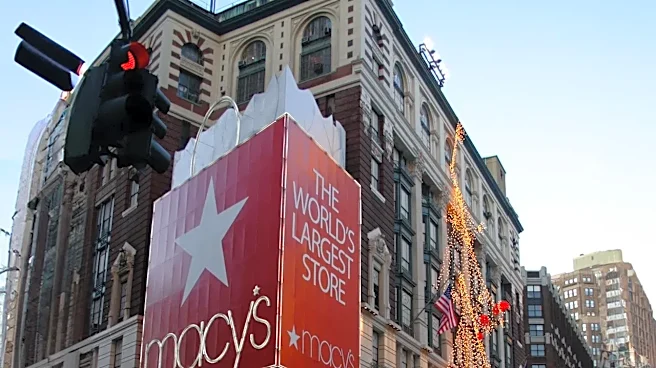
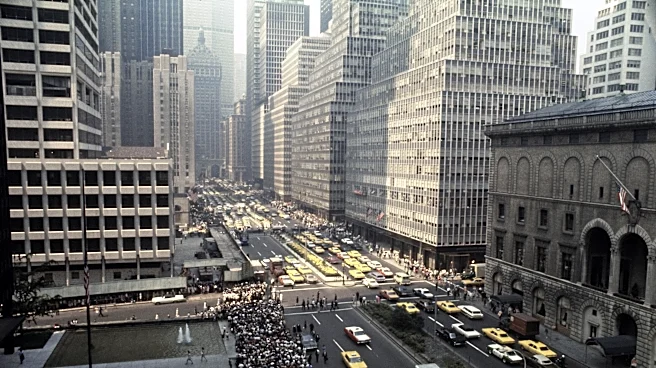
The tradition began in 1924, but it wasn't initially a Thanksgiving parade. It was the 'Macy's Christmas Parade,' a clever marketing event to celebrate the expansion of its Herald Square store and officially launch the holiday shopping season. Many Macy's employees at the time were first-generation European immigrants who wanted to combine an American holiday with the festive street carnivals of their homelands. The first parade featured employees in costume, marching bands, floats, and live animals borrowed from the Central Park Zoo, creating a spectacle that drew an estimated quarter-million New Yorkers. The finale was the arrival of Santa Claus, who unveiled the store's elaborate Christmas window displays.
The Age of Giants Begins
The live zoo animals were a popular
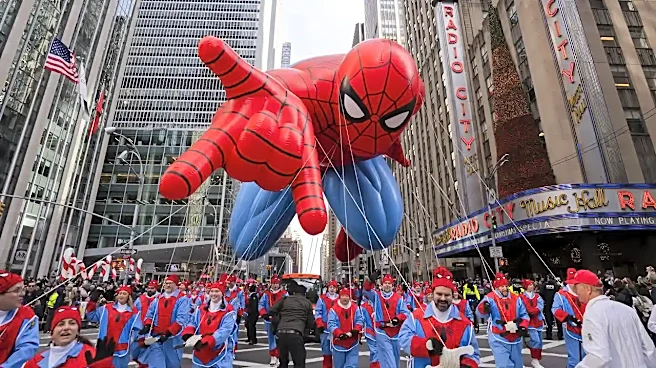
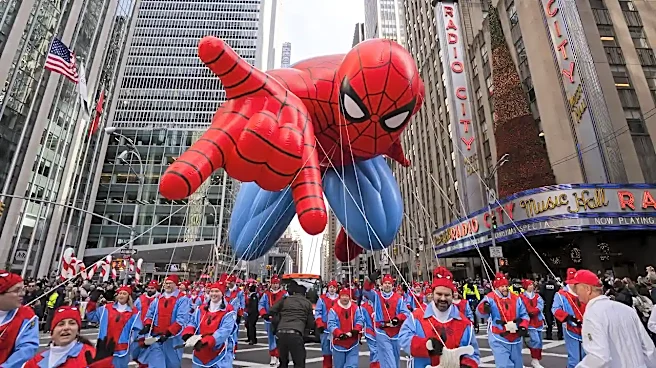
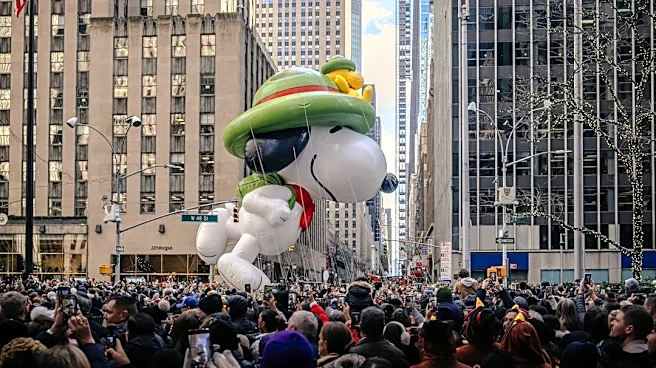
but sometimes frightening feature for young children. By 1927, the parade's artistic director, a puppeteer and designer named Tony Sarg, devised a groundbreaking solution: enormous, air-filled balloons. The first character to float in the parade was Felix the Cat. These 'upside-down marionettes', as Sarg called them, were an immediate sensation. A year later, the balloons were filled with helium, allowing them to float without being propped up by handlers. For a few years, the parade ended by releasing the balloons into the sky, with a cash reward offered for their return, a practice that was discontinued in 1932 after a pilot nearly crashed trying to capture one.
From Sidewalk to Living Room
The parade's audience grew beyond New York City's sidewalks first through radio, with broadcasts beginning in the early 1930s. But the true transformation came with television. While an experimental local broadcast aired in 1939, the event went national after World War II. The 1947 film 'Miracle on 34th Street,' which featured footage from the 1946 parade, cemented its place in the American imagination. In 1948, the parade was broadcast nationally for the first time, allowing families across the country to experience the magic from their homes. NBC became the official national broadcaster in the early 1950s, a partnership that continues to this day.
A National Tradition Solidified
Television turned the parade from a spectator event into a shared national ritual. It became the unofficial kickoff to the holiday season for millions, a multi-hour variety show of balloons, floats, marching bands, and celebrity performers. The broadcast brought the spectacle to those who could never travel to see it in person, creating a consistent, unifying experience on Thanksgiving morning. What started as a six-mile march through upper Manhattan to promote a department store had, with the help of technology and a few beloved balloons, woven itself into the fabric of an American holiday. It evolved from a marketing tactic into a cherished piece of cultural heritage, passed down through generations.