



We Are Missing Our Own Family Dinners
The most obvious but overlooked fact is that for every fan enjoying the game, there's a worker who isn't with their family. While you’re cheering with your cousins, they're scanning tickets or pouring sodas, missing out on turkey dinners, family arguments, and post-meal naps. Many workers volunteer for these shifts, but for others, it's mandatory. It's a trade-off they make, sacrificing a personal holiday so that thousands of others can celebrate. A little empathy goes a long way when you remember the person serving your hot dog is missing the same traditions you're there to enjoy.
Holiday Pay Is Not a Guarantee
Fans often assume that working on a major holiday comes with a big financial reward, like time-and-a-half or even triple-time pay. While some companies or union contracts
do provide this, it's far from universal. Many stadium workers, especially those employed by third-party contractors for concessions or security, might only receive their standard hourly wage. In some cases, taking the day off isn't an option without risking their job. So, while the work might seem festive, the paycheck at the end of the day often doesn't reflect the holiday sacrifice.
Your 'Good Mood' Can Be a Bad Look
Holiday crowds can be cheerful, but they can also be demanding and entitled. Workers report that some fans, amped up on holiday spirits, treat staff with less patience and respect. Spills are more frequent, messes are bigger, and tempers can be shorter, especially when alcohol is involved. Workers are there to ensure a safe and smooth experience, but they aren't part of the scenery. They are people doing a high-pressure job, and a simple 'please' and 'thank you' can make a significant difference in a long, chaotic shift.
Our Day Starts Hours Before Kickoff and Ends Long After
A fan's game day might last four hours, but a worker's day is much longer. Staff often need to arrive hours before the gates open for briefings, setup, and security checks. The real work for cleaning crews begins after the last fan has left, tackling a mountain of trash that can take until the early morning hours to clear. For many, getting home is another challenge. Public transit often stops running long before their shift ends, making a long day even longer and more complicated.
We're Not All Football Superfans
While working at a stadium might seem like a dream job for a sports fan, many employees are there simply because it's a job. They may not know the quarterback's stats or the significance of a particular play. For them, it's about earning a living, not getting a free view of the game. For some, it's a way to avoid being alone on a holiday, but for most, it's a financial necessity. They are focused on safety, service, and logistics—the complex machinery that makes the event run smoothly for the thousands of attendees.
The Post-Game Cleanup Is Unimaginably Huge
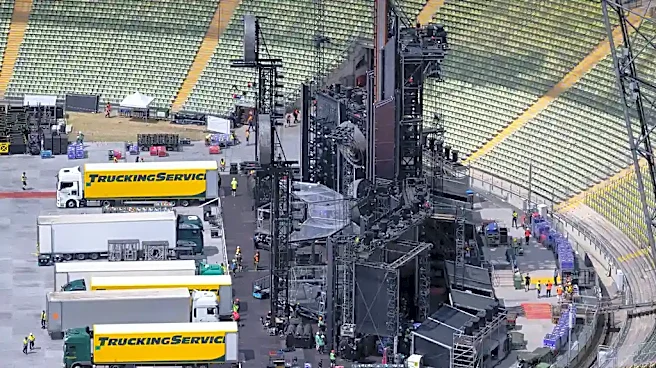
If you think your kitchen is a mess after Thanksgiving dinner, imagine a stadium that just hosted 70,000 people. The post-game cleanup is a monumental task performed by a dedicated but often unseen crew. They deal with everything from sticky soda spills and mountains of popcorn boxes to overflowing restrooms. This work starts as fans are heading home and continues late into the night. It's a physically demanding job that’s crucial for getting the venue ready for the next event, and it’s one of the least glamorous parts of working a holiday game.
A Little Kindness Is the Best Tip
More than anything, stadium workers want to feel seen and appreciated. On a day centered around gratitude, a moment of kindness can change the entire tone of their shift. Making eye contact, saying 'Happy Thanksgiving,' and showing patience when lines are long are small gestures that have a huge impact. While the players on the field are the main event, the game literally couldn't happen without the hundreds or thousands of people working behind the scenes. Remembering that can make the holiday better for everyone involved.