


A Tradition Born in the Roaring Twenties
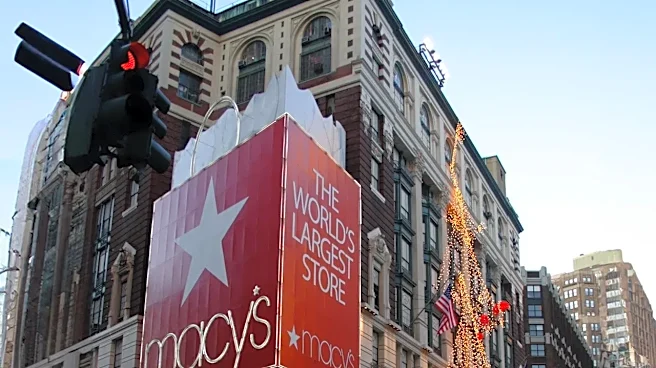
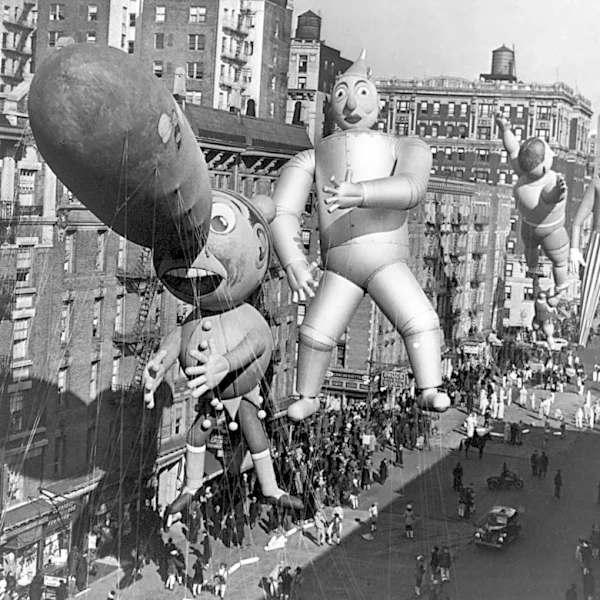
The parade began in 1924, not as a Thanksgiving event, but as the 'Macy's Christmas Parade'. Conceived by Macy's employees, many of them first-generation immigrants, it was a way to generate holiday buzz and featured live animals from the Central Park Zoo. The spectacle was an immediate hit, and by 1927, the signature giant balloons made their debut, with Felix the Cat leading the way. The event was paused only for three years during World War II, making the 2026 march its 100th edition. Its national fame was cemented by the 1947 film 'Miracle on 34th Street', which featured footage from the 1946 parade. By 1953, NBC began its national broadcast, turning a New York City spectacle into a coast-to-coast American tradition.
The Last Bastion of Monoculture
In the 21st century,
the idea of a 'monoculture'—a shared set of cultural experiences for everyone—has all but vanished. The era when tens of millions of people reliably watched the same shows, like the 'Seinfeld' finale, has been replaced by a splintered landscape of niche streaming services and personalized algorithms. Major TV events, from the Oscars to the Emmys, have seen their viewership decline as audiences scatter. Yet the Macy's parade defies this trend. Last year, the 99th parade drew a record 34.3 million viewers across NBC and Peacock, an 8% increase from the prior year and the most-watched entertainment telecast in nearly seven years. While other cultural landmarks fade into niche fandoms, the parade remains one of the few events, alongside the Super Bowl, that a huge, diverse cross-section of America still watches together, at the same time.
An Adaptable, Low-Stakes Ritual
So, why does the parade endure? Part of its strength lies in its simplicity and adaptability. It’s a low-stakes, comforting ritual. Unlike a divisive political debate or a complex prestige drama, the parade asks for nothing but passive enjoyment. It’s the visual equivalent of background holiday music, a warm and familiar signal that the season has begun. It’s also evolved with the times. The parade now streams on Peacock, meeting younger viewers where they are—a key reason viewership among those under 25 saw a significant 20% boost last year. This blend of tradition and modern accessibility allows it to function as a bridge between generations, a rare piece of media that a child, a parent, and a grandparent can all watch simultaneously with shared understanding.
More Than Just Floats and Balloons
Ultimately, the parade’s persistence says less about the quality of its floats and more about a fundamental human need. In an overwhelmingly fractured world, people still crave connection and shared reference points. The parade isn't just something to watch; it’s an experience to have. For millions, it’s woven into the fabric of Thanksgiving itself—the smell of turkey in the oven, the sound of the announcers on TV, the first glimpse of Santa Claus marking the 'official' start of Christmas. It’s a tradition that requires no deep analysis or cultural literacy. You just have to turn it on. That simplicity is its superpower. It provides a sense of community and normalcy in a media environment that often feels chaotic and overwhelming.