





The Holiday's Great Peacemaker
Let’s be honest: extended family time, while cherished, can be a minefield. The generational gaps in politics, music, and what constitutes 'appropriate dinner conversation' have never felt wider. Just as the small talk runs dry and someone prepares to launch into a well-rehearsed tirade, the glow of the television offers a silent, collective off-ramp. The late afternoon NFL game, traditionally hosted by the Dallas Cowboys since 1966, serves as the perfect cultural buffer. For three glorious hours, contentious topics are replaced by a set of downs. According to experts, sports provide a safe space for engagement where other topics might feel divisive. Suddenly, Grandpa, your Gen Z cousin, and your brother-in-law all have a common, low-stakes
language. They can debate a questionable penalty, celebrate a touchdown, or collectively groan at an interception. It’s a form of connection that requires no shared ideology, only a shared screen.
A Perfectly Timed Intermission
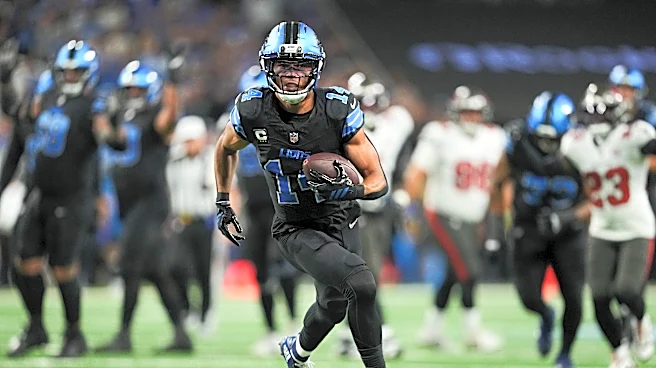
The 4:30 p.m. ET kickoff is a stroke of scheduling genius. The early game, hosted by the Detroit Lions, often serves as background noise during dinner preparations. But the late afternoon contest arrives at a precise moment of need. The feast is over. The pressure to make conversation has peaked and is beginning to wane. A food-induced lethargy descends upon the living room. This is the afternoon lull, a social vacuum that the game fills perfectly. It provides structure to an otherwise aimless part of the day, giving everyone permission to simply relax in each other's company without the need for constant interaction. It’s a shared, passive activity that allows for both quiet recuperation and sporadic bursts of excitement, creating a comfortable rhythm for the rest of the evening.
More Than Just a Game
The tradition of football on Thanksgiving is deeply woven into the American fabric, dating back to college games in the 1870s. The NFL joined the party in its earliest days, with the Lions formalizing the tradition in 1934 as a marketing move to get attention in a baseball-mad city. The Cowboys followed suit in the '60s for similar reasons, hoping to build a national profile. What began as a commercial ploy has evolved into a genuine cultural ritual. For many, the game isn't even about the sport itself. It's about the ritual: the choosing of sides (often with no real allegiance), the halftime show analysis, and the simple act of gathering. It’s a tradition that becomes part of a family’s identity, a memory-making machine that connects generations through shared experience.
The Unspoken Social Contract
Ultimately, the 4:30 game represents an unspoken social contract. It’s the moment everyone agrees to give each other a break. A break from performing the role of the perfect host or the engaged guest. A break from navigating difficult family dynamics. A break from the sheer exhaustion of the holiday. By turning on the TV, the family collectively agrees to lower the social stakes. The living room transforms from a stage into a comfortable, communal space. The game's broadcast provides a steady, unobtrusive presence, allowing for naps on the couch, quiet side conversations, and the simple, peaceful coexistence of people who, despite their differences, have come together to share a day. It’s a shared silence that can be more meaningful than forced conversation, a moment of unity in a world that often feels fractured.