





The Real Point of the Trot
Let’s get one thing straight: the Turkey Trot is a community festival first and a race second. Tracing its roots back to 1896 in Buffalo, New York, the tradition started with just six runners and has since evolved into America's single biggest day for organized races. Today, these events are famous for their festive, inclusive atmosphere, attracting millions of participants of all ages and fitness levels, many in silly costumes. The goal for most isn't a personal best; it's about starting a day of gratitude with movement, family, and community fun. Organizers welcome walkers with open arms, and at many large events, a significant number of participants choose to walk the entire 3.1-mile distance. So, if you’re worried about being the only one not
running, don't be. You’ll be in very good company.
Your Body on a Brisk Walk
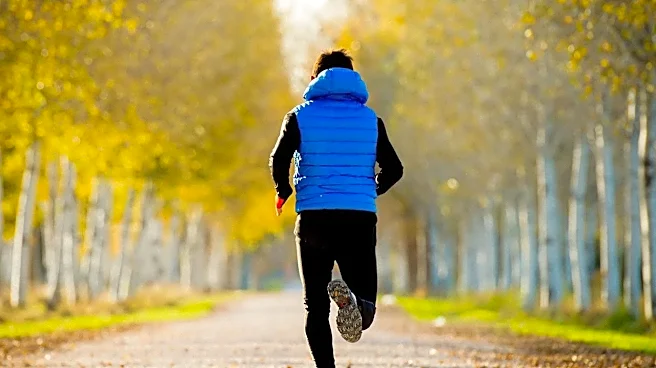
Choosing to walk isn't 'cheating' your health goals; it’s simply choosing a different kind of workout with its own powerful benefits. Walking is a low-impact exercise, which means it’s much gentler on your joints—including your knees, hips, and ankles—than running. While running involves forces of up to 2.5 times your body weight with every stride, walking keeps that impact to a much more manageable 1.2 times, drastically reducing the risk of common injuries like stress fractures and shin splints. In fact, some studies show walkers have a significantly lower risk of injury compared to runners. But 'low-impact' doesn't mean 'low-benefit'. A brisk walk elevates your heart rate, improving cardiovascular health. Research has shown that consistent, moderate walking can produce similar risk reductions for high blood pressure, high cholesterol, and diabetes when compared to running. And what about the calorie burn? While running burns more calories per minute, the difference over a 5K (3.1 miles) might be smaller than you think. Moving your body over a set distance requires a similar amount of baseline energy. A 150-pound person walking three miles will burn roughly 255-290 calories, a significant number that contributes to a healthy holiday.
A Boost for Your Brain, Too
The benefits of lacing up your sneakers on Thanksgiving morning go far beyond the physical. Exercise, including walking, is a proven mood booster. It increases blood flow to the brain and triggers the release of feel-good neurotransmitters like endorphins, which can help calm your nerves and reduce stress—a welcome effect before a day of family gatherings and logistical acrobatics. Studies show that even a single session of walking can improve your mood and reduce feelings of anxiety and depression. Participating in a community event like a Turkey Trot amplifies these effects. It fosters a sense of connection and shared experience, combating loneliness and strengthening social bonds. Starting your Thanksgiving with this kind of positive, active event sets a healthy and mindful tone for the entire day, framing it around wellness and community before the focus shifts to food and football.
How to Have Your Best Trot
Ready to embrace the walk? A few simple strategies can make the experience even better. First, if you're new to this distance, it's wise to do a few 30-minute walks in the weeks leading up to the event to get your body accustomed to the duration. On race day, dress in layers you can easily shed as you warm up. At the starting line, it's common etiquette for walkers and those with strollers to line up toward the back to allow faster runners a clear path. Focus on a brisk, purposeful pace where you can still hold a conversation. Most importantly, soak in the atmosphere. Enjoy the funny costumes, cheer on other participants, and celebrate the fact that you’re moving your body and taking part in a fun, healthy tradition. The finish line feels just as good at a walking pace.