

An Institution Built on Two Pillars
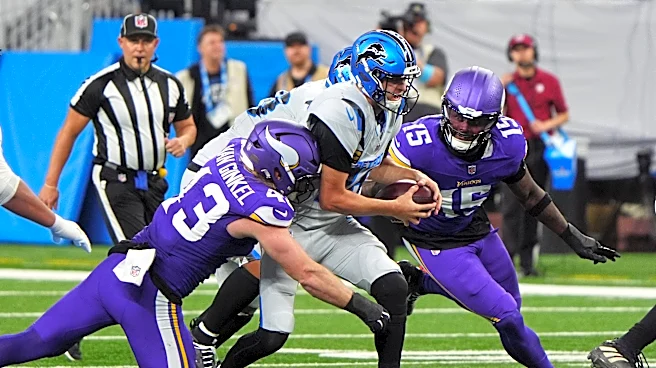
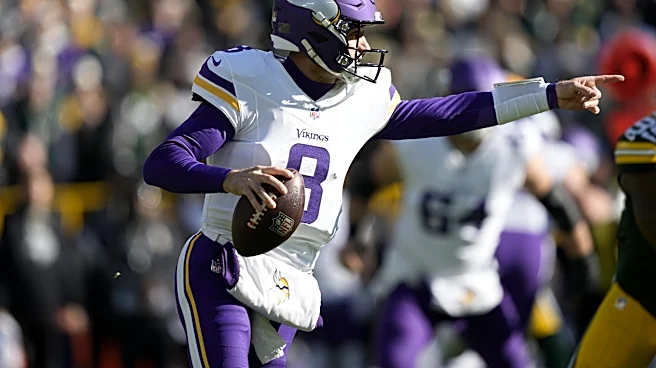
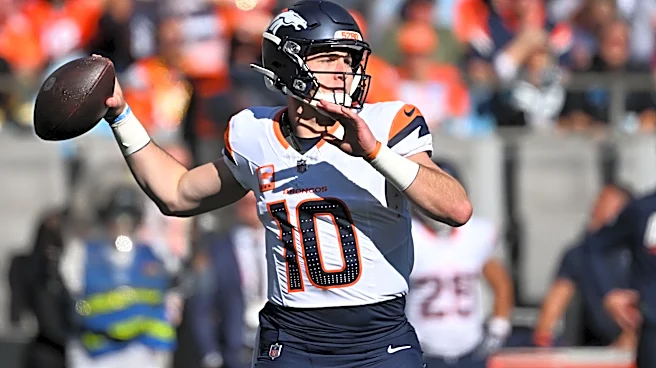
The rhythm of Thanksgiving football was etched into the American consciousness. The Detroit Lions have hosted a game almost every year since 1934, a brilliant marketing move by a radio executive to draw attention to his new team. Three decades later, in 1966, Dallas Cowboys general manager Tex Schramm gambled that a holiday showcase could build his young franchise into a national brand. He was right. For years, that was the deal: Lions in the early afternoon, Cowboys in the late afternoon. It was dependable. It was tradition. The idea of adding more felt like messing with a perfect recipe. Critics worried about oversaturation, fan fatigue, and the potential for lackluster matchups that would cheapen the day's special feel. The fear was that a third
game wasn't an addition but a dilution—too much of a good thing.
Creating a New Primetime Tradition
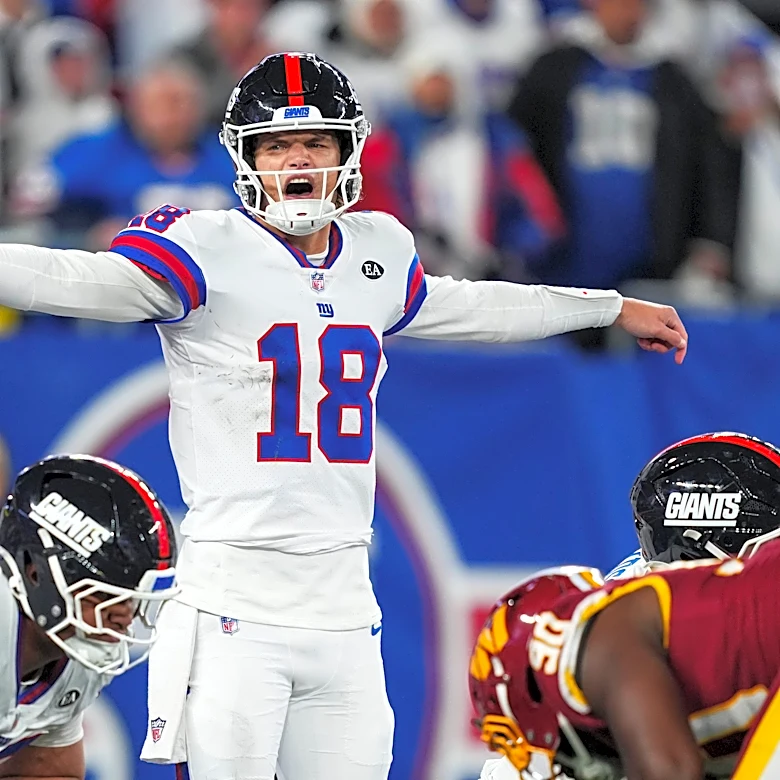
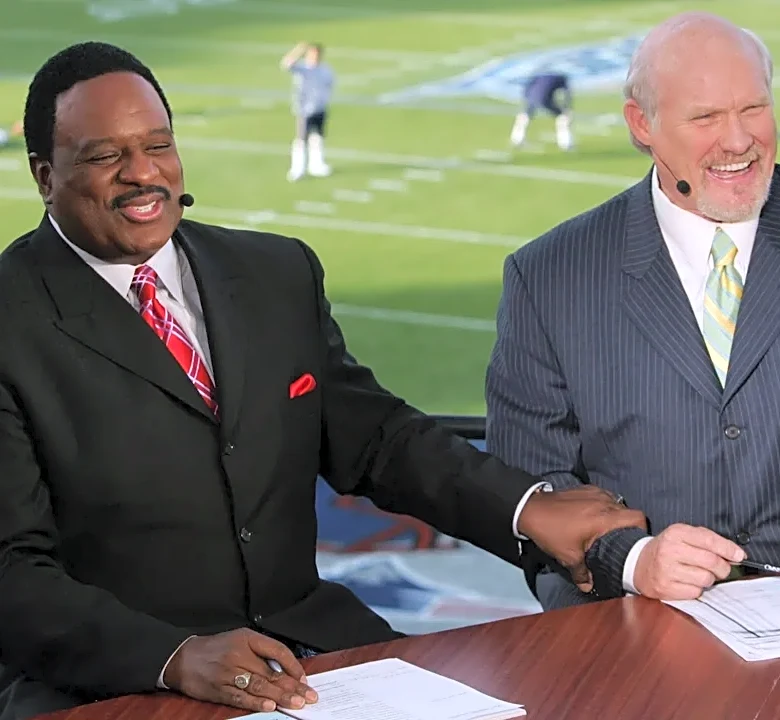
What the early critics missed was how a primetime game could create its own distinct identity. The third game wasn't just 'more football'; it was a different kind of viewing experience. The afternoon games are often the soundtrack to family gatherings, a pleasant hum in the background of dinner prep and conversation. The night game is different. By 8:20 p.m. ET, the dishes are often done, the family chaos has subsided, and fans can settle in for a focused, high-stakes contest. NBC took over the broadcast in 2012, treating it as an extension of its premier 'Sunday Night Football' package. This elevated the game from a mere add-on to a marquee event, often featuring crucial divisional rivalries with significant playoff implications, like the 2026 matchup between the Kansas City Chiefs and Buffalo Bills.
The Numbers Don't Lie
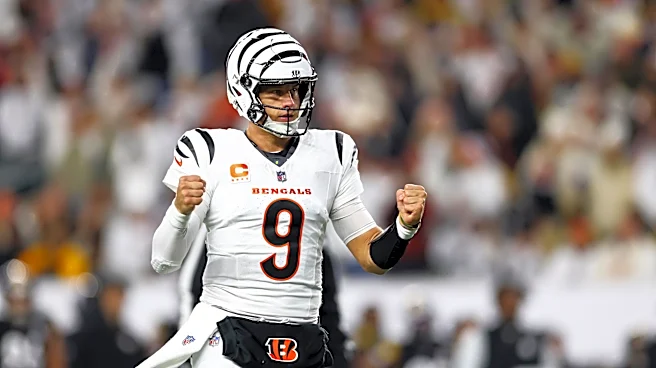
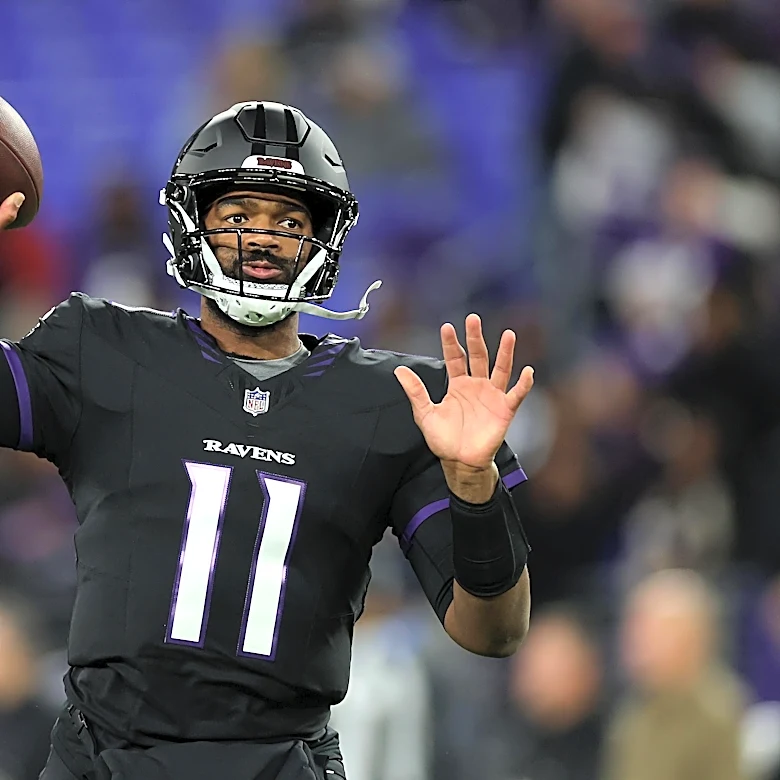
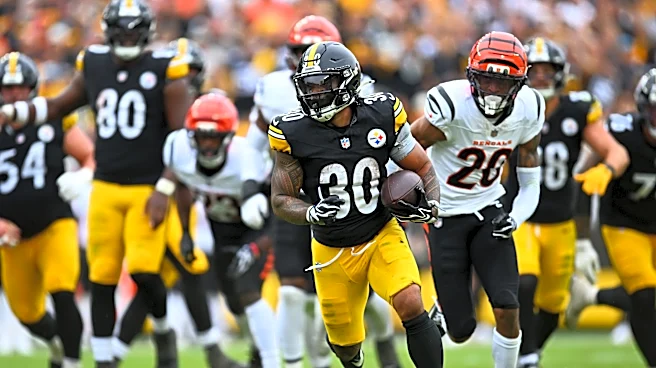
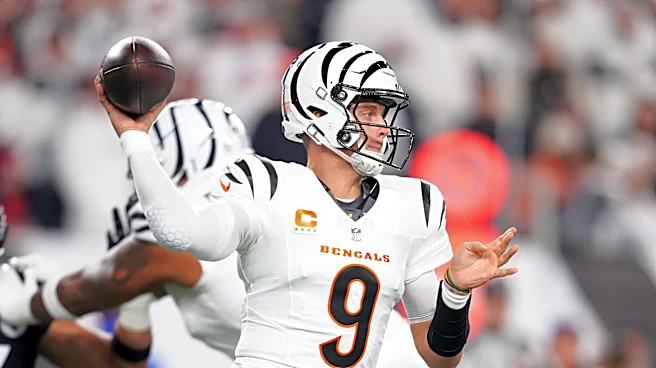
Any debate over the third game's success was settled by viewership numbers. The NFL’s bet on a tripleheader has paid off in spectacular fashion, with Thanksgiving now consistently delivering some of the highest ratings of the entire regular season. In 2025, the three games combined for the highest Thanksgiving Day viewership average on record. The primetime game between the Bengals and Ravens drew 28.4 million viewers, becoming the most-watched Thanksgiving night game in history. This followed a trend of record-breaking numbers, proving that far from being fatigued, audiences were hungry for a full day of football. The league understood a simple truth that critics underestimated: on a national holiday built around staying home, providing top-tier, live entertainment from noon to midnight is a winning strategy.
Completing the Football Holiday
Ultimately, the third game didn't just add to the schedule; it completed the transformation of Thanksgiving into a full-blown football holiday. It created a narrative arc for the day. The early game is the appetizer. The Cowboys game is the main course. And the primetime matchup is the dessert—a final, dramatic contest under the lights. It also democratized the holiday, giving teams beyond Detroit and Dallas a chance to play on a massive national stage. This rotating slot allows the league to showcase its best rivalries and biggest stars when the most eyes are watching. Rather than feeling like overkill, the tripleheader now feels essential. It’s the closing act of a day-long celebration, a modern pillar of a tradition that dates back more than a century.