





Rethinking Your Cold-Weather Strategy
Let’s be honest: the idea of a single magic layer that can replace a proper coat, scarf, and hat in freezing temperatures is a fantasy. The headline promises a simple fix, and it delivers, just not in the way you might think. The 'only layer you need' isn't a massive parka or a battery-powered vest. It’s the foundational piece that makes everything else you’re wearing work ten times better. The mistake most people make is focusing only on their outer layer. A huge coat is great, but if what’s underneath it is wrong—like a cotton hoodie that traps sweat—you'll end up cold and damp anyway. True warmth for hours of sitting in a stadium comes from a smart layering system, and the most crucial part of that system is the part that touches your skin.
The Unsung Hero: A Performance Base Layer
The single most critical piece of clothing for staying warm is a high-quality base layer, also known as thermal underwear or long johns. This isn’t your grandpa's bulky, waffle-knit cotton. Modern base layers are thin, stretchy, and engineered to perform a specific, vital job: moisture management. When you’re sitting still, your body still produces a small amount of moisture. If you wear cotton, that moisture gets trapped against your skin, cools down, and makes you feel chilled to the bone, no matter how thick your coat is. A performance base layer, however, is designed to pull that moisture away from your skin, keeping you dry. And when you’re dry, you stay warm. This is the entire secret. A good base layer worn directly against your skin is the engine of your warmth, creating a dry, comfortable microclimate that your other layers can then insulate.
What to Look For: Merino Wool vs. Synthetics
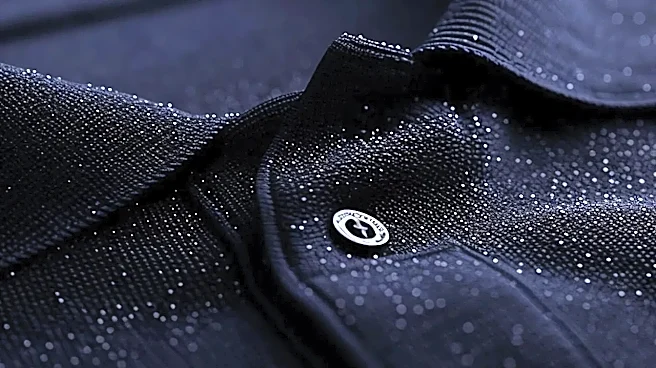
When choosing a base layer, you have two primary material choices: merino wool and synthetics (like polyester or nylon blends). For a spectator at a cold game, merino wool is often the superior, albeit more expensive, choice. Merino wool fibers are incredibly fine, soft, and have a natural ability to insulate even when damp. This is a huge advantage in the damp cold. They are also naturally odor-resistant, which is a nice bonus. Synthetic base layers are fantastic at wicking sweat and they dry very quickly, which makes them ideal for high-output activities like running or skiing. They are also more durable and affordable than merino wool. For the stop-and-start reality of a football game (walking to your seat, then sitting for hours), merino’s ability to provide consistent warmth without feeling clammy gives it the edge. However, a good quality synthetic is still a thousand times better than cotton and a perfectly good option if budget is a concern.
Making It Work: The Art of Layering
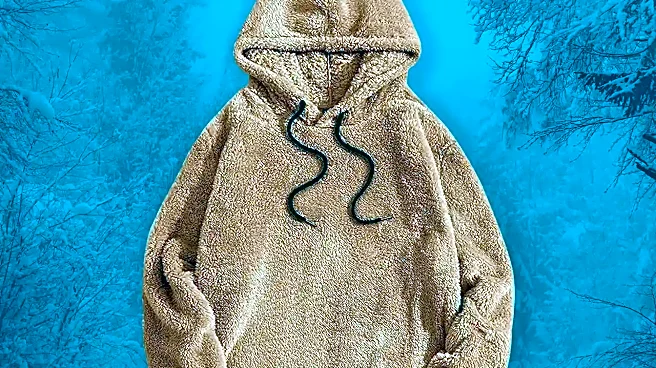
Once you have your performance base layer (top and bottom), the rest of your outfit becomes much more effective. Your base layer should be snug, fitting like a second skin to do its job properly. Over that, add a mid-layer for insulation. This is where your favorite fleece or a wool sweater comes in. This layer's job is to trap the warmth that your body generates. Finally, add your outer layer or shell—a good winter coat that blocks wind and resists moisture. The same logic applies to your extremities. Swap cotton socks for wool socks to keep your feet warm and dry inside insulated boots. A warm hat and gloves are non-negotiable. With a proper base layer as your foundation, you won't need to wear three bulky sweaters. You can wear fewer, more comfortable pieces and stay warmer for the entire game, from kickoff to the final whistle.