




Option 1: The Traditional Timeline
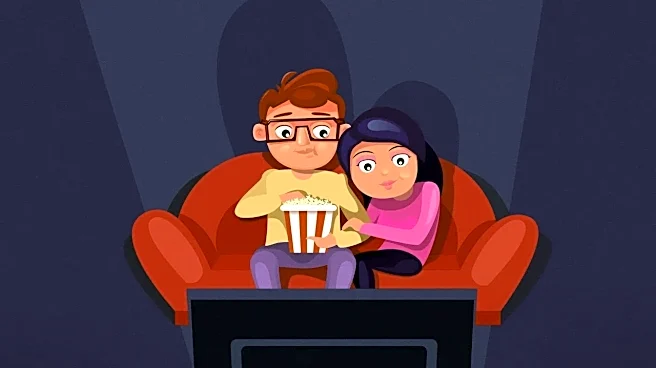
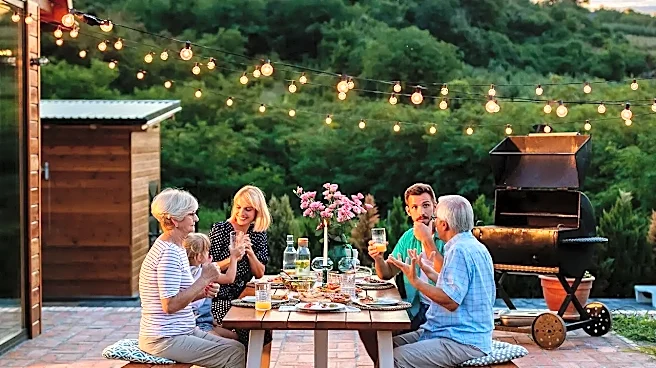
For many, Thanksgiving dinner happens sometime between 3 and 5 p.m.. This classic schedule centers the entire day around one main event: the feast. Morning is for parade-watching and last-minute prep, and guests typically arrive an hour or two before the meal, ready for appetizers and conversation. In this model, the movie becomes the evening's wind-down activity. After the table is cleared and leftovers are packed away (a task that can be a bonding activity itself), everyone can retreat to the living room. Aim for an 8 p.m. movie start time. This gives guests a solid couple of hours to digest, chat, and transition from 'feast mode' to 'film mode'. This timeline respects the dinner as the star of the show and treats the movie as the perfect,
low-energy encore. It works especially well for families with a wide range of ages, as it provides a structured, predictable flow to the day.
Option 2: The Movie Matinee Approach
Who says the movie has to wait until after dark? Flipping the script can be a brilliant strategy, especially if you have younger kids with early bedtimes or a guest list full of football fanatics who want the evening free. Consider a late lunch or 'linner' around 2 p.m. This opens up the late afternoon for entertainment. You could premiere the family film around 4:30 p.m., just as energy levels start to dip. This matinee showing allows everyone to relax together before the evening gets too late. Afterward, you can serve dessert and coffee, creating a second wave of social time. This schedule is also great for a more casual, buffet-style meal where people can graze over a longer period. By making the movie a planned afternoon event, you avoid the post-dinner slump where half the group wants to watch a film and the other half wants to nap or talk.
Option 3: The All-Day Grazing and Viewing
If your family is less about a formal sit-down meal and more about casual connection, embrace a day-long open house model. Set out substantial appetizers and sides mid-day, with the turkey being carved and available around 2 or 3 p.m. for people to make their own plates as they please. In this scenario, the movie isn't a single, must-see event. Instead, you can have a family-friendly classic playing on a loop in one room, while a football game is on in another. This allows people to wander in and out, watch for a bit, grab more food, and socialize at their own pace. It removes the pressure of getting everyone to agree on one film and one time. This works beautifully for large, multi-generational crowds where tastes and attention spans vary wildly. The key is to let go of a rigid schedule and focus on creating zones for different activities: a food zone, a chat zone, and a media zone.
The Art of the Gentle Negotiation
Regardless of the timeline you choose, the secret to a peaceful holiday is communication. Don't try to be a mind-reader. A week before Thanksgiving, float a few schedule options to key family members. A simple text like, 'Hey, thinking we’ll eat around 4 and watch a movie around 8, does that work for everyone?' can prevent day-of conflicts. If you have a divided house, let guests vote on the movie beforehand. It builds buy-in and makes everyone feel included. Remember to set realistic expectations; not every moment will be perfect. The goal isn't a flawless schedule but a day where everyone feels heard and has an opportunity to do something they enjoy, whether it’s debating at the dinner table or silently watching a film together.