


The Lions: A Marketing Ploy to Survive
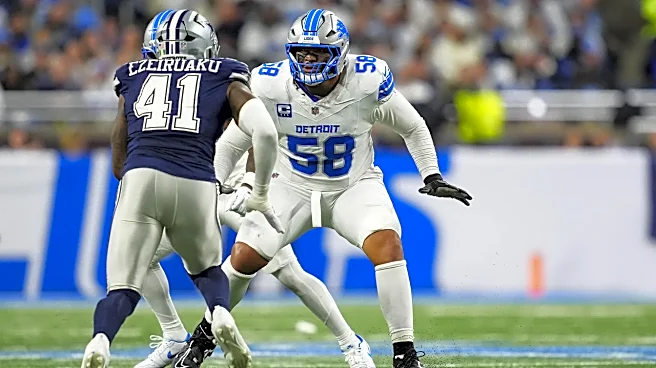
The tradition started with the Lions in 1934, and it was a pure business move. George A. Richards had just bought the Portsmouth, Ohio, Spartans, moved them to Detroit, and renamed them the Lions. The problem? Detroit was a baseball town, and the Tigers dominated the local sports scene. Despite a winning record, the Lions were struggling to draw crowds. Richards, a savvy radio executive, came up with a novel idea: host a game on Thanksgiving Day to capture an audience that wasn't competing with other weekend activities. He scheduled a showdown against the undefeated, defending champion Chicago Bears. To ensure a massive audience, Richards used his media connections to arrange for the game to be broadcast on a 94-station NBC radio network, the first
NFL game ever broadcast nationwide. The gamble paid off spectacularly. The stadium sold out with 26,000 fans, and a new tradition was born. Though the Lions lost the game, they won a permanent place in America's holiday schedule.
The Cowboys: A Bid for National Stardom
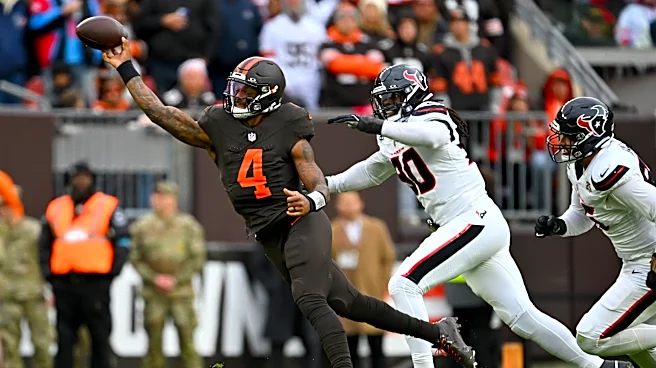
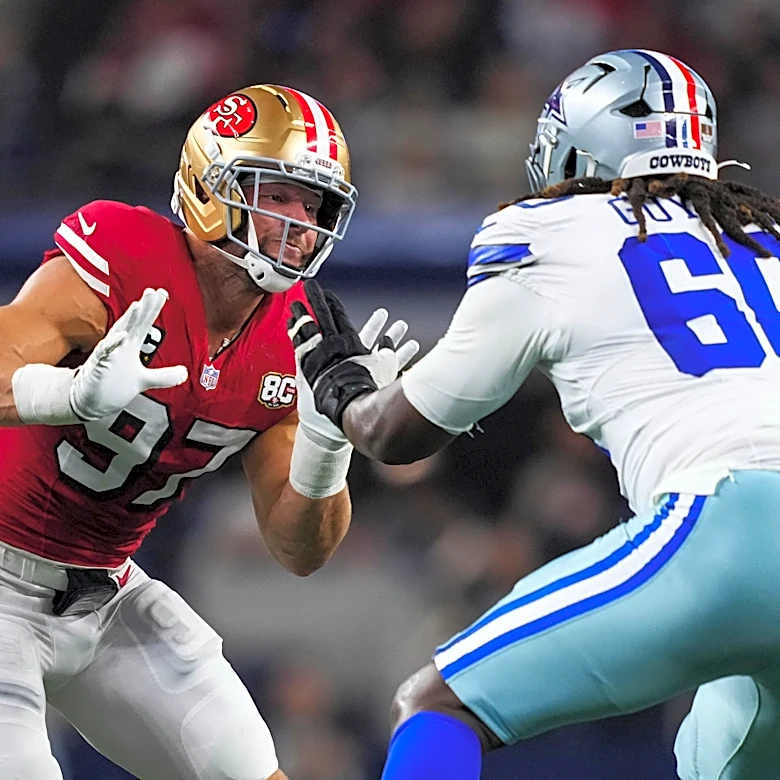
For over 30 years, the Lions were the only team with a standing Thanksgiving Day date. But in 1966, the Dallas Cowboys' ambitious general manager, Tex Schramm, saw an opportunity. While the Lions' tradition was born from a need for local attention, Schramm wanted to elevate the Cowboys' national profile. He volunteered his team to host a second Thanksgiving game, believing the national holiday spotlight was the perfect stage to build 'America's Team.' The NFL was reportedly hesitant, worried that a holiday game wouldn't draw a crowd in Dallas. Schramm was so confident that he guaranteed the league would cover any losses in ticket sales. He didn't need to. Over 80,000 fans packed the Cotton Bowl to watch the Cowboys defeat the Cleveland Browns. Just like that, another tradition was cemented. Except for two years in the mid-1970s when the St. Louis Cardinals briefly hosted, the Cowboys have been a Thanksgiving fixture ever since.
Why Has It Lasted?
In a league that constantly changes, the Lions and Cowboys' Thanksgiving roles have remained remarkably consistent. The reason is simple: it works. The games became a television ratings juggernaut, making the tradition incredibly valuable for the NFL. While other teams have occasionally grumbled about Detroit and Dallas getting a permanent national showcase, the league has shown no interest in changing a winning formula. For many years, especially when the Lions struggled, the Thanksgiving game was often their only nationally televised appearance of the season. The Cowboys, with their massive national following, only amplified the holiday's appeal. The league even added a third, rotating primetime game in 2006, effectively creating an all-day football feast while preserving the two original hosts. This move solidified the roles of the Lions and Cowboys, turning their individual marketing ploys into a shared, unshakeable American institution.