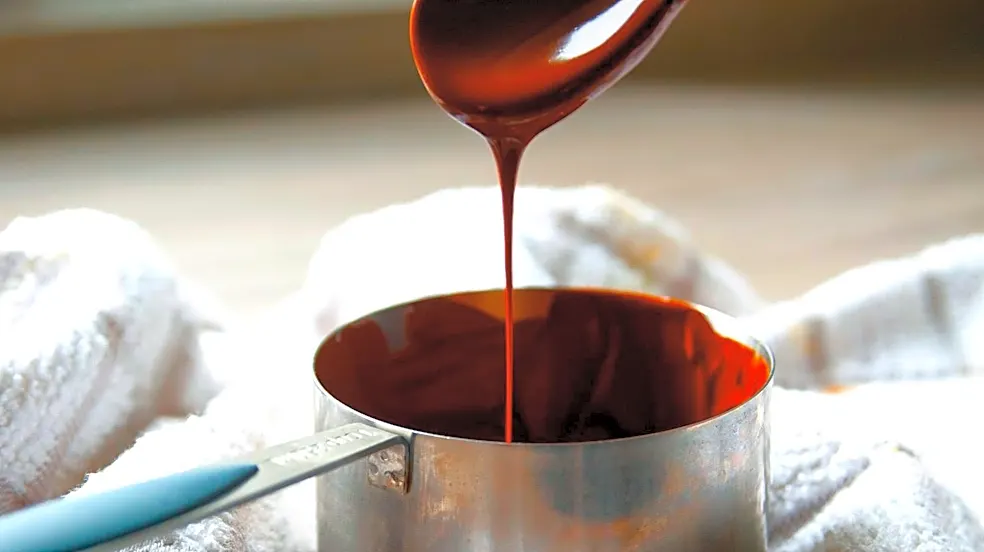











The Classic Washable Recipe
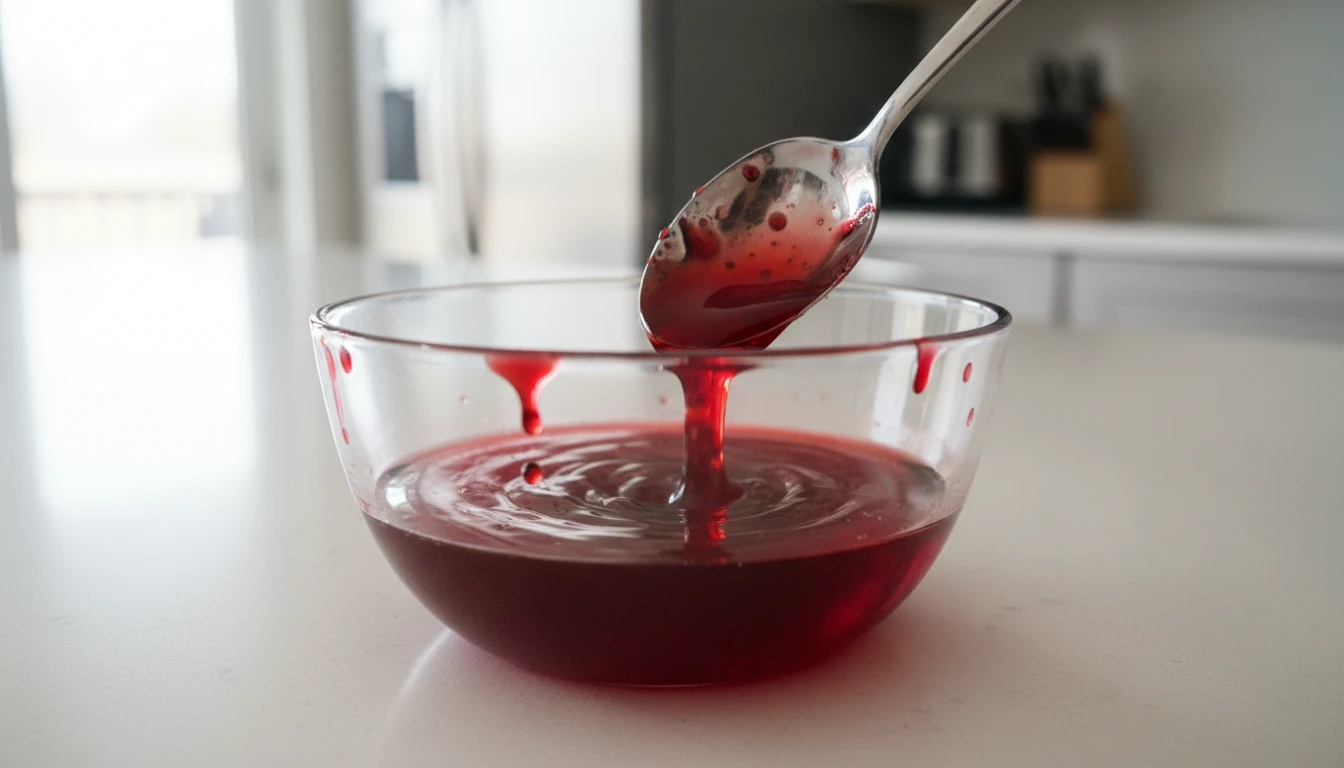
The most reliable and edible fake blood starts with a simple, water-soluble base: light corn syrup. This ingredient gives your fake blood the perfect glossy, viscous texture that drips and oozes realistically. The key to its washability is that it dissolves easily in water. While red food coloring is a necessary component, some brands are more prone to staining than others. The trick is to use it judiciously and, in some cases, add a secret ingredient to help it wash out. For a basic, non-staining batch, combine a half cup of light corn syrup with one or two tablespoons of warm water in a bowl. The warm water helps thin the syrup slightly, making it easier to mix. Next, stir in about one teaspoon of red food coloring.
Achieving a Realistic Blood-Red Hue
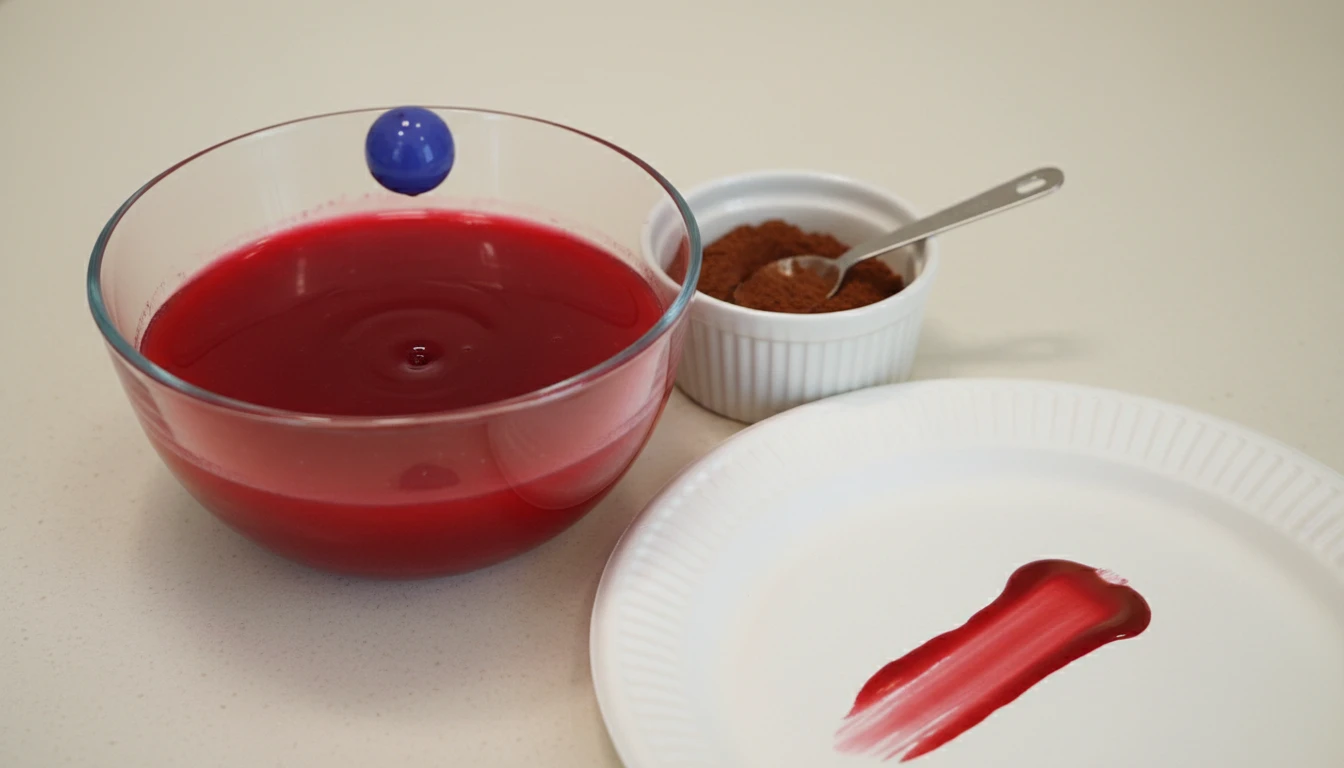
Straight red food coloring
often looks too bright and artificial, like cherry syrup. Real blood is a much deeper, more complex color. The secret to achieving this realism is to add a tiny drop of blue or green food coloring to your red base. This simple addition instantly darkens the mixture to a more believable arterial shade. Add the blue or green one drop at a time, stirring thoroughly after each addition, as it's easy to overdo it and end up with purple or brown goo. For an even more opaque and darker, venous look, sift in a teaspoon of unsweetened cocoa powder. The cocoa not only deepens the color but also adds a bit of texture, making the blood less translucent. Always test your color on a white paper plate to see how it will look before applying it.
Creating Different Blood Effects
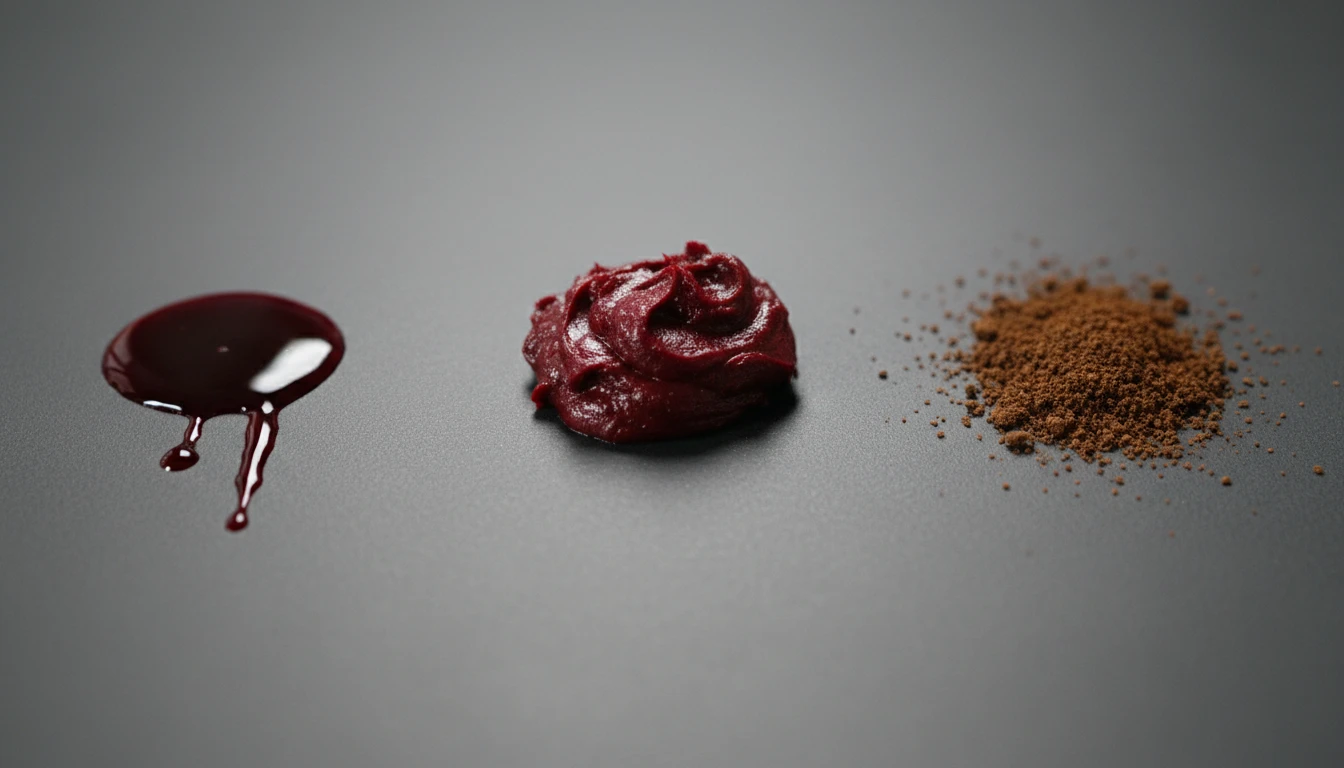
Not all blood is created equal. Your ghoulish needs might call for thin splatters, thick clots, or dried, scabby wounds. You can easily adapt the basic recipe for these effects. For thin, runny blood perfect for splatters or drips from the nose and mouth, simply mix in another teaspoon or two of warm water. For thick, gruesome gore ideal for filling wounds or creating clotted textures, stir in a spoonful of cornstarch. This will create a paste-like consistency that holds its shape. For a truly gruesome 'scab' effect, apply the thick, cornstarch-heavy blood and let it set for a few minutes. Then, you can lightly dust it with finely ground coffee to create a dry, crusty appearance on the surface.
The Secret Ingredient for Easy Cleanup
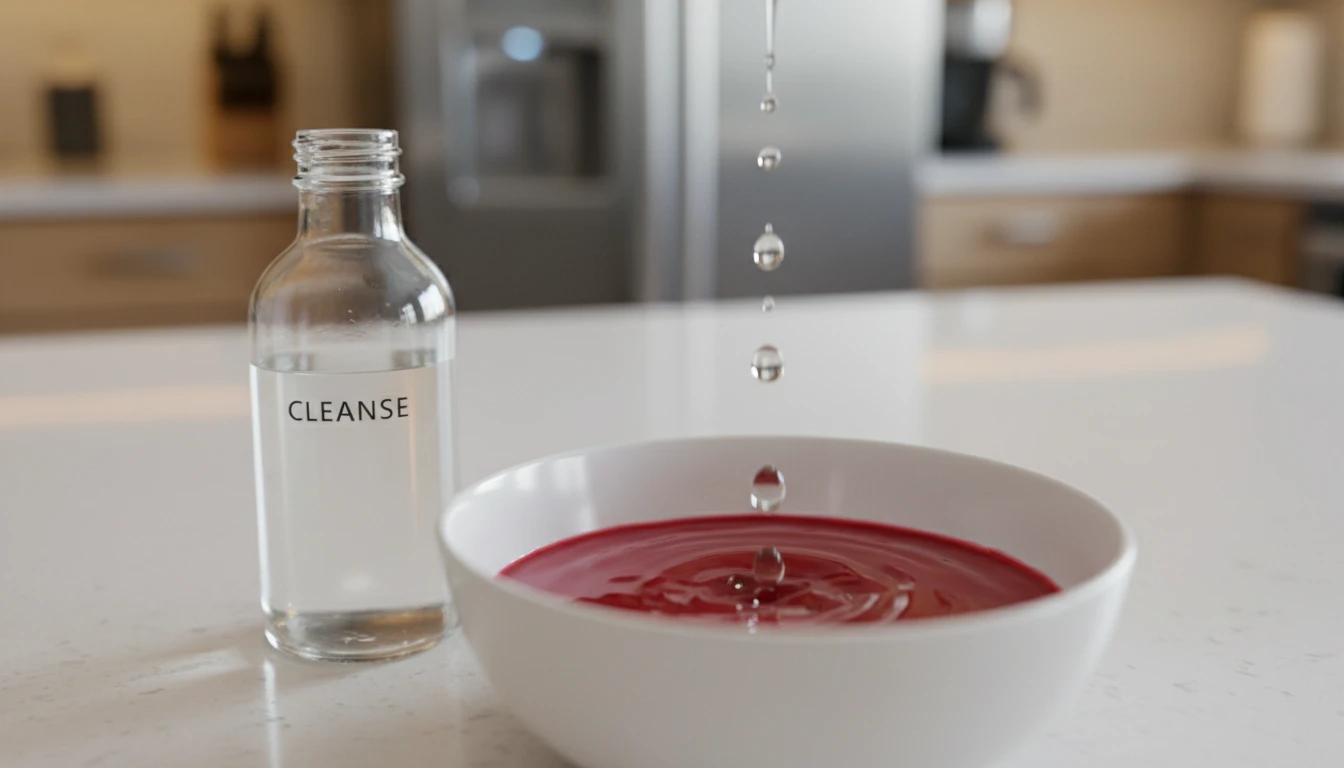
While a corn syrup base is a great start, the true hero of a washable fake blood recipe is a small amount of clear dish soap. Adding a few drops of a gentle, clear dish soap to your mixture acts as a surfactant, helping to prevent the food coloring from setting into fabric fibers. Theatrical productions have long used this trick to ensure costumes can be cleaned and reused. Some recipes even suggest using baby shampoo, which is gentler on skin. Another approach is to use washable red poster paint instead of food coloring, which is designed from the start to be non-staining. However, this version is not edible and should never be used near the mouth. No matter your recipe, the number one rule is to act fast. The longer fake blood sits on fabric, the harder it is to remove.
Application Tips and Stain Prevention
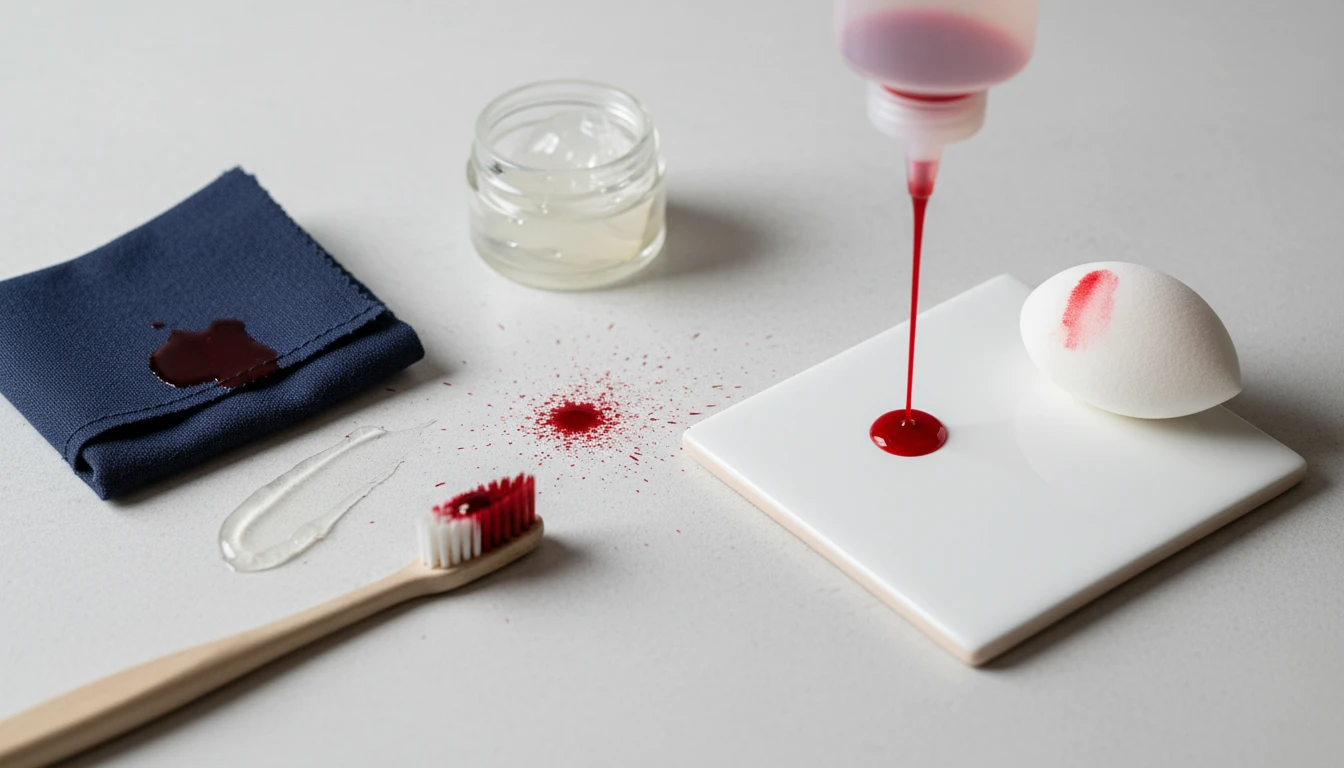
Before you go all out, always perform a patch test on a hidden area of your costume, like an inside seam, to ensure the blood will wash out of that specific fabric. When applying to skin, especially sensitive skin, it can be helpful to first apply a thin layer of petroleum jelly as a barrier to prevent any potential staining. For application, get creative. An old toothbrush is perfect for creating fine splatters by flicking the bristles with your thumb. A simple squeeze bottle allows for controlled drips and lines. For smears and smudges, your fingertips or a makeup sponge work best. Remember that with fake blood, a little often goes a long way to creating a convincing and creepy effect.
The After-Halloween Washout
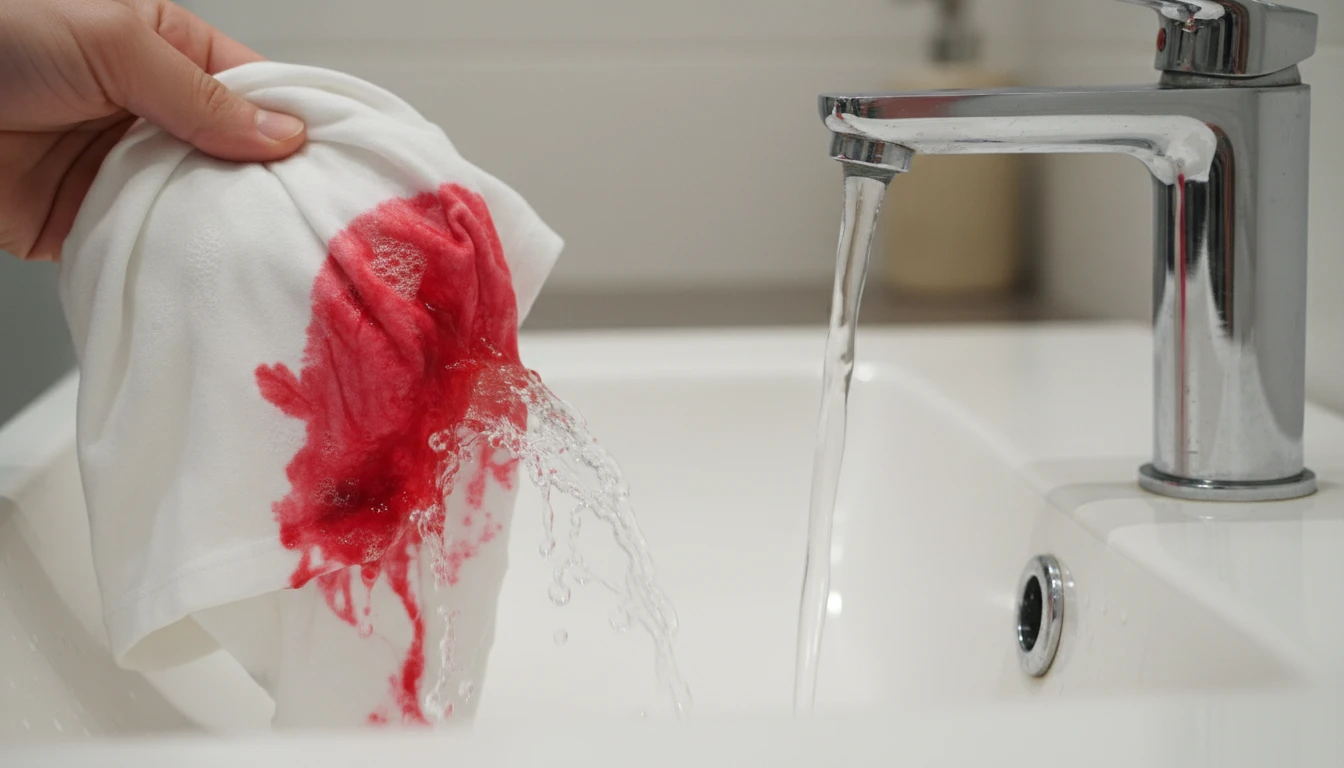
When the haunting is over, cleanup should be simple. For skin, the blood should wash away easily with soap and warm water. If you notice any slight pink tinge left behind from the food coloring, it can often be removed with shaving cream (the foam, not gel) or a bit of hand sanitizer. For costumes and fabrics, rinse the affected area immediately with cold water. Do not use hot water, as heat can set the stain, making it permanent. After rinsing, apply a stain remover or a bit of liquid laundry detergent directly to the spot and allow it to sit for a few minutes before laundering as usual.