








Your Beginner's SFX Toolkit
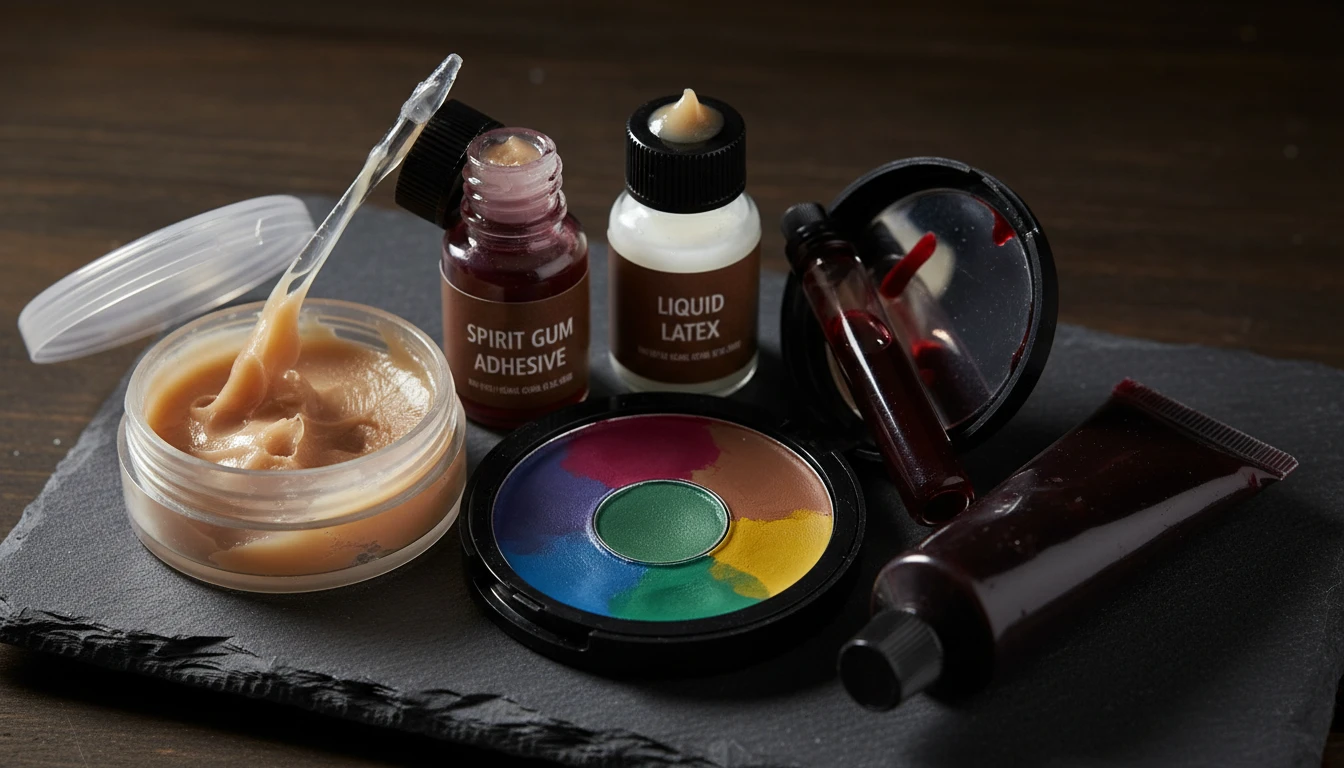
You don't need a Hollywood-sized budget to start creating gruesome effects. A basic beginner's kit should include a few key items. Modeling or scar wax is a pliable substance perfect for sculpting three-dimensional wounds, cuts, and other skin distortions directly on your skin. To make it stick, you'll need an adhesive like spirit gum, a classic resin-based glue used in theater for decades. Liquid latex is another versatile essential, used to create peeling skin, blisters, and to blend the edges of prosthetics. To add realistic color, a bruise wheel—a small palette with shades of red, purple, blue, green, and yellow—is invaluable for creating the life cycle of an injury. Finally, no SFX look is complete without fake blood. They come in various
consistencies, from thin, runny 'stage blood' for fresh wounds to thick, dark 'gel blood' for clotted, scabbing effects.
Technique: Creating a Realistic Cut
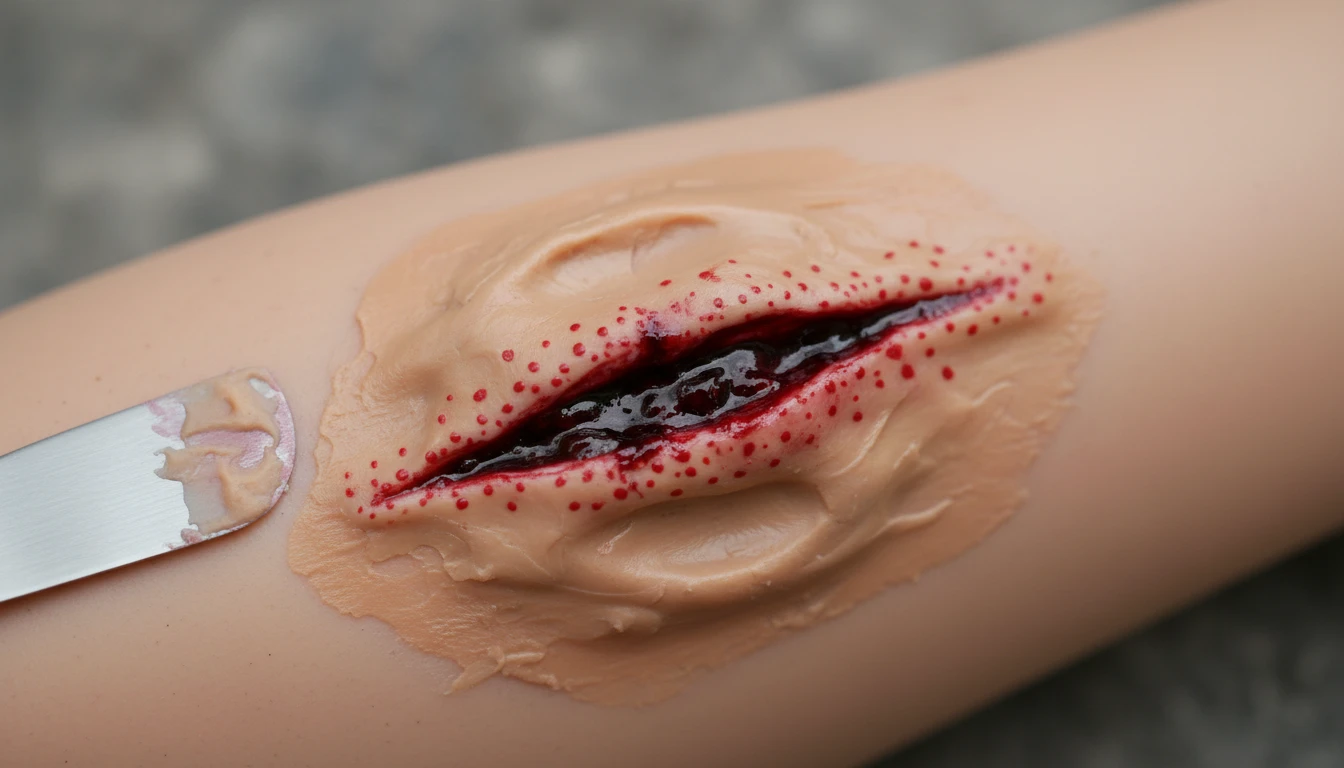
Let's create a simple, convincing cut using scar wax. First, apply a thin layer of spirit gum where you want the wound and let it get tacky. Take a small ball of scar wax and warm it between your fingers. A little petroleum jelly on your fingertips can prevent it from sticking to you. Apply the wax over the spirit gum and use a spatula or your finger to blend the edges seamlessly into your skin, leaving the center raised. Next, use the clean edge of your spatula to slice through the middle of the wax, creating the 'cut'. You can gently pull the sides apart to deepen the wound. Use a foundation that matches your skin tone to gently stipple over the wax, helping it blend with your complexion. Finally, fill the cut with a dark red or coagulated blood gel and use a stipple sponge to dab brighter red blood around the edges for a bruised, irritated look.
Safety First, Scares Second
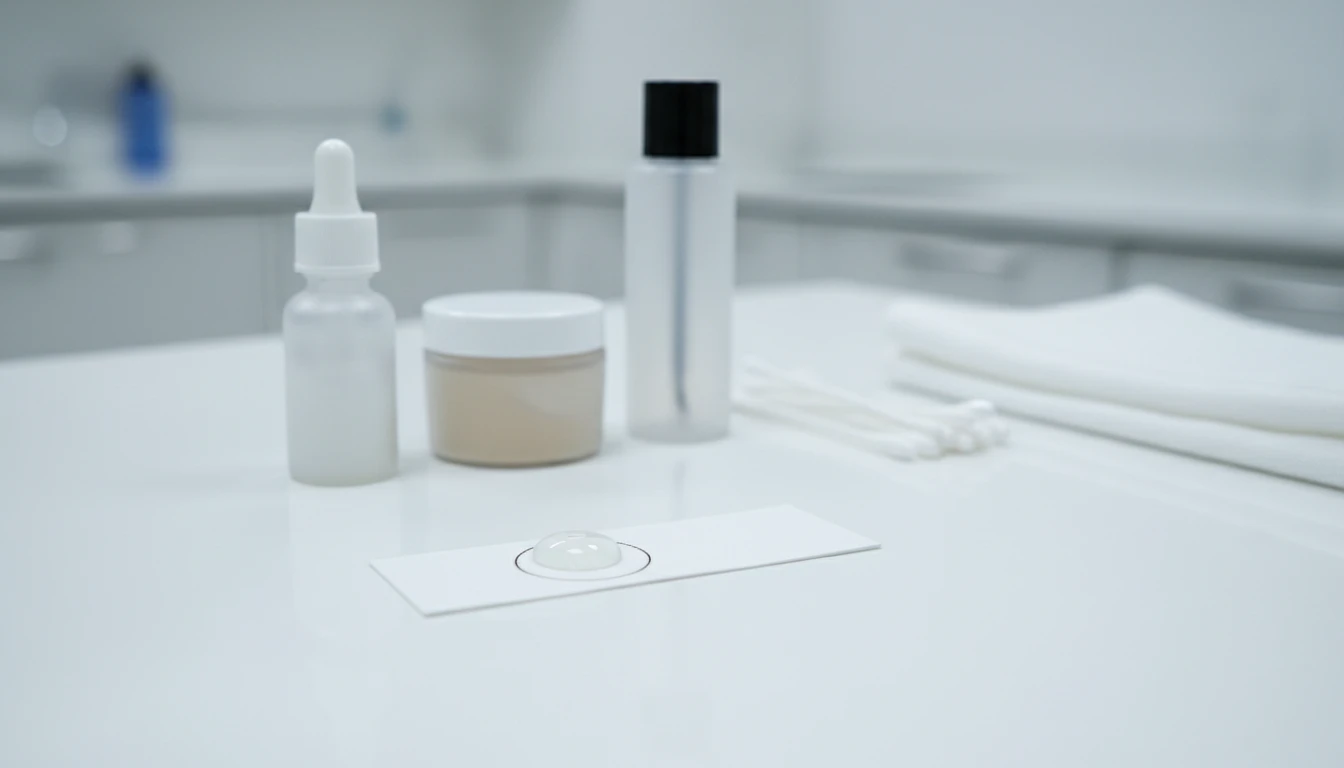
SFX makeup is fun, but safety is critical. Before using any new product like liquid latex, spirit gum, or wax, always perform a patch test. Apply a small amount to your inner wrist and wait about 15-30 minutes to see if any redness, itching, or irritation occurs. People with a known latex allergy should avoid liquid latex entirely and opt for alternatives like silicone-based products or gelatin effects. Work in a well-ventilated area, especially when using products with strong fumes like spirit gum or some liquid latex formulas which can contain ammonia. Never apply products to broken, irritated, or sensitive skin, and be extremely careful around your eyes and mouth unless the product is specifically rated as safe for those areas.
The Great Removal: Taking It All Off
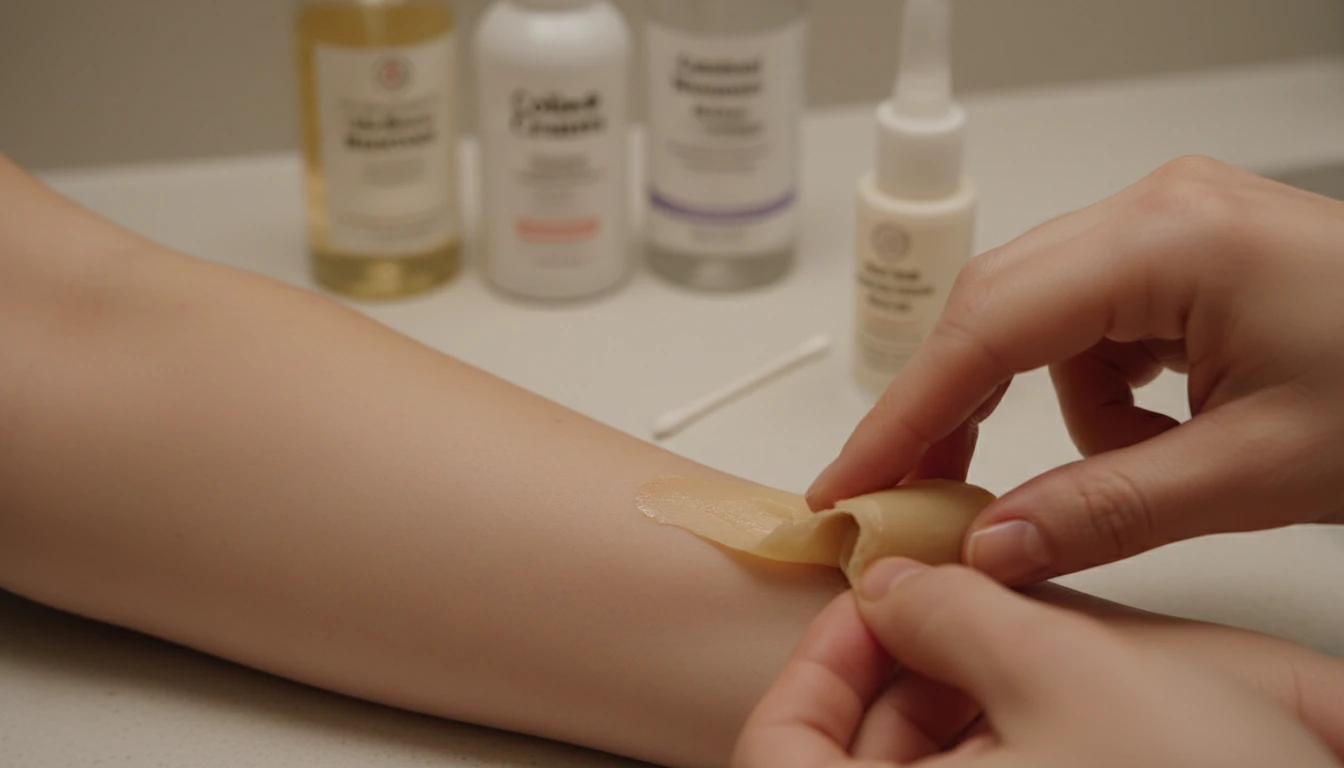
At the end of the night, proper removal is just as important as the application. The number one rule is to never pull or peel materials off dry, as this can damage your skin and rip out hair. For scar wax and liquid latex, start by softening the edges with an oil-based makeup remover, cold cream, or even baby oil. Let it sit for a minute to dissolve the bond, then gently roll the appliance away from the skin. For adhesives like spirit gum, you'll need a dedicated spirit gum remover. Apply the remover with a cotton swab along the edges of the prosthetic, allowing it to work its way underneath until the piece lifts off easily. Once all the effects are off, wash your face with a gentle cleanser and apply a good moisturizer to soothe your skin.