


What's Happening?
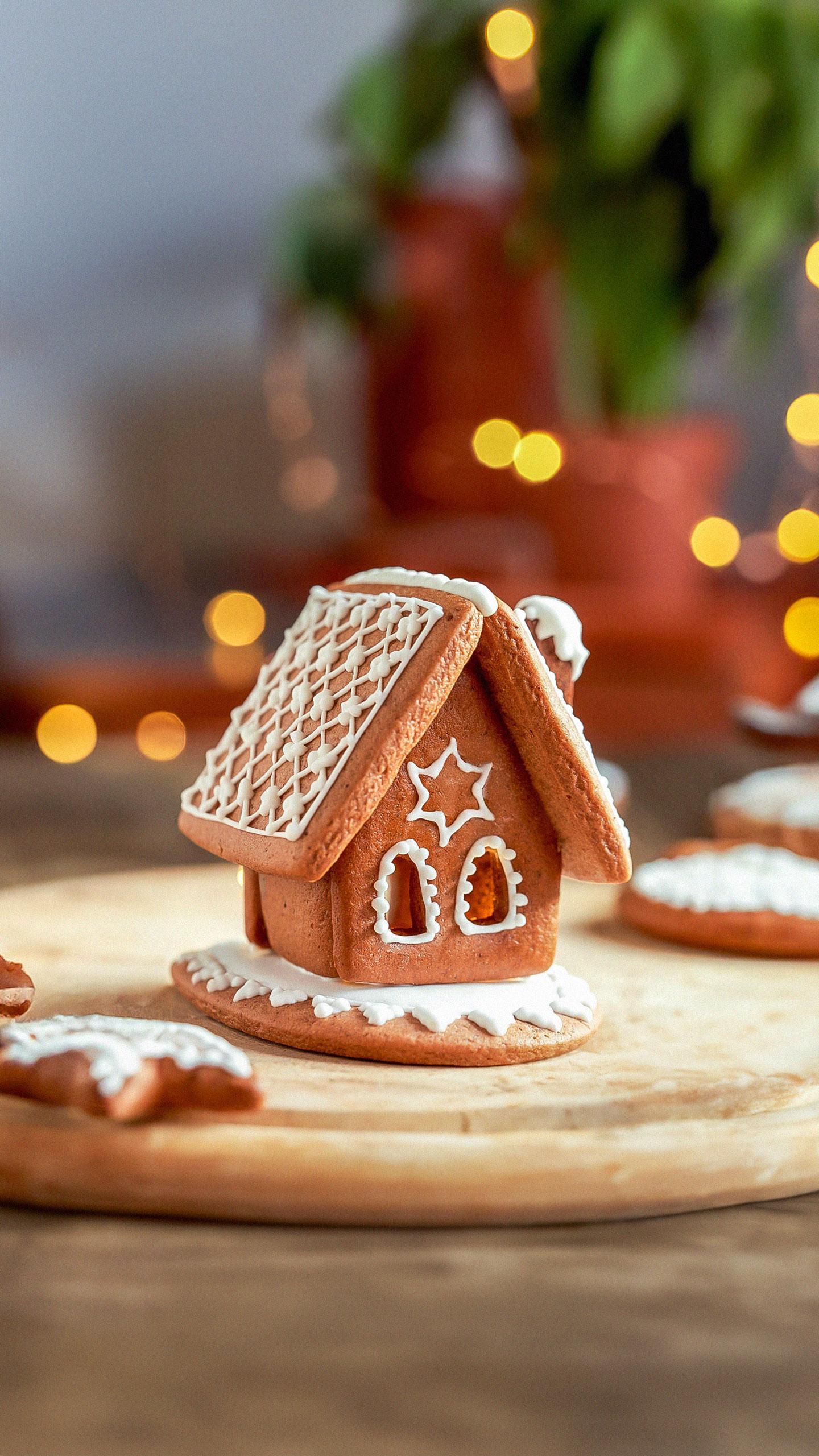
An architect who transitioned into a pastry chef, Jackelinne Bauer, is sharing her expertise in creating intricate gingerbread houses. Bauer, who specializes in "gingerbread architecture" year-round, offers
tips for individuals looking to elevate their gingerbread house-making skills beyond pre-made kits. Her advice includes baking gingerbread dough from scratch, planning cut-out pieces by drawing them on paper first, and using liquid sugar or melted Jolly Ranchers to create stained-glass windows. For a gothic aesthetic, Bauer suggests purple windows and black icing. She also recommends decorating walls and roofs while they are flat before assembling the house, adding details like sprinkles and candies. The article highlights the versatility of gingerbread house designs, encouraging creators to experiment with different color palettes, architectural styles, and small additions to make unique structures such as greenhouses, libraries, mansions, or even full Christmas villages.
Why It's Important?
This trend signifies a growing interest in sophisticated DIY home decor and culinary arts, particularly during the holiday season. It empowers individuals to engage in creative projects that combine architectural principles with baking, fostering a sense of accomplishment and personalized expression. The detailed guidance from an expert like Bauer democratizes complex design techniques, making them accessible to a broader audience. This movement also reflects a shift towards more elaborate and personalized holiday traditions, moving away from mass-produced items. For retailers, it could indicate an increased demand for specialized baking tools, ingredients, and decorative elements, influencing product development and marketing strategies in the craft and food industries. Furthermore, it promotes skill-sharing and community engagement as people seek inspiration and share their creations.
What's Next?
As the holiday season approaches, it is anticipated that more individuals will attempt these advanced gingerbread house designs, potentially leading to an increase in online tutorials, workshops, and community challenges centered around gingerbread architecture. Social media platforms are likely to see a surge in shared creations, inspiring others to participate. This could also spur collaborations between culinary artists and architectural designers, leading to innovative gingerbread house kits or design templates. Retailers might respond by offering specialized gingerbread house-making supplies, including unique cutters, icing tools, and decorative candies. The trend could also influence holiday-themed events, with more elaborate gingerbread house competitions and displays becoming popular attractions, further solidifying this niche as a significant part of seasonal celebrations.
Beyond the Headlines
The rise of "gingerbread architecture" reflects a broader cultural appreciation for craftsmanship and the fusion of different artistic disciplines. It challenges the perception of baking as merely a culinary skill, elevating it to an art form that incorporates elements of design, engineering, and aesthetics. This trend also speaks to a desire for tangible, hands-on creative outlets in an increasingly digital world, offering a therapeutic and engaging activity for individuals and families. Ethically, it promotes sustainable practices by encouraging homemade creations over mass-produced, often disposable, holiday decorations. Culturally, it reinforces the tradition of holiday baking while pushing its boundaries, fostering innovation and personal expression within established customs. This blend of tradition and modernity highlights a dynamic evolution in how people celebrate and engage with festive activities.