

What's Happening?
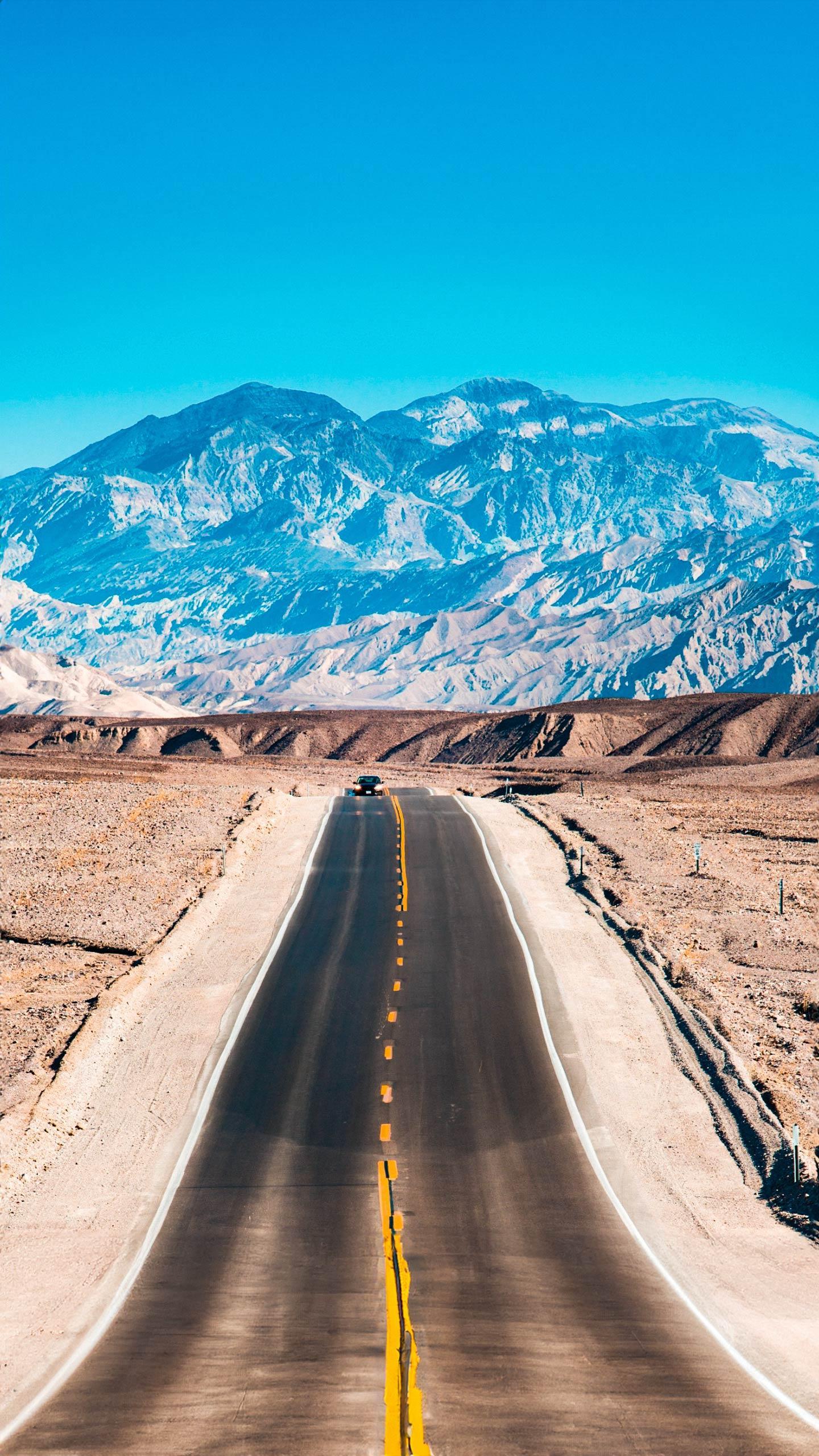
A four-day, 350-mile road trip through Southern California, starting from Los Angeles and looping to the Mexican border town of Jacumba Hot Springs, was undertaken during a week of rare, record-breaking
rain. The journey included stops at Murrieta Hot Springs Resort in the Temecula Valley, which reopened in 2024 after nearly 30 years of closure and extensive renovations. The resort, founded in 1902, offers geothermal pools, saunas, steam rooms, hydrotherapy troughs, and cold plunges. Despite the unexpected weather, the trip focused on the psychological benefits of hot springs and desert landscapes. The itinerary also covered the Anza-Borrego Desert State Park, highlighting outsider art and natural scenery. The experience at Murrieta Hot Springs involved various thermal treatments and wellness activities, emphasizing relaxation over detoxification.
Why It's Important?
This road trip highlights the growing trend of wellness tourism and the appeal of natural hot springs as a destination for relaxation and rejuvenation within the U.S. The reopening of historic resorts like Murrieta Hot Springs, after significant investment, indicates a revitalization of such properties and their potential contribution to local economies through tourism. The narrative also underscores the resilience of travel plans in the face of unexpected weather, suggesting that unique experiences can still be found even when conditions are not ideal. For the tourism industry, it demonstrates the market for niche travel experiences that combine natural beauty with wellness offerings, attracting visitors seeking both adventure and tranquility. The focus on psychological benefits rather than strict detoxification reflects a broader shift in wellness trends towards mental well-being.
What's Next?
The successful reopening and promotion of destinations like Murrieta Hot Springs could inspire further investment in similar historical wellness resorts across the U.S., potentially leading to a resurgence in this segment of the hospitality industry. Travelers may increasingly seek out unique, experience-driven road trips that combine natural attractions with wellness activities, even during off-peak seasons or unexpected weather conditions. This could encourage travel operators and local tourism boards to develop more diverse itineraries that cater to such interests, emphasizing flexibility and the psychological benefits of travel. Future travel trends might see a greater emphasis on sustainable tourism and the preservation of natural sites like hot springs and desert parks.
Beyond the Headlines
The experience of this road trip, particularly the contrast between planned sunny weather and actual record-breaking rain, subtly touches upon themes of adaptability and finding enjoyment amidst unforeseen circumstances. It suggests a deeper appreciation for the journey itself, rather than just the destination, and the psychological resilience gained from embracing imperfect travel conditions. The focus on the historical aspect of Murrieta Hot Springs also points to the enduring appeal of heritage sites and their ability to be reimagined for modern wellness needs. This narrative could encourage a shift in travel perspectives, where the unexpected becomes part of the adventure, fostering a more mindful and flexible approach to exploring natural and historical landmarks.