


What's Happening?
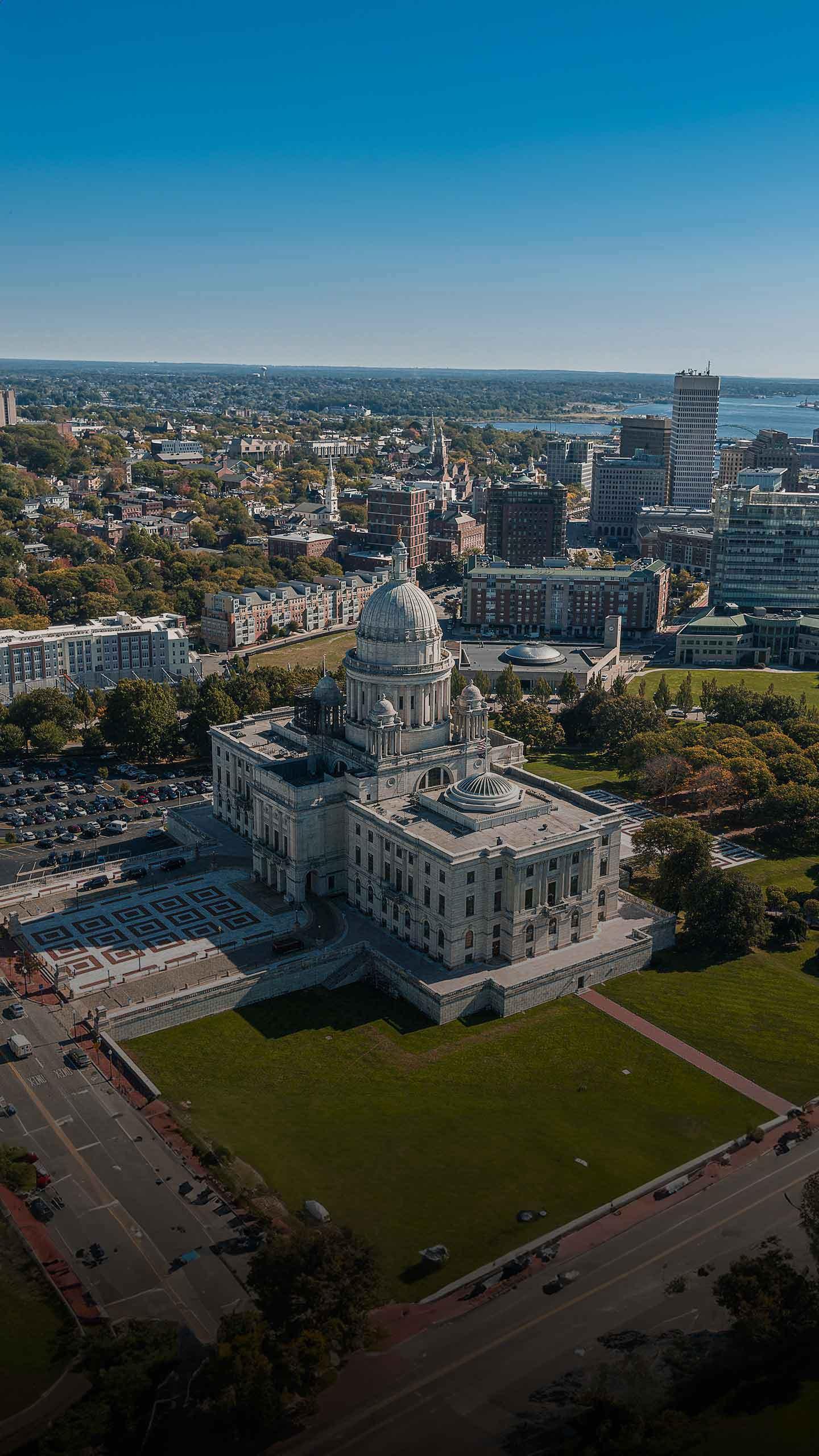
Rhode Island, despite being the smallest U.S. state, is highlighted as a premier destination for luxury travel, offering significant coastal elegance and a vibrant cultural scene. The city of Newport is particularly
noted for its Gilded Age mansions, such as The Breakers, which evoke the historical summers of prominent families like the Vanderbilts. Newport's harbor is also recognized as a hub for yachts, solidifying its reputation as a global sailing capital, with lobster roll lunches by the water being a recommended experience. Providence, the state capital, is praised for its thriving arts and food scene, providing visitors with diverse cultural and culinary experiences. The state boasts 400 miles of coastline, quiet vineyards, and the secluded Block Island, accessible by ferry, making it an easily reachable refined seaside escape from major urban centers like Boston and New York.
Why It's Important?
Rhode Island's appeal as a luxury travel destination is significant for its tourism industry and local economy. The emphasis on its coastal elegance, historical mansions, and sailing culture attracts high-net-worth individuals, contributing to increased revenue for hospitality, dining, and luxury retail sectors. The thriving arts and food scene in Providence further diversifies its appeal, drawing visitors interested in cultural experiences and culinary tourism. This influx of tourists supports local businesses, creates employment opportunities, and can lead to further investment in infrastructure and services. For residents, a robust tourism sector can enhance local amenities and preserve historical sites, while also potentially leading to increased cost of living in popular areas. The state's accessibility from major East Coast cities positions it as a convenient and attractive getaway, reinforcing its economic importance within the regional tourism landscape.
What's Next?
As Rhode Island continues to be recognized for its luxury travel offerings, future developments may focus on enhancing existing attractions and promoting new experiences. This could include further restoration and public access to historical estates, expansion of yachting and marine tourism services, and continued investment in Providence's arts and culinary districts. There may also be efforts to develop sustainable tourism practices to protect the state's 400 miles of coastline and natural beauty, particularly around areas like Block Island and its vineyards. Marketing campaigns are likely to target affluent travelers from nearby metropolitan areas, emphasizing the state's unique blend of history, culture, and natural landscapes. The goal will be to maintain its status as a refined seaside escape while potentially broadening its appeal to a wider range of luxury travelers seeking diverse experiences.
Beyond the Headlines
The allure of Rhode Island as a luxury destination extends beyond its immediate economic benefits, touching upon themes of historical preservation and cultural identity. The Gilded Age mansions in Newport are not merely tourist attractions but serve as tangible links to America's industrial past and the lifestyles of its early elite. Their preservation and interpretation contribute to a national understanding of architectural heritage and social history. Similarly, Providence's burgeoning arts and food scene reflects a contemporary cultural renaissance, showcasing local talent and culinary innovation. This blend of historical grandeur and modern vibrancy creates a unique identity for the state, attracting not only tourists but also potentially new residents and businesses seeking a high quality of life. The balance between promoting tourism and preserving the authentic character of these communities will be a continuous challenge, requiring careful planning and community engagement to ensure sustainable growth and cultural integrity.