
What's Happening?
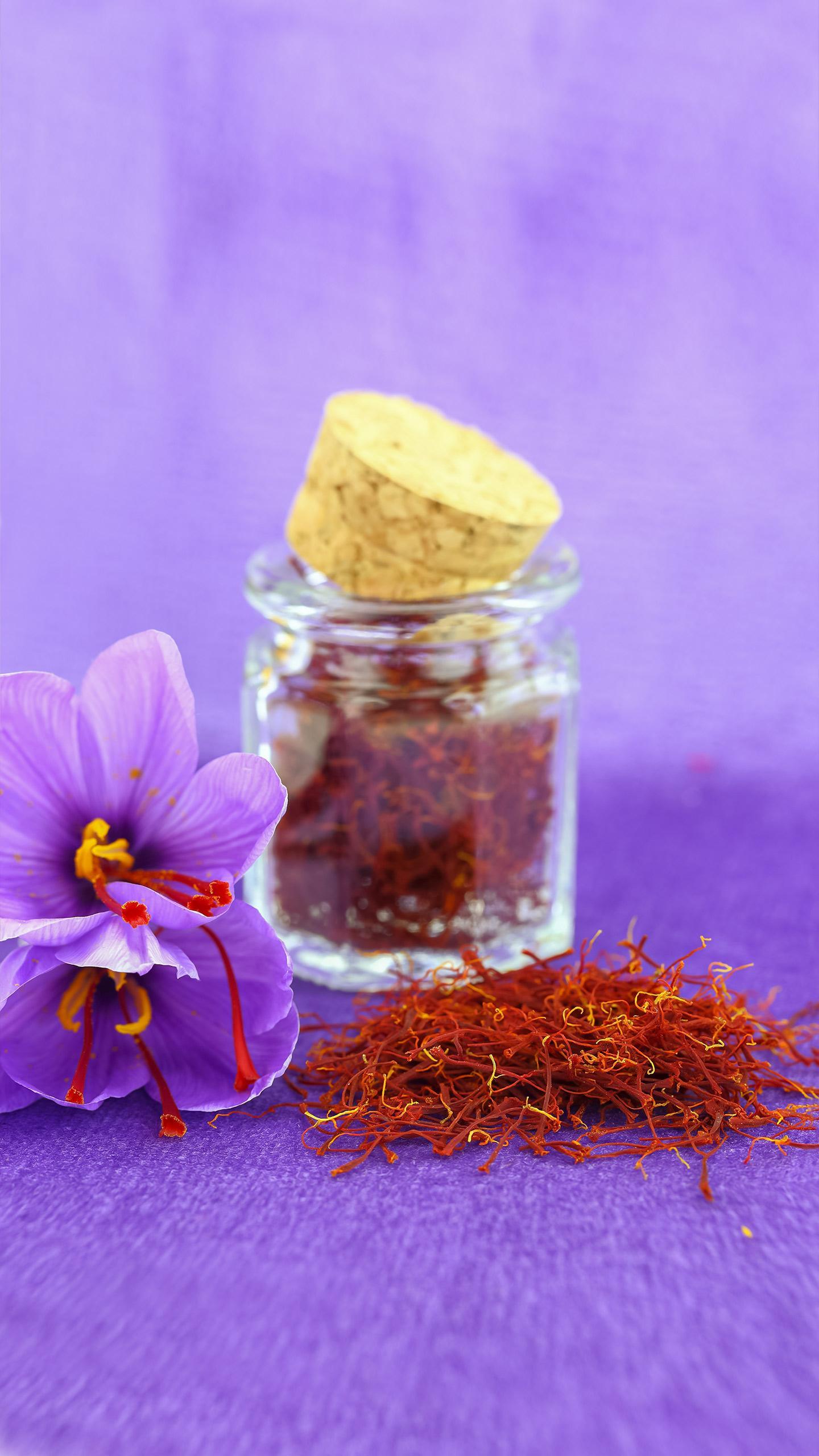
Saffron, recognized as the world's most expensive spice, maintains its esteemed status due to its scarcity and labor-intensive harvesting process. Each saffron crocus flower yields only three stigmas,
which must be hand-picked and dried. Approximately 250,000 stigmas are required to produce one pound of saffron, primarily harvested in late autumn from regions like Iran, Afghanistan, India, and Spain. Historically, saffron has been a symbol of wealth and power, used to 'gild' food and signify status. Its cultural significance extends to religious practices, such as Buddhist priests dyeing their robes with saffron in homage to the Buddha. The spice is known for its distinctive yellow coloring effect and unique flavor profile, often used in both savory and sweet dishes globally, including Persian Halwa.
Why It's Important?
The enduring value and cultural significance of saffron highlight its unique position in global culinary and economic landscapes. Its high cost and demand reflect not only its distinct flavor and coloring properties but also the intricate supply chain and traditional harvesting methods that have remained largely unchanged for centuries. For the U.S. food industry and gourmet markets, saffron represents a luxury ingredient that drives demand for high-quality, specialty products. Its use in diverse cuisines, from Mediterranean to Middle Eastern and Far Eastern dishes, underscores its versatility and global appeal. The market for saffron also faces challenges from substitutes like turmeric, emphasizing the importance of authenticity and quality control for consumers and suppliers alike.
What's Next?
The market for saffron is likely to continue to be influenced by its limited supply and high demand, maintaining its status as a premium ingredient. Efforts may focus on ensuring the authenticity of saffron products to combat fraud, given its high value. Culinary trends in the U.S. could see an increased appreciation for traditional and exotic spices, potentially boosting demand for saffron in gourmet cooking and specialty food products. Research into sustainable cultivation methods or alternative sources might emerge, though the labor-intensive nature of saffron harvesting makes significant changes challenging. Educational initiatives for consumers about saffron's unique properties and how to identify genuine saffron could also become more prevalent.
Beyond the Headlines
Saffron's story is more than just about a spice; it's a narrative of human history, culture, and economics intertwined. Its historical use as a symbol of wealth, its role in religious ceremonies, and its medicinal attributes (including being considered an aphrodisiac in ancient Greek legend) reveal its multifaceted impact on societies. The severe penalties for saffron fraud in medieval Nuremberg underscore the spice's immense economic importance and the lengths to which societies would go to protect its integrity. In contemporary times, saffron embodies the globalized nature of food culture, connecting diverse culinary traditions and highlighting the value placed on rare and authentic ingredients. It also serves as a reminder of the intricate relationship between agriculture, tradition, and luxury in the modern world.