



What's Happening?
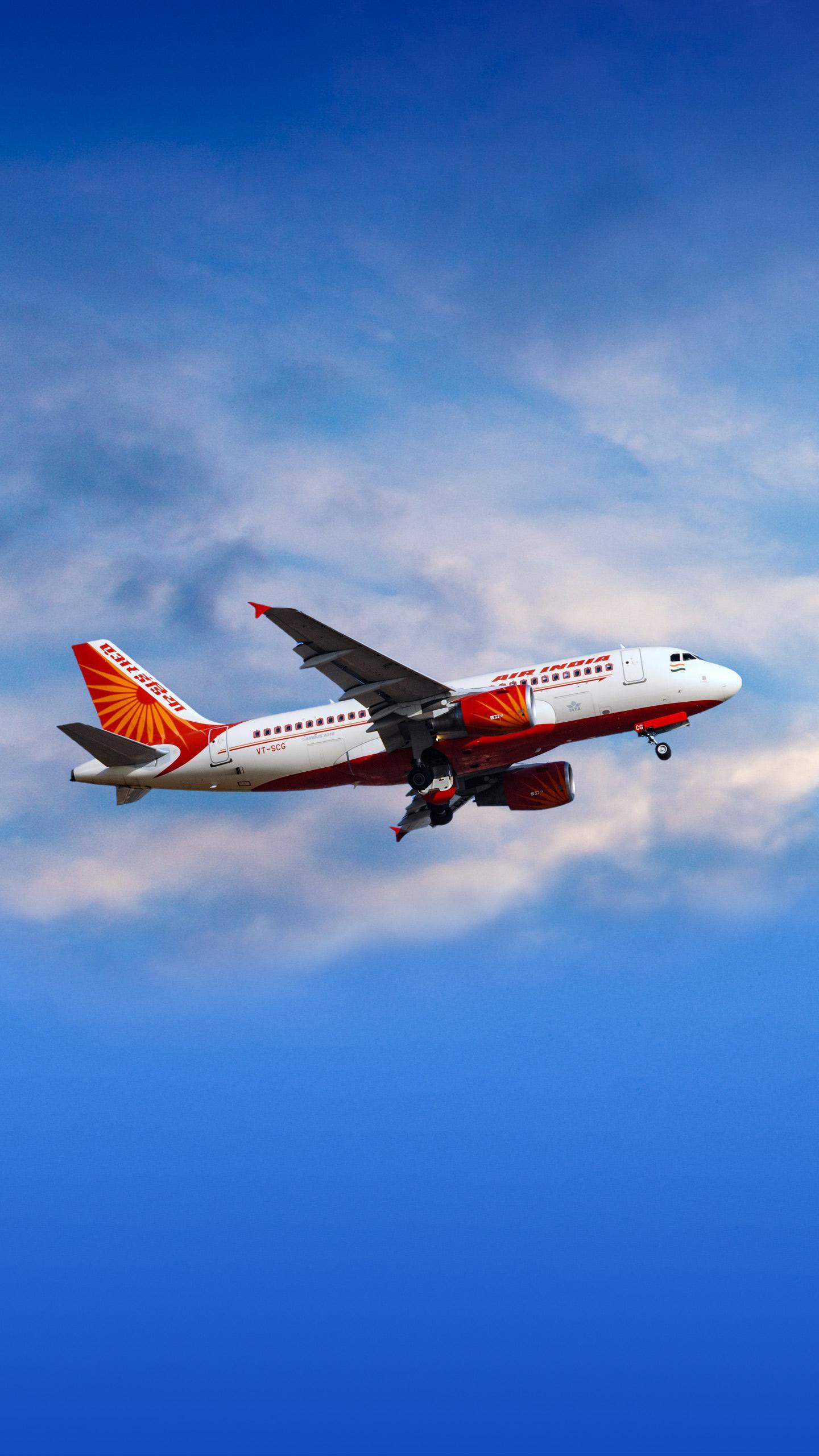
Air India has reinstated nonstop services on all four of its Delhi/Mumbai–New York routes, following the reopening of previously restricted Iraqi airspace. This restoration eliminates the need for refueling
stops in Rome, cutting affected journey times by up to five hours. Flights that previously took approximately 22 hours now operate in about 17 hours. The airline maintains daily Delhi–JFK and Mumbai–JFK services, along with four weekly Delhi–Newark and three weekly Mumbai–Newark flights. Delhi services utilize Airbus A350–900 aircraft, while Mumbai services operate with Boeing 777–300ERs. This move re-establishes direct connectivity to both New York-area airports, benefiting travel trade bookings across Air India's key India–U.S. network routes.
Why It's Important?
This development is highly significant for U.S. travelers and businesses with connections to India. The reduction of up to five hours in flight time makes travel between India and the U.S. considerably more efficient and less arduous. For business travelers, this means less time spent in transit and more productive time at their destinations. For leisure travelers, it translates to a more comfortable and convenient journey. The restoration of nonstop services also enhances the competitiveness of Air India on these crucial routes, potentially leading to increased passenger traffic and economic benefits for both the airline and the U.S. travel industry. Furthermore, it improves connectivity for the Indian diaspora in the U.S., facilitating easier visits to their home country. The use of modern aircraft like the Airbus A350–900 and Boeing 777–300ER also suggests an improved passenger experience.
What's Next?
The restoration of these nonstop routes is expected to solidify Air India's position in the competitive India-U.S. aviation market. Passengers can anticipate continued reliable and faster travel options between these key destinations. The airline's ongoing transformation efforts, including fleet modernization and network expansion, suggest a commitment to enhancing its global services. This could lead to further improvements in flight frequencies, additional direct routes, or upgraded in-flight amenities on these U.S. routes. Other airlines operating similar routes may also adjust their strategies in response to Air India's enhanced efficiency, potentially leading to increased competition and benefits for consumers in terms of pricing and service quality. The stability of geopolitical factors affecting airspace will remain crucial for maintaining these optimized travel times.
Beyond the Headlines
Beyond the immediate travel time savings, this development reflects the broader geopolitical dynamics that influence global aviation. The reopening of Iraqi airspace underscores how regional stability can directly impact international travel routes and efficiency. For the U.S., improved air connectivity with India can foster stronger economic and cultural ties, facilitating trade, tourism, and educational exchanges. It also highlights the strategic importance of direct flights in a globalized world, where time is a critical commodity. The airline's ability to adapt to geopolitical changes and optimize its routes demonstrates resilience and a commitment to passenger service. This could also influence future decisions by other airlines regarding route planning and investment in long-haul aircraft capable of sustained nonstop operations, further shaping the landscape of international air travel.