



What's Happening?
By 2027, edible gardens are projected to evolve beyond traditional vegetable patches, integrating herbs, edible flowers, berries, and fruit bushes into ornamental borders. This trend aims to make gardens productive
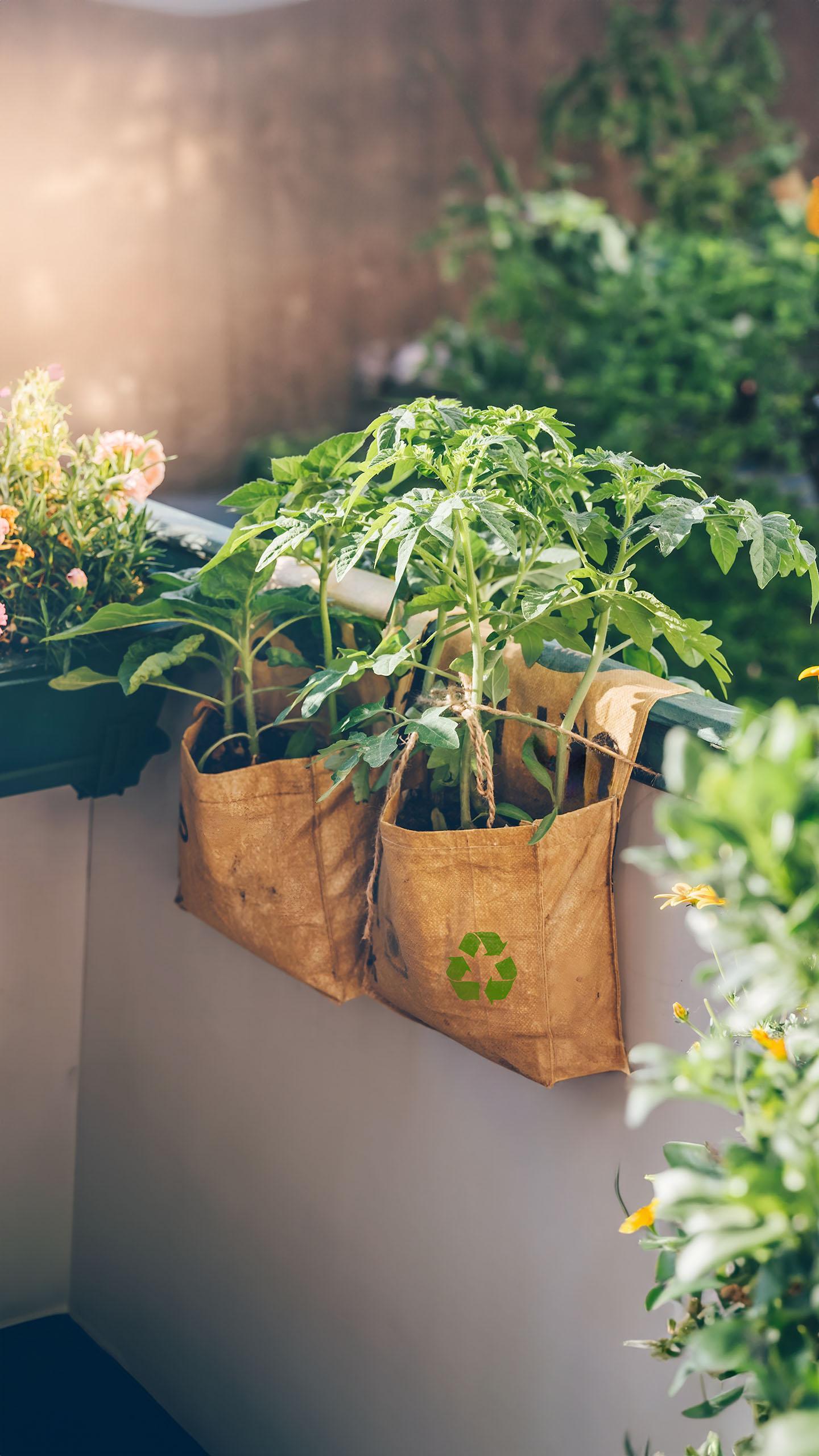
without separating food growing from decorative elements. Plants like rosemary, thyme, lavender, colorful chard, and various fruit bushes are being woven into existing planting schemes. Additionally, tabletop vegetable gardens are gaining popularity, enabling the cultivation of compact chillies, miniature aubergines, dwarf tomatoes, and herbs in smaller spaces such as balconies and patios. This approach makes edible gardening more accessible, especially for individuals with limited space or those who find traditional gardening physically challenging. The shift emphasizes making food growing prettier and more convenient, allowing edible plants to contribute to the overall garden design rather than being hidden away.
Why It's Important?
This shift in edible gardening is significant for several reasons. It promotes sustainable living by encouraging more individuals to grow their own food, potentially reducing reliance on commercial food supply chains and lowering carbon footprints associated with food transportation. For urban dwellers and those with smaller properties, the rise of tabletop and integrated edible gardens offers practical solutions to engage in gardening, fostering a connection to nature and food production that might otherwise be inaccessible. Economically, this trend could boost demand for specific types of seeds, compact gardening tools, and attractive planters, creating new market opportunities for gardening suppliers. Socially, it encourages healthier eating habits by making fresh produce readily available and can serve as an educational tool for families to learn about food origins and cultivation. The aesthetic integration also means gardens can be both beautiful and functional, enhancing property values and personal enjoyment.
What's Next?
Looking ahead, the integration of edible plants into ornamental landscapes is expected to continue, with more gardeners experimenting with diverse edible varieties that also offer aesthetic appeal. Horticultural suppliers will likely expand their offerings of edible plants suitable for mixed borders and compact growing conditions. Educational workshops and resources focusing on integrated edible garden design and tabletop gardening techniques are also anticipated to increase, catering to a growing interest in these methods. Furthermore, innovations in container design and vertical gardening systems could further support the expansion of edible gardens in urban environments. The trend may also influence landscape architecture, with more designs incorporating food-producing elements as a standard feature rather than an afterthought, potentially leading to a broader acceptance of 'foodscaping' in residential and public spaces.
Beyond the Headlines
Beyond the immediate trends, the evolution of edible gardens reflects a deeper cultural shift towards self-sufficiency, sustainability, and a desire for greater connection with nature. This movement challenges traditional notions of garden aesthetics, where beauty and utility were often separated. It highlights a growing awareness of food security and the environmental impact of industrial agriculture, encouraging a more localized and personal approach to food production. Ethically, it promotes a more mindful consumption, as individuals become more involved in the growth cycle of their food. Legally, this could lead to changes in homeowner association rules that sometimes restrict vegetable gardens, as integrated edible landscapes become more widely accepted and appreciated for their aesthetic value. Culturally, it signifies a return to traditional practices of growing food, reinterpreting them for modern lifestyles and urban settings, fostering a sense of community and shared knowledge among gardeners.