


What's Happening?
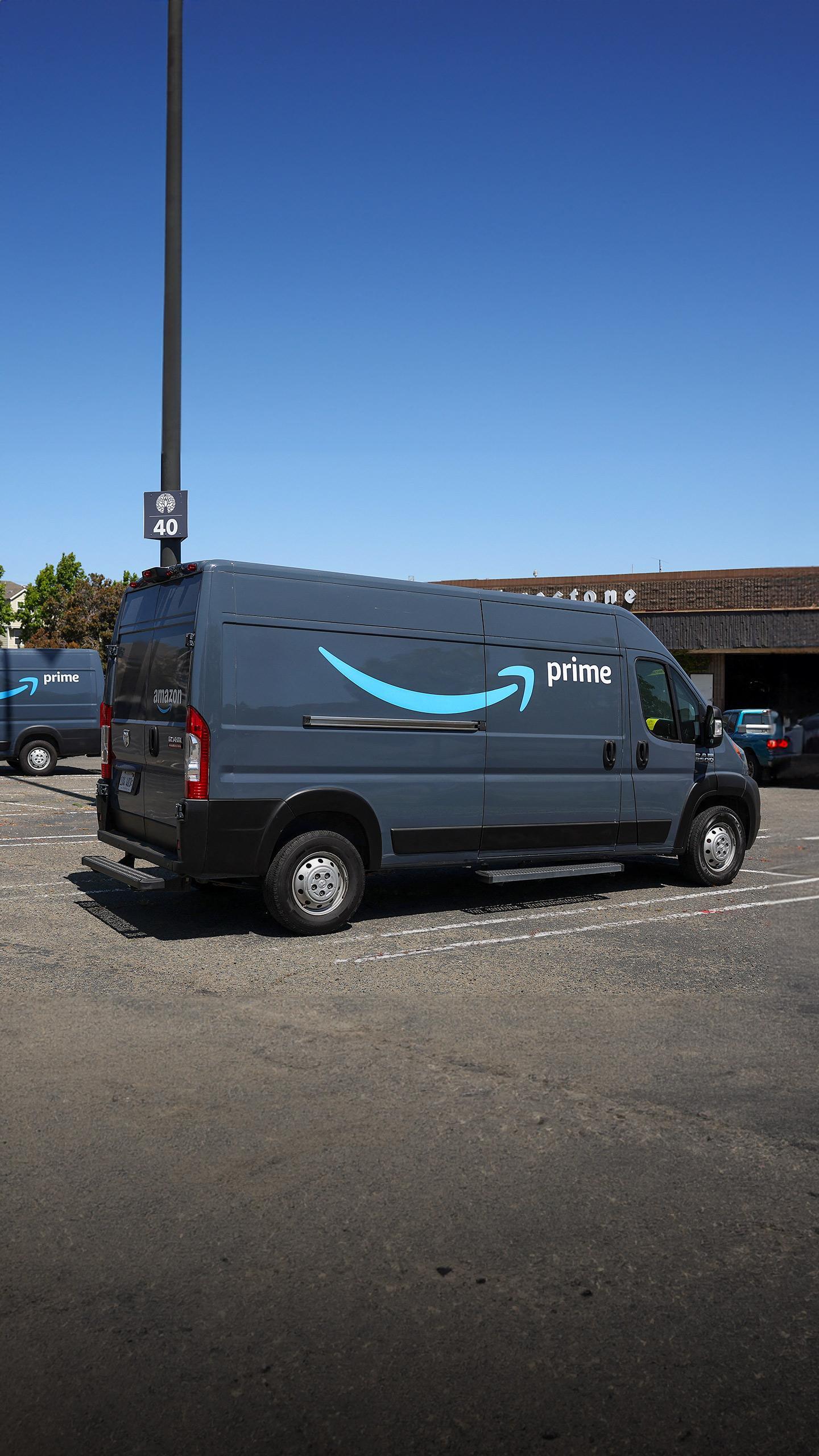
Amazon has launched private-label prepared meals through its Amazon Grocery Same-Day Delivery and Amazon Now 30-minute delivery platforms. This new offering includes breakfast, lunch, and dinner options,
all priced at $8 or less. Examples of these meals range from an Uncured Bacon Breakfast Burrito to Spaghetti and Angus Meatballs. Additionally, Amazon-owned Whole Foods Market is now offering prepared holiday side dishes, such as Creamy Mashed Yukon Gold Potatoes and Herb Stuffing, for same-day delivery. According to Jason Buechel, vice president of Amazon Worldwide Grocery Stores, this initiative aims to provide customers with convenient, high-quality meals without the hassle of cooking or the expense of takeout, allowing them to add these items to their regular Amazon orders for same-day delivery. Amazon states it is the fastest-growing grocer in the U.S. and the second largest overall.
Why It's Important?
This expansion by Amazon signifies a strategic move to capture a larger share of the prepared meal and grocery delivery market, intensifying competition within the U.S. retail sector. By offering affordable, ready-to-eat options and integrating Whole Foods' holiday offerings, Amazon is directly addressing consumer demand for convenience and value, particularly as spending habits evolve. This could impact traditional grocery stores and meal kit services, potentially shifting consumer preferences towards integrated online platforms that offer a wider range of products with rapid delivery. The move also highlights Amazon's aggressive growth strategy in the grocery sector, aiming to solidify its position against competitors like Walmart, which has also been expanding its meal and grocery delivery services, including partnerships with Subway and Dunkin'.
What's Next?
The introduction of private-label prepared meals and Whole Foods holiday sides for same-day delivery is likely to further accelerate Amazon's growth in the U.S. grocery market. This initiative could prompt other major retailers to enhance their own prepared meal and rapid delivery options to remain competitive. Consumers can expect to see more diverse and convenient food delivery choices as companies vie for market share. Amazon's continued investment in its grocery delivery infrastructure, including its 30-minute delivery program, suggests a future where quick and comprehensive online grocery shopping becomes even more commonplace, potentially leading to further innovation in delivery logistics and product offerings across the industry.
Beyond the Headlines
This development reflects a broader shift in consumer behavior towards on-demand services and a blurring of lines between traditional grocery shopping, restaurant takeout, and meal preparation. The emphasis on convenience and affordability for prepared meals could reshape daily eating habits, potentially reducing home cooking for some demographics. From an economic perspective, it could create new job opportunities in logistics and food preparation while also putting pressure on smaller, independent food businesses that may struggle to compete with the scale and delivery capabilities of giants like Amazon. The integration of Whole Foods' offerings also leverages Amazon's existing assets, demonstrating a strategy of cross-platform synergy to maximize market penetration and customer loyalty.