



What's Happening?
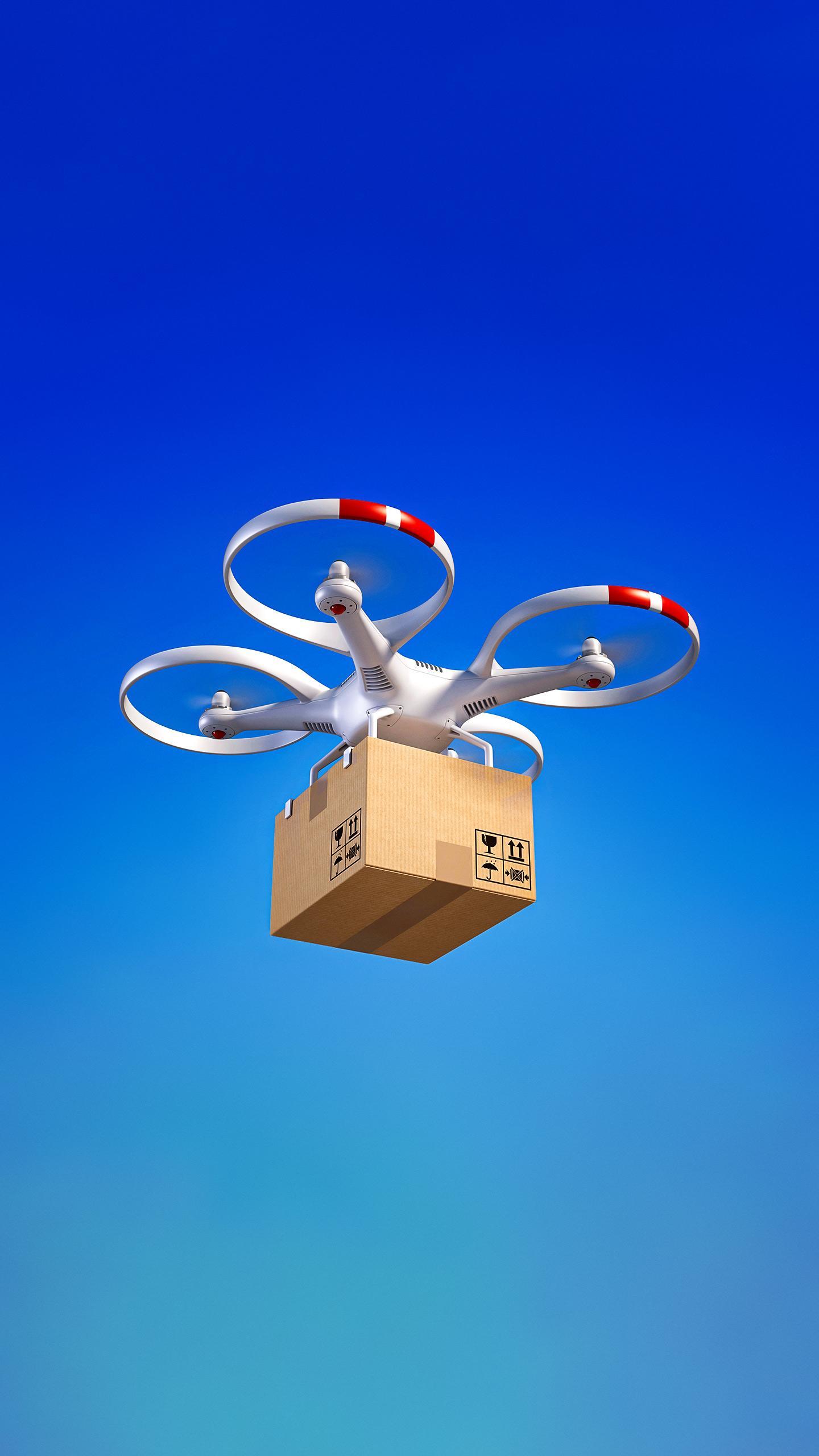
Autonomous drone delivery company Zipline and restaurant chain Chipotle have successfully completed what they describe as the first drone food delivery in PGA Tour history. The delivery occurred during
a practice round in Austin, Texas, where freshly prepared meals were delivered to professional golfers Joel Dahmen and Mark Hubbard. The drones delivered the meals to the 18th hole of the Fazio Canyons course at Omni Barton Creek Resort & Spa. Dahmen received a steak bowl with chips and Queso Blanco, while Hubbard ordered a steak burrito with guacamole. This event marks an expansion of Chipotle's partnership with Zipline, which began in 2025, aiming to extend delivery services beyond traditional locations to include areas like backyards and public parks. Currently, Zipline's drone food delivery service is available to Chipotle customers in Dallas and Austin, Texas. Arlie Sisson, chief digital officer at Chipotle, emphasized that this initiative redefines convenience by bringing Chipotle to guests in unexpected locations.
Why It's Important?
This drone delivery milestone by Zipline and Chipotle signifies a notable advancement in the logistics and food service industries within the U.S. It demonstrates the practical application of autonomous aerial delivery systems in challenging and non-traditional environments, such as golf courses, which are typically inaccessible to conventional road-based delivery services. For Chipotle, this initiative enhances its brand image as an innovator and expands its reach to a broader customer base, offering unparalleled convenience. For Zipline, it showcases the reliability and versatility of its drone technology, potentially opening doors for partnerships with other businesses looking to overcome logistical hurdles. This development could accelerate the adoption of drone delivery services across various sectors, impacting urban planning, last-mile delivery strategies, and consumer expectations for speed and accessibility. It also highlights the growing integration of technology into everyday services, pushing the boundaries of what is considered possible in food delivery.
What's Next?
The successful drone delivery on a PGA Tour course could pave the way for broader implementation of drone delivery services in other unique or hard-to-reach locations across the U.S. Chipotle and Zipline may look to expand their drone delivery zones beyond Dallas and Austin, potentially targeting other major metropolitan areas or specialized venues. Other food service companies and logistics providers will likely observe this development closely, potentially investing in similar drone technologies to enhance their own delivery capabilities and gain a competitive edge. Regulatory bodies may also face increased pressure to develop and refine guidelines for commercial drone operations, ensuring safety and efficiency as these services become more prevalent. This could lead to further innovation in drone technology, including increased payload capacity, longer range, and improved navigation systems, ultimately transforming the landscape of last-mile delivery.
Beyond the Headlines
The integration of drone delivery into everyday services, as demonstrated by Zipline and Chipotle, raises several deeper implications. Ethically, it prompts discussions about privacy concerns related to drones operating over private properties and public spaces, as well as potential noise pollution in residential areas. Legally, it highlights the evolving need for comprehensive airspace regulations that balance innovation with public safety and individual rights. Culturally, the sight of drones delivering food could become a normalized aspect of urban and suburban life, fundamentally altering consumer expectations for convenience and speed. This shift could also impact traditional delivery jobs, necessitating a re-evaluation of labor markets and the potential for new roles in drone operation and maintenance. Long-term, the widespread adoption of drone delivery could contribute to reduced road traffic congestion and lower carbon emissions from traditional delivery vehicles, offering environmental benefits while simultaneously presenting new challenges for urban infrastructure and community planning.