


What's Happening?
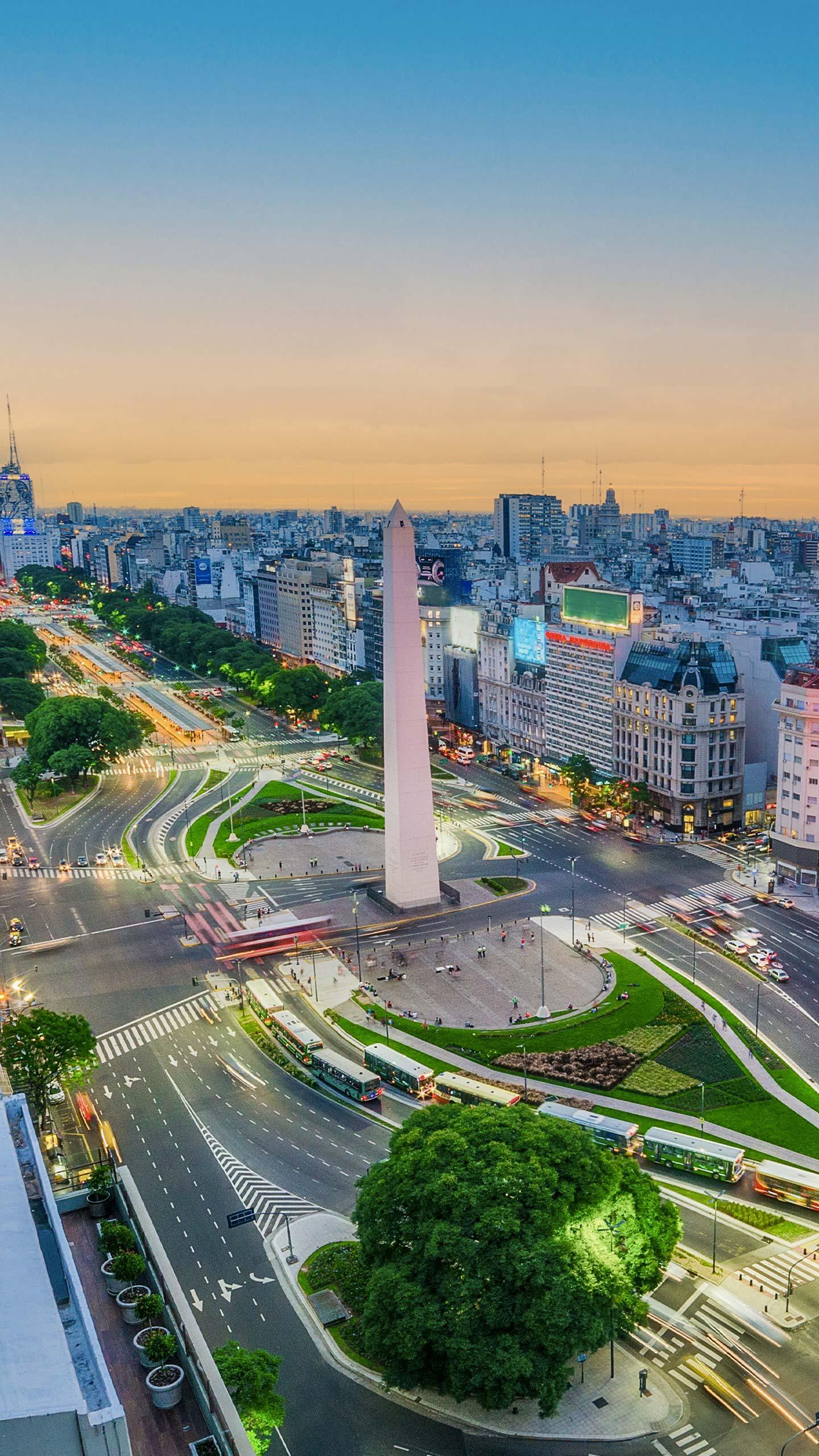
Buenos Aires, Argentina, is gaining recognition as a leading global city for Spanish language study and cultural immersion. The city serves as Argentina's political, economic, and cultural hub, offering
a vibrant environment for international students and visitors. Its unique Rioplatense Spanish dialect, characterized by the use of 'vos' instead of 'tú' and distinct pronunciations, is widely understood across Latin America. The city's affordability compared to many European and North American capitals, particularly in terms of rent, public transportation, and cultural activities, makes it an attractive destination. Daily life in Buenos Aires is rich with social gatherings, shared meals, the widespread custom of drinking mate, and a strong emphasis on football, music, and cultural events. The city's cultural scene is vibrant and accessible, encompassing music, literature, film, food, and everyday street life, all contributing to an immersive learning experience. Safety in Buenos Aires is generally considered good by international standards, though visitors are advised to take typical precautions against petty theft in crowded areas.
Why It's Important?
The growing appeal of Buenos Aires as a study abroad destination has significant implications for cultural exchange and language education. For U.S. students, particularly those pursuing Spanish minors or careers requiring bilingualism, the opportunity to immerse themselves in a Spanish-speaking environment like Buenos Aires offers invaluable practical experience. This direct exposure to the language and culture can significantly enhance linguistic proficiency and cultural understanding, which are increasingly vital in a globalized world. The affordability of Buenos Aires also makes international education more accessible to a broader range of students, potentially increasing participation in study abroad programs. Furthermore, the city's rich cultural tapestry, from tango to its unique culinary scene, provides a holistic educational experience that extends beyond the classroom, fostering global citizenship and cross-cultural communication skills. This trend could lead to stronger educational and cultural ties between the U.S. and Argentina, benefiting both nations through enhanced understanding and collaboration.
What's Next?
As Buenos Aires continues to solidify its reputation as a prime location for Spanish language study, it is likely to attract an increasing number of international students and educational programs. Universities and language institutes may expand their offerings and partnerships in the city to meet this growing demand. The city's government and tourism sector could further capitalize on this trend by promoting educational tourism and developing more resources tailored to international students. This could include enhanced safety initiatives, cultural integration programs, and support services for foreign residents. The continued influx of students and visitors will also likely stimulate the local economy, particularly in sectors such as hospitality, education, and cultural services. Additionally, the exposure of more international individuals to Argentine culture and the Rioplatense dialect could contribute to its global recognition and appreciation.
Beyond the Headlines
The phenomenon of Buenos Aires as a language immersion hub highlights broader trends in global education and cultural soft power. Language learning, particularly in an immersive setting, goes beyond mere vocabulary and grammar acquisition; it fosters empathy, critical thinking, and a deeper understanding of diverse perspectives. The choice of Buenos Aires, with its distinct cultural identity and Spanish dialect, underscores a shift away from solely European-centric language education towards a more global and diverse approach. This also reflects the increasing recognition of Latin America's cultural and economic significance. The personal transformations experienced by students, such as improved language skills and broadened worldviews, contribute to a more interconnected and understanding global society. This trend also subtly challenges traditional notions of cultural dominance, promoting a more equitable exchange of cultural values and linguistic practices on the international stage.