


What's Happening?
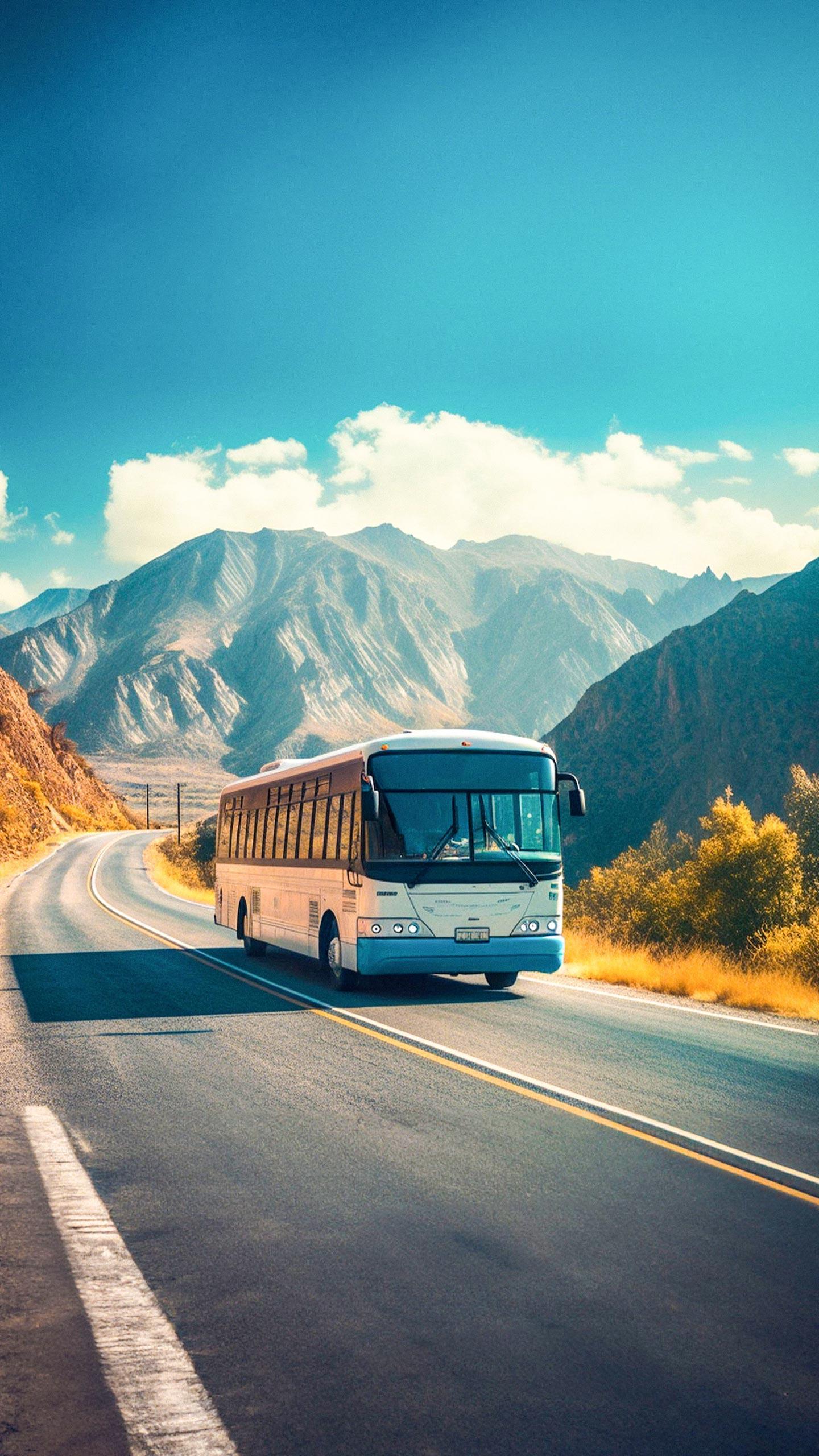
Colorado is enhancing its public transportation network, offering numerous car-free travel options for both residents and tourists. The state's most extensive bus network, Bustang, provides routes to major
tourist destinations and local towns including Durango, Crested Butte, Telluride, Vail, and Grand Junction. Bustang also operates the Snowstang line, serving ski resorts like Copper Mountain and Breckenridge, with some routes being seasonal or utilizing vans. For longer-distance travel, Amtrak offers two cross-country lines through Colorado: the California Zephyr and the Southwest Chief. The California Zephyr connects Chicago to San Francisco, stopping in northern Colorado cities such as Denver and Glenwood Springs. The Southwest Chief runs from Chicago to Los Angeles, with stops in southern Colorado including Trinidad and Lamar. Additionally, specialized mountain shuttles like Epic Mountain Express and Home James provide direct airport transfers to ski resorts and mountain towns, catering to the state's outdoor adventure tourism. Local transit authorities and trailhead shuttles further extend accessibility to hiking areas and recreational sites across various counties.
Why It's Important?
The expansion and promotion of car-free travel options in Colorado are significant for several reasons. Environmentally, it aims to reduce carbon emissions and traffic congestion in popular tourist areas, aligning with broader sustainability goals. Economically, it makes Colorado's attractions more accessible to a wider range of visitors, including international travelers who may prefer not to rent a car, potentially boosting tourism revenue. According to the International Trade Administration, Colorado was the 18th most visited state by international travelers in 2025, but Brand USA indicates it is the 9th most desired destination, highlighting a gap in accessibility that these transit options aim to bridge. Improved public transit also benefits local communities by providing essential services and connections between towns, reducing reliance on personal vehicles. This initiative could serve as a model for other states looking to enhance tourism and reduce environmental impact through integrated public transportation systems.
What's Next?
Colorado's ongoing efforts to expand public transportation suggest a continued focus on improving accessibility and sustainability. Future developments may include further integration of bus and train services, expansion of seasonal routes, and increased funding for local transit initiatives. The success of current programs like Bustang and Amtrak's Colorado lines could lead to more frequent services or new routes to underserved areas. Stakeholders, including state transportation departments, tourism boards, and local communities, will likely monitor ridership and economic impact to inform future planning. There may also be continued advocacy for legislative support, such as the Transit to Trails Act, to further enhance access to outdoor recreational areas. As more travelers seek sustainable and convenient ways to explore the state, Colorado's public transit network is poised for further evolution and growth.
Beyond the Headlines
The push for car-free travel in Colorado reflects a broader societal shift towards sustainable tourism and reduced environmental footprints. Beyond the immediate benefits of convenience and reduced emissions, this initiative addresses the challenge of balancing tourism growth with environmental preservation in sensitive natural landscapes. It also highlights the evolving expectations of modern travelers, who increasingly prioritize eco-friendly options and seamless travel experiences. The integration of various transit modes—statewide buses, cross-country trains, mountain shuttles, and local services—demonstrates a comprehensive approach to mobility that could influence urban and regional planning in other states. This strategy also touches upon social equity, ensuring that access to Colorado's natural beauty and economic opportunities is not solely dependent on car ownership, thereby broadening participation in the state's vibrant tourism economy and outdoor lifestyle.