



What's Happening?
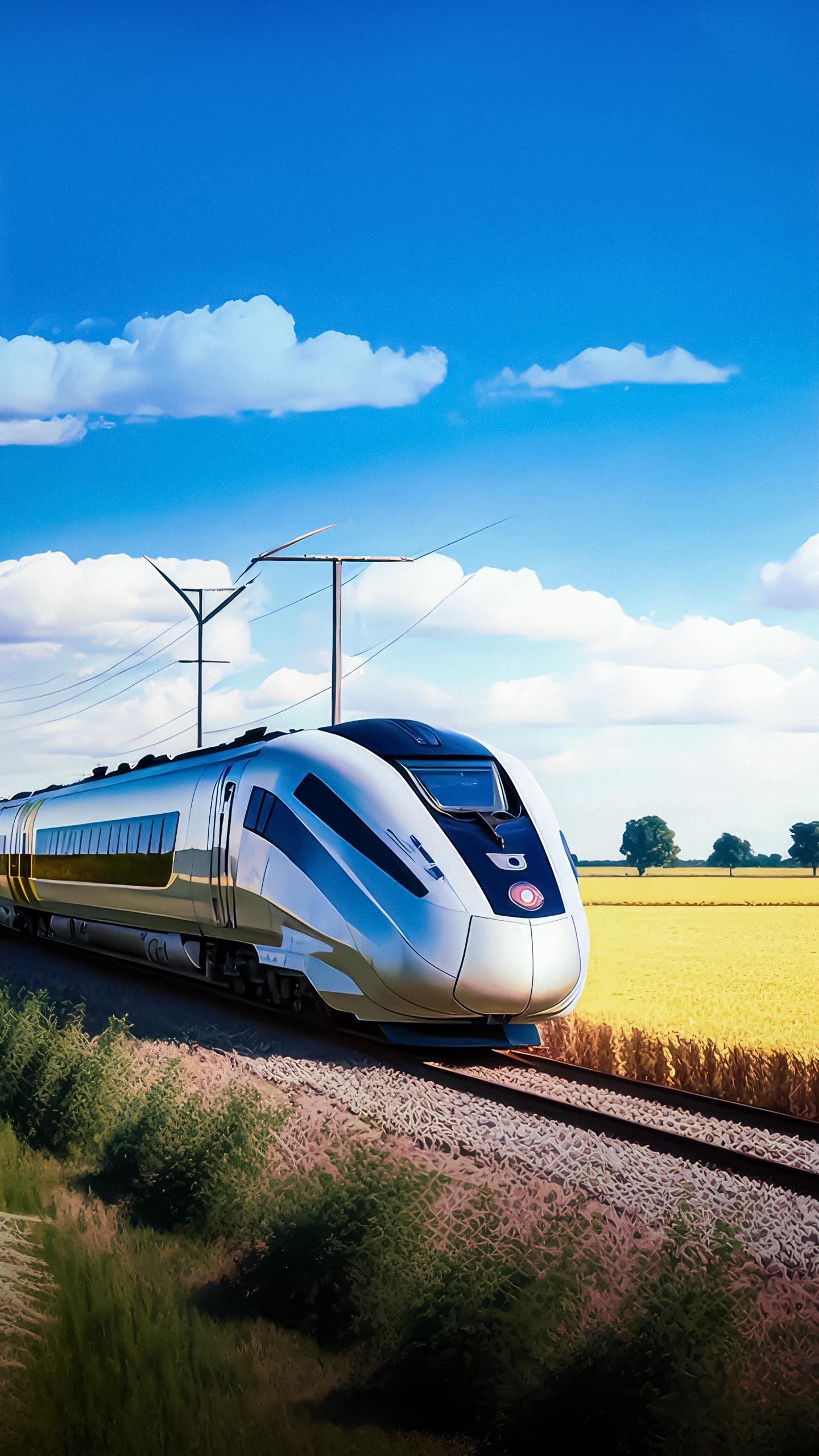
The Acela Express, operated by Amtrak, provides the fastest rail service between Boston, Massachusetts, and New York City. This high-speed train operates on a dedicated corridor, reducing the typical four-hour
drive to approximately three and a half hours. The service is crucial for connecting two major financial and cultural hubs in the Northeast Corridor. Acela trains utilize advanced signaling and banked curves to achieve top speeds, offering a smoother and quicker journey compared to conventional trains. The route incorporates upgraded legacy lines and purpose-built high-speed segments, particularly between Boston and New Haven, and from New Haven to New York, where the train often reaches its maximum operating speeds. This infrastructure investment reflects decades of planning aimed at transforming the Northeast Corridor into a globally competitive rail link. The service runs from Boston’s South Station to New York’s Penn Station, with limited stops at major hubs to maintain schedule integrity and attract business travelers. Departures are scheduled throughout the day, with reinforced services during peak hours to accommodate demand from financial districts and academic institutions.
Why It's Important?
The Acela service plays a significant role in regional connectivity and economic resilience along the Northeast Corridor. By linking Boston's technology and education sectors with New York's finance, media, and legal industries, it facilitates essential face-to-face collaboration that virtual meetings cannot fully replicate. This reinforces the Northeast's status as a cohesive economic region. Environmentally, Acela rail travel generates a fraction of the carbon emissions per passenger mile compared to driving or flying. This shift of commuters and leisure travelers from highways and short-hop flights contributes to reduced congestion and lower regional emissions, aligning with broader state and federal goals for sustainable transportation. The service's efficiency and predictability make it a strategic option for time-sensitive travelers, offering a competitive alternative to the volatility of car travel and the time-consuming processes associated with air travel. The ability for passengers to work uninterrupted during their journey adds significant value, often outweighing the higher fare for business travelers.
What's Next?
Amtrak has outlined future plans to enhance the Acela service, which include refreshing equipment, expanding frequencies, and further integrating digital tools for booking and real-time updates. The introduction of newer trainsets is expected to improve reliability and the overall passenger experience, while continuing to leverage the corridor principles that define current operations. These enhancements are designed to make the Boston to New York journey even more appealing to a wider audience. As regional policies increasingly prioritize lower-carbon travel options, Acela is positioned to be a core asset in the transportation mix. Continued investment in signaling technology, track upgrades, and station facilities will be critical in determining whether the service can meet growing demand without compromising its primary advantages of speed and dependability between these two vital Northeast cities.
Beyond the Headlines
The Acela's operational model highlights a broader trend in urban planning and transportation strategy: the development of high-speed rail as a critical component of inter-city mobility. Its success in the Northeast Corridor demonstrates the potential for rail to compete effectively with air and road travel by offering a balance of speed, comfort, and environmental benefits. This model could influence future infrastructure investments in other densely populated U.S. corridors, promoting a shift towards more sustainable and efficient transportation networks. The service also underscores the economic interdependence of major metropolitan areas, where efficient transit links are not just a convenience but a necessity for maintaining competitive advantages and fostering economic growth. The continuous evolution of Acela, with its focus on technological upgrades and passenger experience, reflects a commitment to modernizing public transportation to meet the demands of a dynamic economy and an environmentally conscious society.