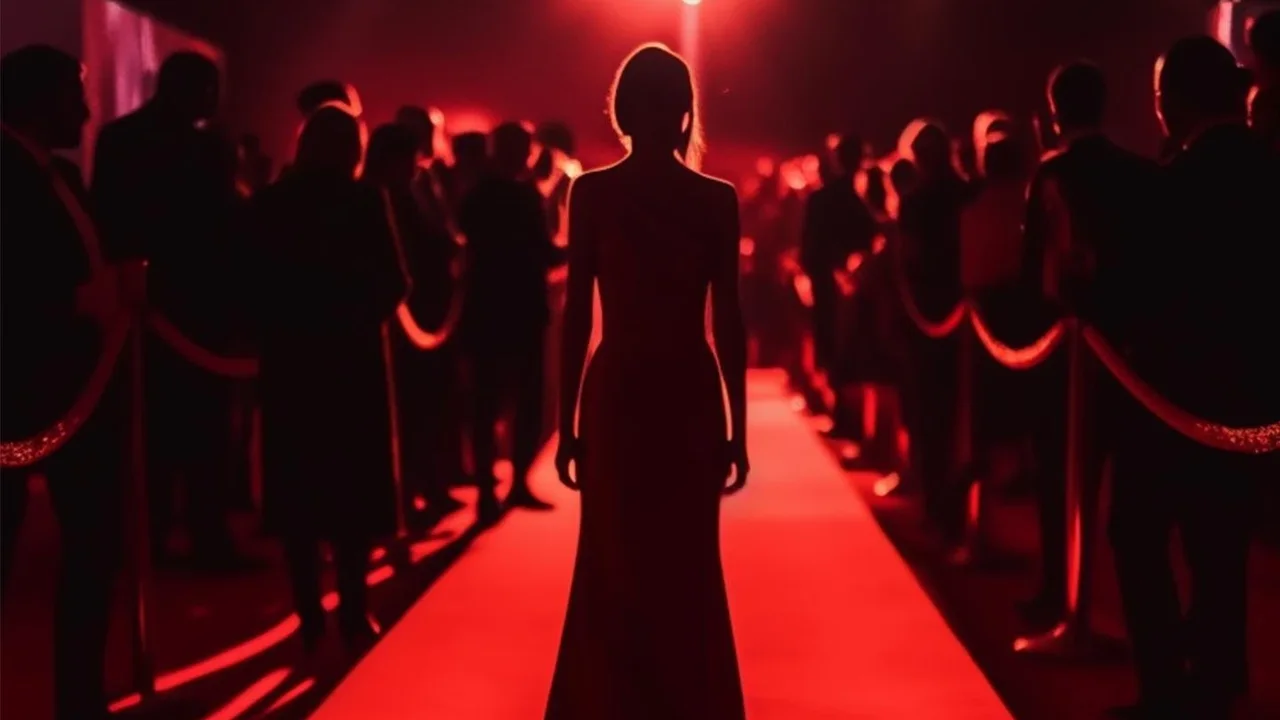

It’s a red carpet, but not just any red carpet. The flashbulbs are just as bright, but the pressure is different. This is the unique challenge of the art gala, where fashion must be impactful without overshadowing the art it’s there to celebrate.
A Different Kind of Spotlight
For a
stylist, an awards show like the Oscars is a championship game. The goal is often clear: land on a best-dressed list, create a viral moment, or embody a 'movie star' ideal that feels both aspirational and commercially powerful. The audience is global, and the critique is broad. An art gala, whether it's the annual LACMA Art+Film Gala in Los Angeles or a high-profile museum benefit in New York, operates under a different set of unwritten rules. The primary audience isn't just the public, but a more specific crowd of artists, curators, philanthropists, and gallery owners. For them, fashion isn't just about glamour; it’s about taste, intelligence, and cultural fluency. The goal isn't to be the loudest voice in the room, but to offer the most interesting contribution to the conversation.
Dressing for the 'Art Gaze'
This unique context gives stylists and their clients permission to be more adventurous. A dress that might be deemed too conceptual, too architectural, or too 'fashion-y' for the Golden Globes can be the perfect choice for an art gala. Stylists often pull looks from more avant-garde designers or even select archival, museum-quality pieces that tell a story. It’s an opportunity to demonstrate a deeper understanding of fashion as an art form itself. The calculus changes from 'Will this look good in a photo?' to 'Does this look honor the spirit of the event?' A successful gala look often has a sculptural quality, an interesting texture, or a thought-provoking silhouette that feels like a nod to the creative environment of the museum or gallery hosting the event.
Navigating Themes and Tone
Many art galas have a theme, with the Met Gala being the most famous example. Here, the stylist's job becomes even more complex: interpret the theme in a way that is clever and respectful, but still feels authentic to the celebrity's personal brand. It's a tightrope walk between a costume and a couture statement. But even at galas without an explicit theme, there is an assumed one: 'contemporary elegance with an edge'. Stylists must read the room, considering the specific institution and its aesthetic. A fundraiser for a modern art museum might call for a bolder, more deconstructed look than a gala at a historical society. Ignoring this subtext is the fastest way to look out of place, no matter how expensive the dress.
The Collaborative Masterpiece
The best art gala looks are born from a strong collaboration between the stylist, the celebrity, and the fashion designer. While an actress might need a universally appealing gown for an awards campaign, a gala allows her to step into a different role. It’s a chance to align with a designer who is known for pushing boundaries, effectively co-signing their artistic vision. The stylist acts as the crucial bridge, identifying a look that serves the celebrity’s image, respects the event’s purpose, and champions a designer’s artistry. It’s less about a simple transaction and more about creating a moment of synergy where the wearer, the garment, and the venue are all in perfect harmony. These riskier choices can pay off, cementing a celebrity's status as a true fashion arbiter, not just a clotheshorse.