
The red, white, and blue flag is instantly recognizable. For decades, Tommy Hilfiger has been a pillar of American style, but its identity is a fascinating paradox. It’s the brand of both country club cookouts and 90s hip-hop videos.
The Original Ivy League Playbook
Before Tommy Hilfiger,
there was just 'prep'. Born on the campuses of elite Ivy League universities in the early-to-mid 20th century, preppy style was the unofficial uniform of the American upper class. It was a look rooted in tradition, leisure, and East Coast old money. Think chinos, tweed jackets, boxy sack suits, and boat shoes, often from heritage brands like Brooks Brothers and J. Press that set up shop right on campus at Yale and Princeton. This 'Ivy style' was less about fashion and more about signaling a certain kind of belonging—a clean-cut, privileged, and distinctly white, Anglo-Saxon Protestant ideal. It was the aesthetic of the Kennedys, of summers in the Hamptons, and of a world far removed from the grit of urban America.
A Bolder American Classic
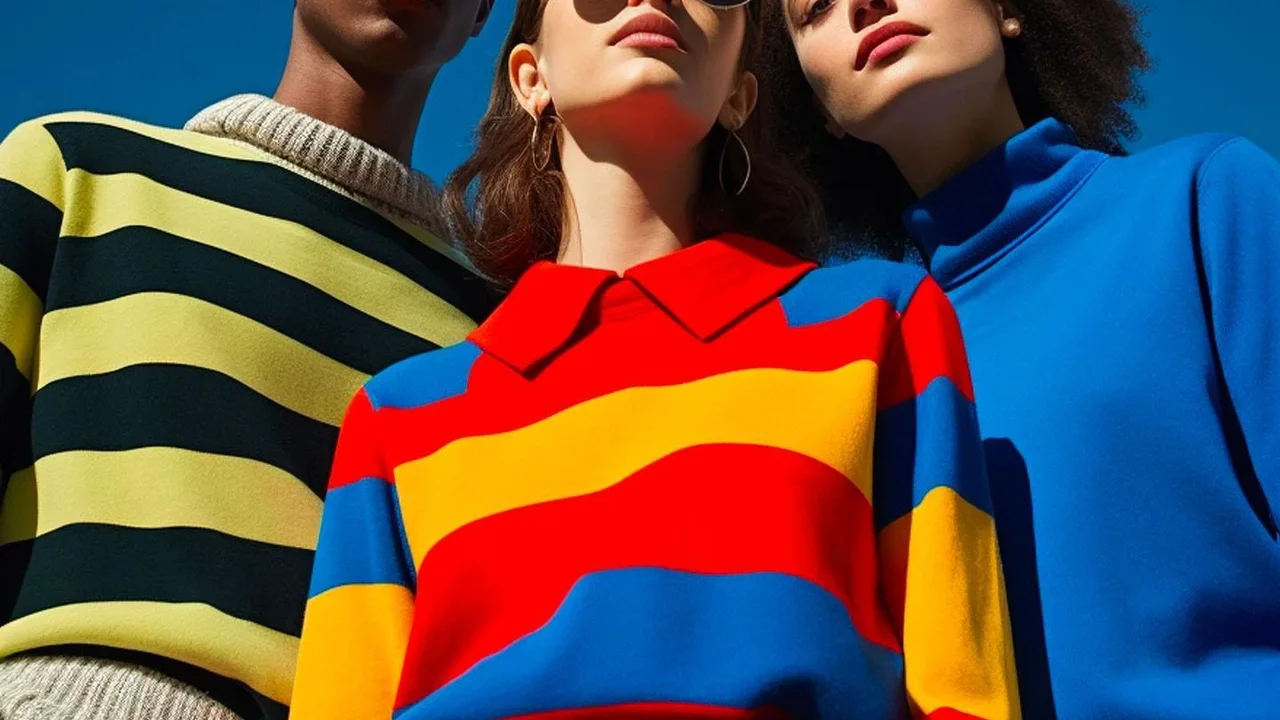
When Tommy Hilfiger launched his brand in 1985, his vision was to remix this established code. He took the foundational elements of prep—the polo shirts, the rugby stripes, the chinos—and supercharged them. The colors became brighter, the logos became bolder, and the silhouettes became more relaxed and oversized. An audacious early ad campaign famously placed him in the same league as designers like Ralph Lauren and Calvin Klein, announcing a new player had arrived. Hilfiger wasn't just recreating the Ivy League look; he was democratizing it, making it more vibrant, commercial, and accessible. He called it 'classic American cool', a style that maintained its preppy backbone but was built for a broader, more modern audience.
The 90s Hip-Hop Remix
The brand’s most significant transformation wasn't orchestrated in a boardroom; it happened organically on the streets. In the early 1990s, hip-hop artists and urban youth began adopting Tommy Hilfiger, drawn to the bright colors and prominent branding. They bought the clothes in larger sizes, creating a baggy, relaxed silhouette that redefined the traditionally staid preppy look. The pivotal moment came on a Saturday night in March 1994, when Snoop Dogg performed on 'Saturday Night Live' wearing an oversized Tommy Hilfiger rugby shirt. The next day, the shirt reportedly sold out across New York City. This was a game-changer. Soon, everyone from Aaliyah and Grand Puba to TLC were wearing the brand, cementing its status as a staple of 90s hip-hop fashion. Hilfiger smartly embraced this new audience, featuring artists in ad campaigns and runway shows, and forever linking his brand with music and culture.
The Wilderness and the Comeback
After the explosive success of the 90s, the brand faced a difficult period. Its deep association with hip-hop culture, which had fueled its meteoric rise, also led to a perception that it had strayed too far from its core identity. As trends shifted in the 2000s, Hilfiger struggled to find its footing. The brand eventually orchestrated a major comeback by returning to its roots while simultaneously embracing new cultural waves. High-profile collaborations with figures like Gigi Hadid and Zendaya created massive buzz and introduced the brand to a new generation. These partnerships weren't just about celebrity endorsements; they were about re-establishing the brand as a relevant cultural force, blending its heritage with a modern, global perspective.
Prep for Today's New York
So what does the prep uniform look like today, in the 'Downtown New York' of the headline? It's a style that’s been deconstructed and remixed once again. Recent collections and campaigns show a brand that continues to evolve, drawing inspiration from skate culture, outdoor gear, and even Formula 1 racing. The modern Hilfiger look is about relaxed silhouettes, comfortable layering, and a fluid approach to gender. The classic cable-knit sweater is still there, but it might be paired with baggy jeans or a racing-inspired varsity jacket. The brand's red, white, and blue DNA remains, but the context has shifted from the exclusive college campus to the inclusive, creative energy of a global city. It's prep that’s less about a uniform and more about a versatile grammar that anyone can adopt and make their own.