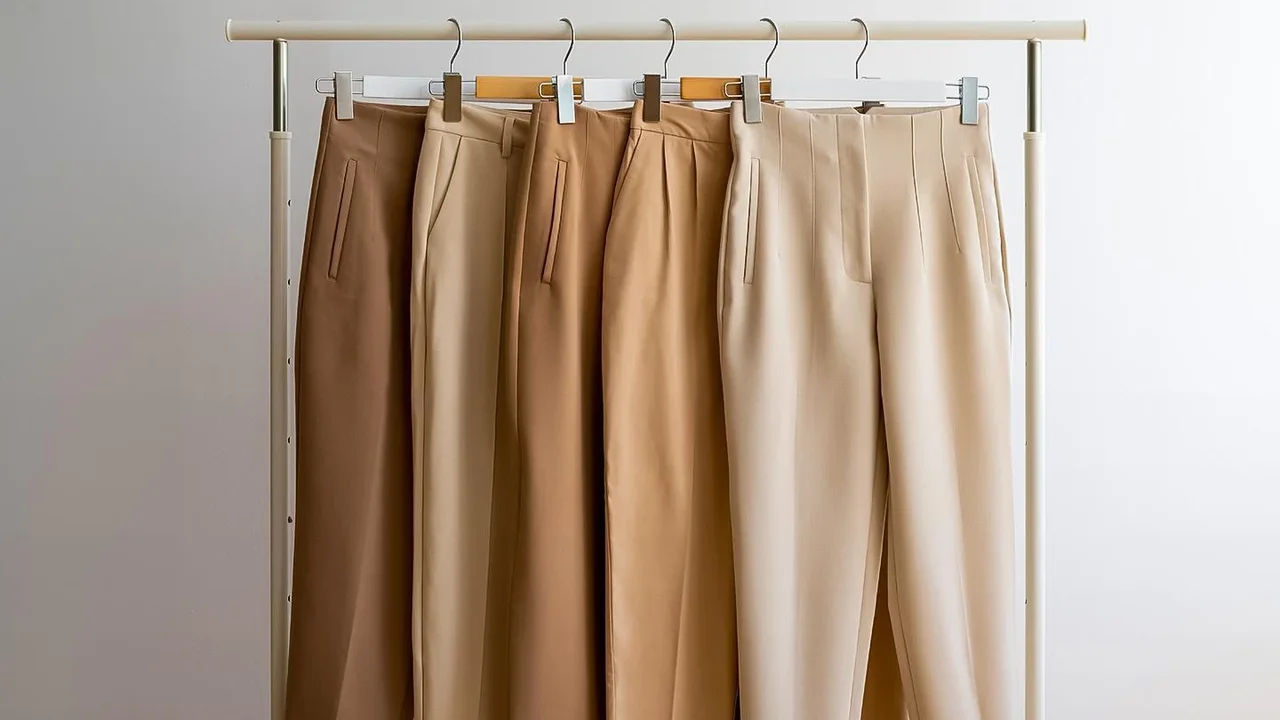

It’s a fundamental question every man faces when buying trousers: pleats or no pleats? For years, flat-fronts were the modern default, while pleats were dismissed as old-fashioned. But with pleats making a major comeback, the debate is back.
The Case for Flat-Front Trousers
For much of
the last two decades, flat-front trousers have been the undisputed champion of menswear. Their appeal is simple: they offer a clean, sharp, and modern silhouette. The fabric lies smooth from the waistband down over the fly, creating an uninterrupted line that is inherently slimming and easy to style. For men with a naturally slim or average build, flat-fronts are a no-brainer. They hug the body without constricting it, providing a tailored look that transitions effortlessly from a casual weekend chino to a formal business suit. Their minimalist design makes them a blank canvas, pairing well with everything from a simple t-shirt to a structured blazer. However, their clean lines are also their biggest limitation. For men with more athletic or larger thighs, flat-front trousers can pull across the lap when sitting and feel restrictive, disrupting that sleek silhouette.
The Misunderstood Virtue of Pleats
Pleats are not a decorative choice; they are a functional one. Those small folds of fabric stitched below the waistband are designed to expand, giving you more room in the hips, seat, and thighs right where you need it. This makes them significantly more comfortable, especially when sitting or moving. For men with athletic or fuller builds, pleats aren't just an option—they are often the solution to finding a perfect fit, providing necessary space in the legs without requiring a larger, ill-fitting waist. The bad reputation pleats earned comes from the oversized, baggy styles of the 80s and 90s. Today’s pleated trousers are different, often featuring a modern, tapered leg that offers room at the top while maintaining a clean line down to the ankle. When properly fitted, the pleats should lie flat when you are standing, only opening when you need the extra mobility.
The Verdict: Room, Not Bulk
Here is the definitive answer to the headline's question: pleated trousers create more room, and they do not have to create more bulk. The idea that pleats automatically add visual weight is a myth born from poorly fitted pants. In reality, bulk comes from excess fabric throughout the entire leg, not from the two small folds at the waist. In fact, a well-tailored pleated trouser can be more flattering than a tight flat-front pair. By providing extra space, pleats allow the fabric to drape cleanly from the waist down, rather than pulling and creasing across the thighs. For many body types, especially those that aren't stick-thin, the drape of a pleated trouser creates a more elegant and elongated silhouette. The key is ensuring the pants fit correctly at the waist and have a modern, tapered cut. If the pleats are splaying open while you stand, it means the trousers are too tight in the seat.
How to Choose the Right Style for You
The choice between front pleats and a flat front comes down to your body type and priorities. Choose flat_front trousers if you have a slim or average build and prefer a minimalist, modern aesthetic. They are the safe, versatile choice for a clean look. Choose pleated trousers if you have an athletic or larger build, or if you prioritize comfort and freedom of movement. They are particularly ideal for men who spend much of their day sitting. When trying pleats for the first time, look for a single pleat, which is more subtle than a double pleat. And regardless of style, always pay attention to the rise—the distance from the crotch to the waistband. Pleated trousers, in particular, look best with a medium or high rise, worn at your natural waist to allow the fabric to drape correctly and elongate your legs.