
For years, tonal dressing meant one thing: wearing the exact same color from head to toe. It was a simple formula for looking polished. But the most stylish dressers are rewriting the rules, shifting the focus from perfect matching to rich texture.
The Old Rules of Monochrome
Not
long ago, the height of monochromatic chic was a perfectly matched set. Think of a pantsuit where the blazer and trousers are cut from the exact same bolt of fabric, paired with a dyed-to-match shoe. The goal was seamless uniformity, an unbroken column of a single color. It was—and still can be—a powerful, visually striking way to get dressed. Done right, it communicates confidence and a certain pulled-together elegance. However, without careful styling, this approach can sometimes fall flat, creating a look that feels more like a uniform than a dynamic outfit. When every piece has the same surface quality, an outfit can lack the depth and dimension that makes style feel personal and engaging.
Enter the Age of Tactile Style
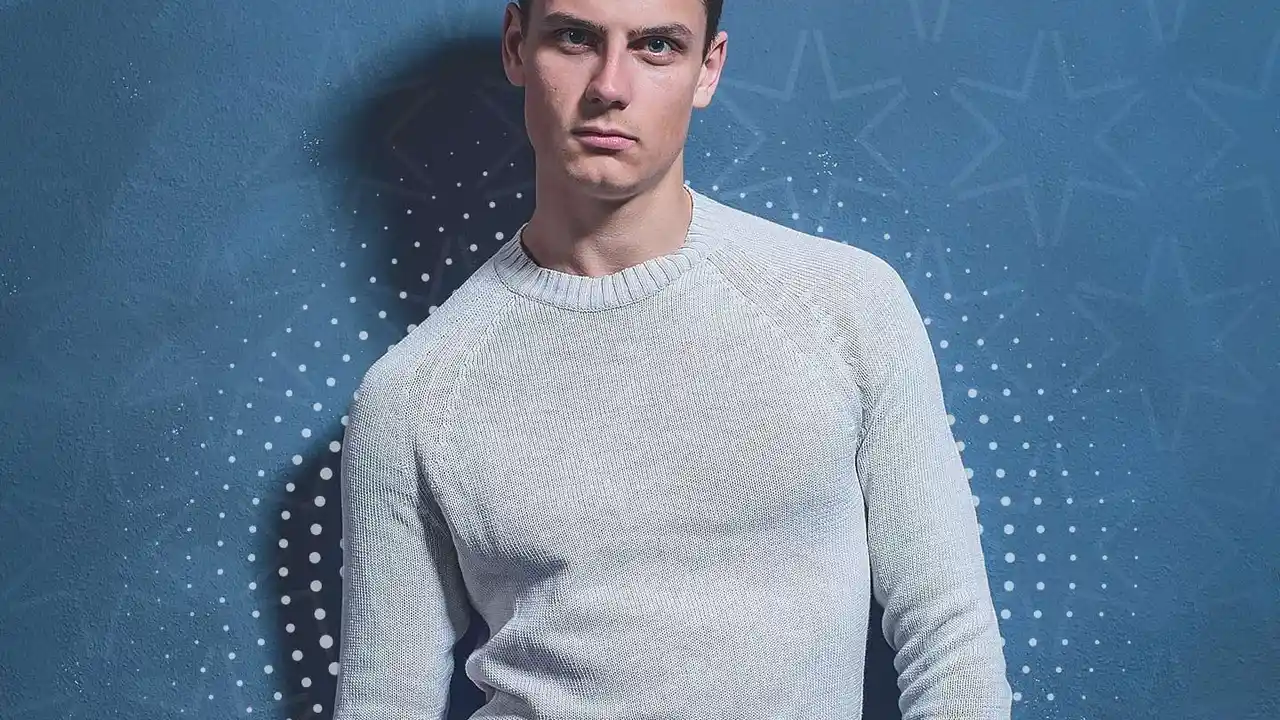
The new philosophy of tonal dressing is less about color-matching and more about creating a conversation between different fabrics. The Fall/Winter 2026 runways confirmed this shift, with designers across the board emphasizing rich, tactile surfaces. We saw combinations of supple leather, cozy knits, structured wools, and slinky satins, all within the same color family. Why the change? It reflects a broader move away from sterile perfection and towards a style that feels more considered and sensory. Mixing textures adds visual interest and depth. A chunky knit sweater and a silk slip skirt, both in shades of cream, catch the light in completely different ways. The sweater absorbs it, feeling soft and cozy, while the silk reflects it, adding a touch of liquid movement. This interplay makes an outfit feel layered and luxurious, even if the pieces themselves are simple. It’s a way of looking expensive without shouting it.
Your New Toolkit: Essential Textures
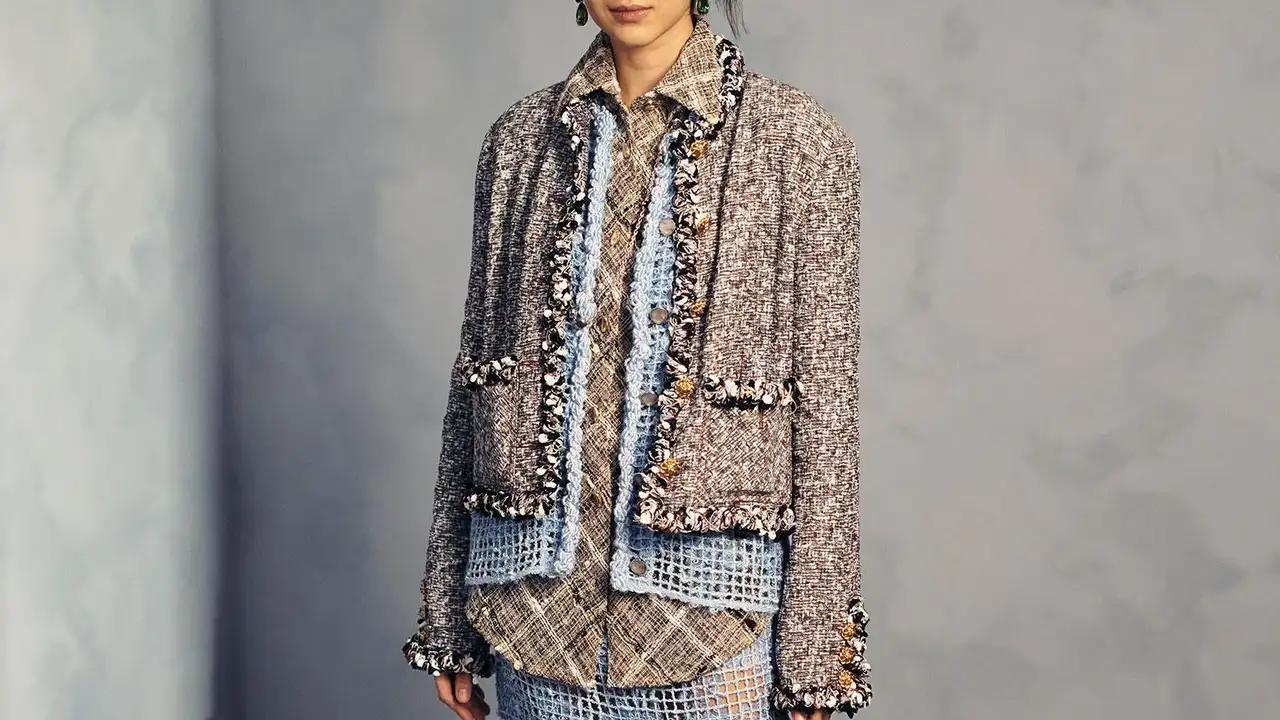
Building a textural, tonal wardrobe is easier than it sounds. It starts with recognizing the different 'families' of texture. Think of it as a toolkit: you have your soft and cozy pieces, your sleek and smooth ones, and your structured, sturdy staples. The cozy category includes everything from chunky cable knits and soft cashmere to fuzzy faux fur or shearling. For sleekness, look to materials like silk, satin, and leather, which provide a smooth surface and a hint of sheen. Finally, structured fabrics like denim, tweed, corduroy, and heavy wool provide a solid, matte foundation to build upon. The Fall 2026 season is particularly rich with these materials, making it easy to find pieces that work. The idea is to have items from each of these categories within your chosen color palettes.
How to Master the Mix
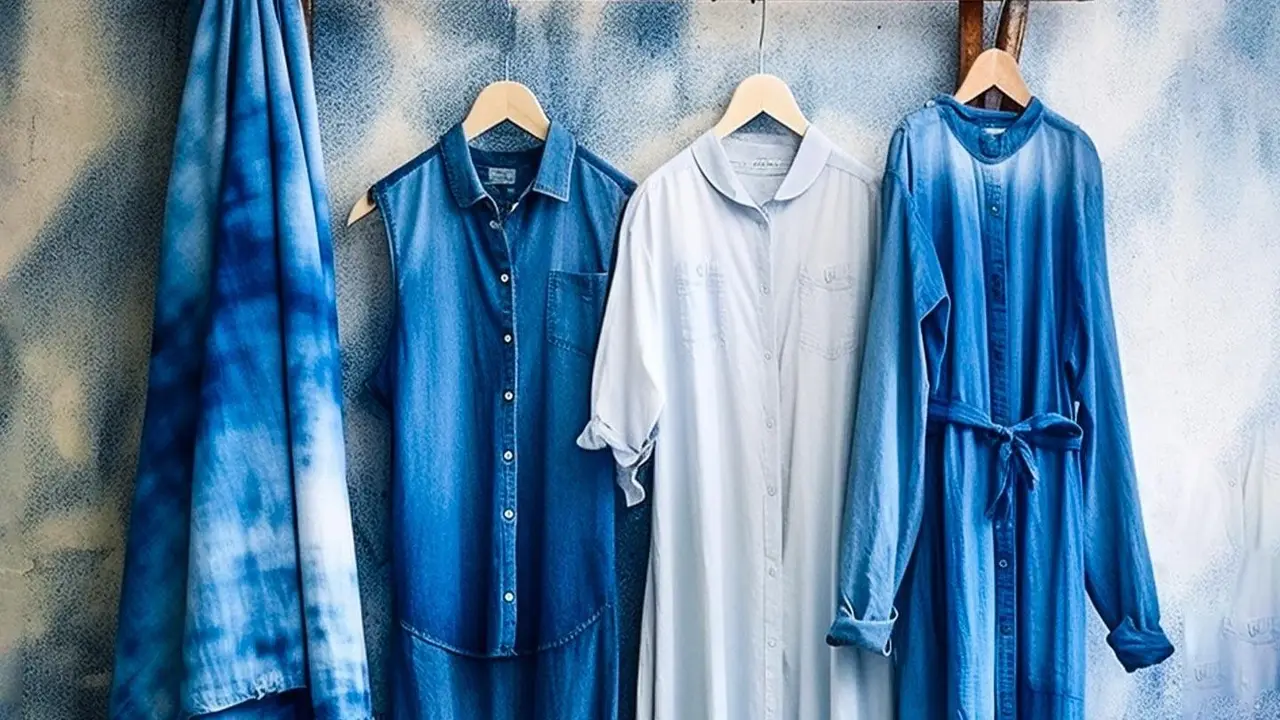
The key to a successful textured tonal outfit is creating deliberate contrast. Start by pairing opposites: a rough texture with a smooth one. A classic example is a heavy-gauge wool sweater worn over a fluid satin skirt. Another effective strategy is to vary the weight of the fabrics. Try pairing heavyweight denim jeans with a fine_gauge merino wool turtleneck in a similar shade of blue. Don't worry about getting the colors to match perfectly. In fact, playing with varying shades of the same hue is crucial. An outfit built from cream, ivory, and beige feels richer and more intentional than one that uses a single shade of off_white. This creates a subtle gradient that is visually elongating and far more sophisticated.
More Than Just Neutrals
While this trend is easiest to master with neutrals like gray, camel, or navy, it's just as powerful with color. Recent trends have shown beautiful tonal looks in everything from deep chocolate browns to vibrant pinks. Imagine an outfit combining a raspberry_hued knit, a bubblegum pink silk camisole, and a rose_colored tailored trouser. Or consider a mix of greens: a forest green wool coat over an olive suede skirt. The principle remains the same. By mixing textures, you prevent a bold color choice from becoming overwhelming, giving it dimension and sophistication. This works for jewel tones, pastels, and everything in between, proving that this nuanced approach to dressing is as versatile as it is chic.