
You see it on a livestream or in a magazine: a breathtaking, wildly creative outfit on a runway. You wait for it to hit stores, but it never does. It's a common frustration for fashion fans, but the reasons are a fascinating mix of art and commerce.
The Runway as Performance Art
First,
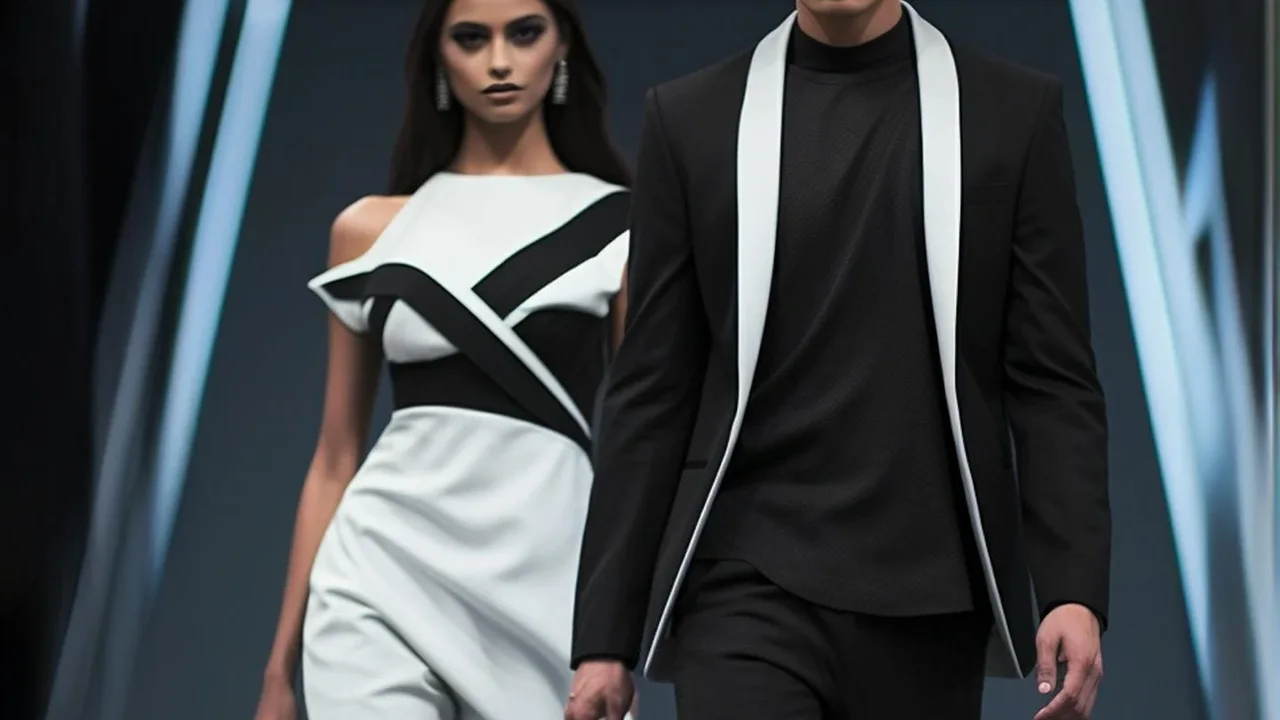
it's crucial to understand that a fashion show is not just a shopping catalog; it's a form of theater. Many of the most extravagant pieces—often called 'showpieces'—are created primarily for press, publicity, and to communicate the designer's artistic vision for the season. Think of them like concept cars at an auto show. They are designed to grab attention, generate buzz on social media, and establish a mood or theme. These garments are often handmade with delicate, expensive materials and complex construction that makes them unsuitable for mass production. Their purpose is to tell a story and create a 'wow' moment, not to be worn to the grocery store. The brand's reputation is enhanced by this display of creativity, which can make their more commercial items more desirable.
The Unforgiving Math of Manufacturing
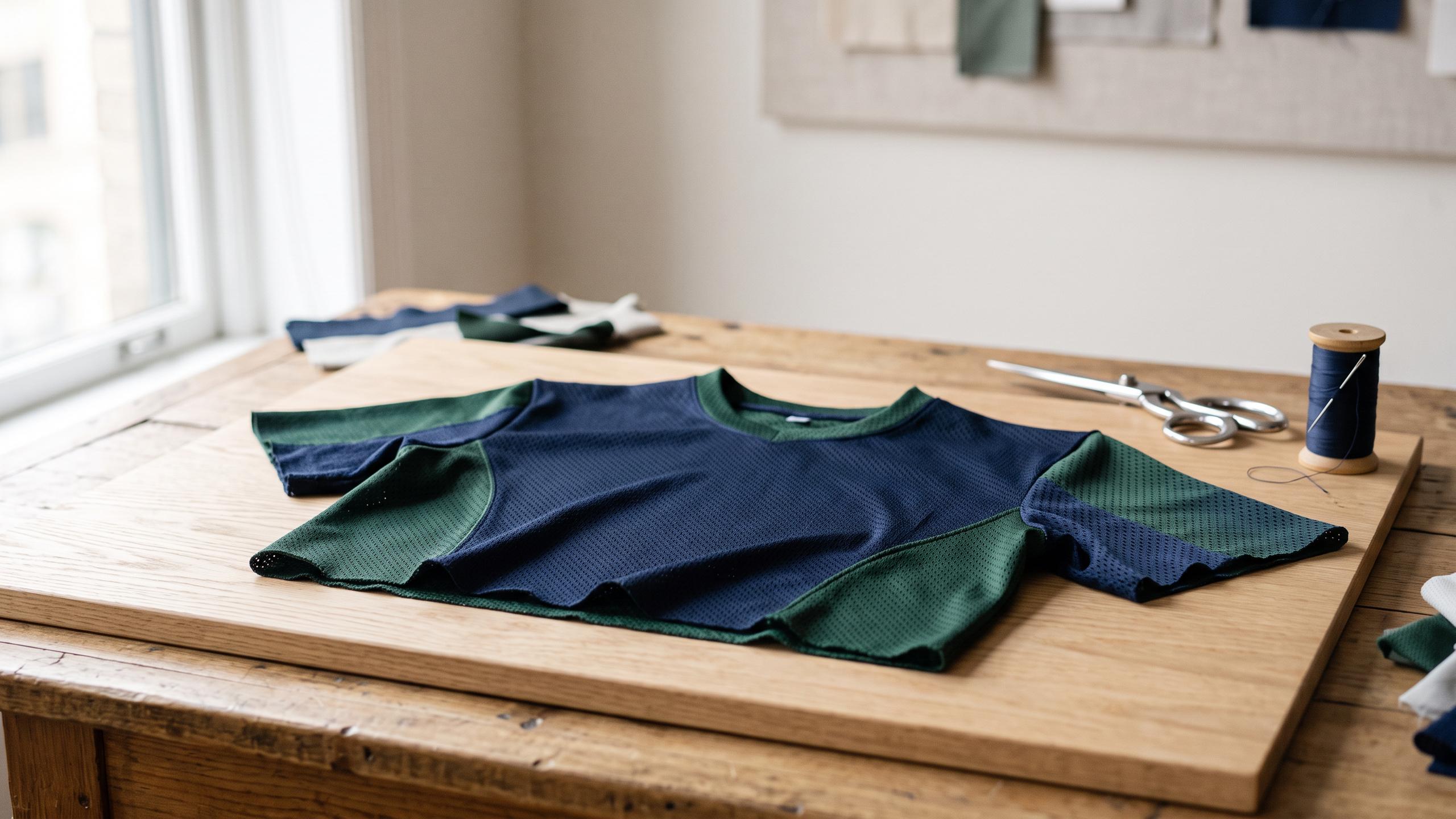
Even when a runway piece is intended for sale, the realities of production can be a major roadblock. The journey from a single sample to thousands of units in various sizes is complex and expensive. A designer might use a rare, hand-dyed fabric or intricate beading that is simply impossible to replicate on a large scale without the cost becoming astronomical. Manufacturers need minimum order quantities to make production worthwhile. If a brand isn't confident a highly unusual piece will sell in large numbers, it's not financially viable to produce it. Furthermore, runway samples are typically made to fit a specific model's proportions. Translating that design to fit a range of real-world body types often requires significant alterations that can compromise the original look. Sometimes, a shoe heel is shortened, or a dramatic silhouette is toned down to make it more practical and commercially appealing.
The All-Powerful Retail Buyer
Perhaps the most critical gatekeepers between the runway and the retail floor are the fashion buyers. These are the professionals from department stores and boutiques who attend fashion weeks to decide what they will stock in their stores. A buyer's job is to select items they believe will sell to their specific clientele. They analyze sales data, track trends, and have a deep understanding of their customer's tastes and budget. No matter how much a designer loves a piece, if major buyers from key retailers don't place orders for it, the brand has little incentive to manufacture it. Buyers often work with designers to request modifications—a different color, a less expensive fabric, a more conventional cut—to make a runway look more marketable for their audience. Their decisions are a crucial reality check, translating the high art of the runway into wearable, profitable products.
How Runway Ideas Still Reach Your Closet
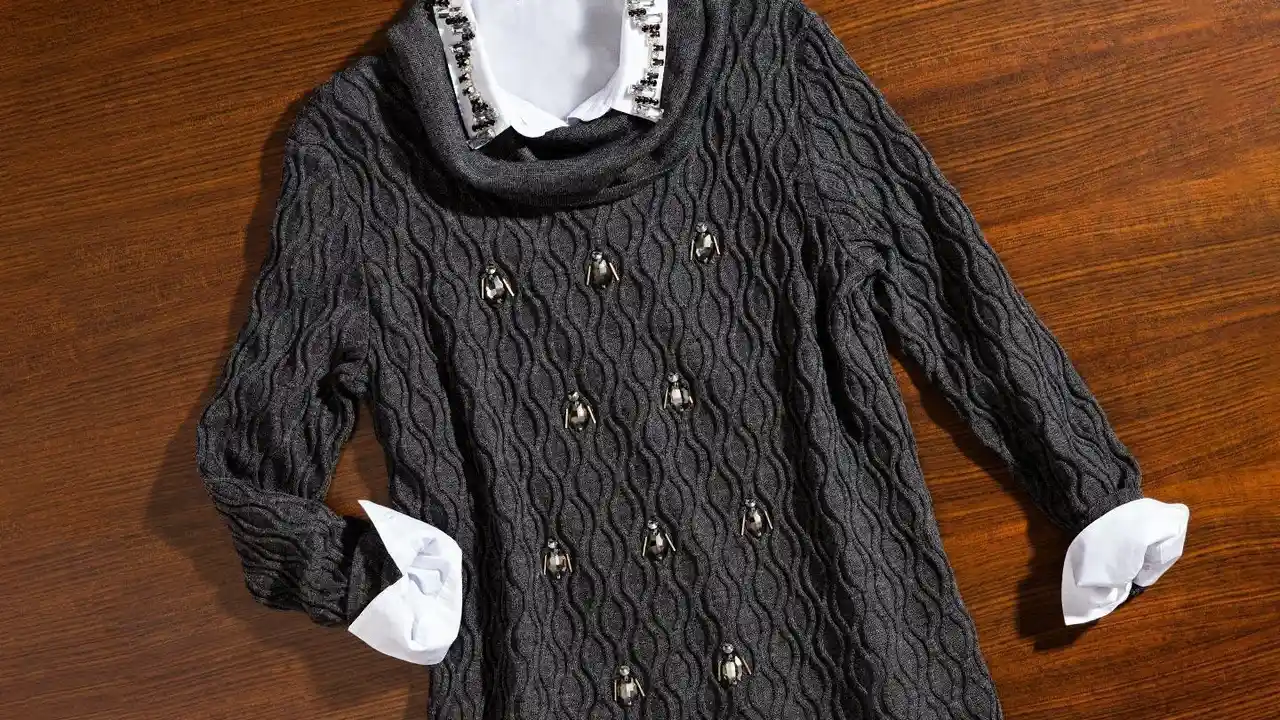
Just because a specific, avant-garde garment doesn't get made doesn't mean its influence disappears. The true function of a fashion show is often to introduce new ideas, silhouettes, colors, and styling concepts. While the jaw-dropping feathered coat might not be for sale, you will likely see its influence in more commercial pieces from the same collection. The spirit of that coat might appear in the cut of a more conventional blazer, the color of a sweater, or a feather detail on a handbag. This 'trickle-down' effect is how high fashion influences mainstream style. The runway acts as a laboratory for ideas. The most extreme experiments stay in the lab, but the successful results are adapted and refined into the clothes that eventually populate our wardrobes, connecting the seemingly fantastical world of the catwalk to our everyday lives.