


The Secondhand Gold Rush
In the last decade, peer-to-peer marketplaces like Poshmark, Depop, and The RealReal have exploded in popularity, fueled by a desire for sustainability, unique finds, and affordable prices. This shift has turned closets into storefronts and shoppers into entrepreneurs.
Unlike traditional retail, however, most sales on these platforms are final. This creates a high-stakes environment for buyers. If that designer blazer or pair of rare jeans doesn't fit, you can't just send it back for a refund. You're either stuck with it or you have to become a seller yourself—a process known as 're-Poshing' or 're-listing.' This fundamental difference is the primary force that pushed shoppers to seek more reliable information than a simple size tag.
The Chaos of 'Vanity Sizing'
The core problem is that clothing sizes are notoriously inconsistent. There is no universal standard, and a practice known as 'vanity sizing' has made labels even less reliable. This is when brands label clothes with smaller sizes to flatter customers and, hopefully, encourage sales. Over time, this has caused significant 'size inflation.' For example, a dress with a 32-inch bust might have been a size 14 in the 1930s, a size 8 in the 1960s, and a size 0 today. As a result, a person might wear a size 6 in one brand, a 10 in another, and a medium in a third, all while their body hasn't changed at all. When shopping new, you can take three sizes into the fitting room. Online, and especially with used clothing from different eras and brands, that size tag is nearly meaningless.
The Tape Measure Becomes the Truth
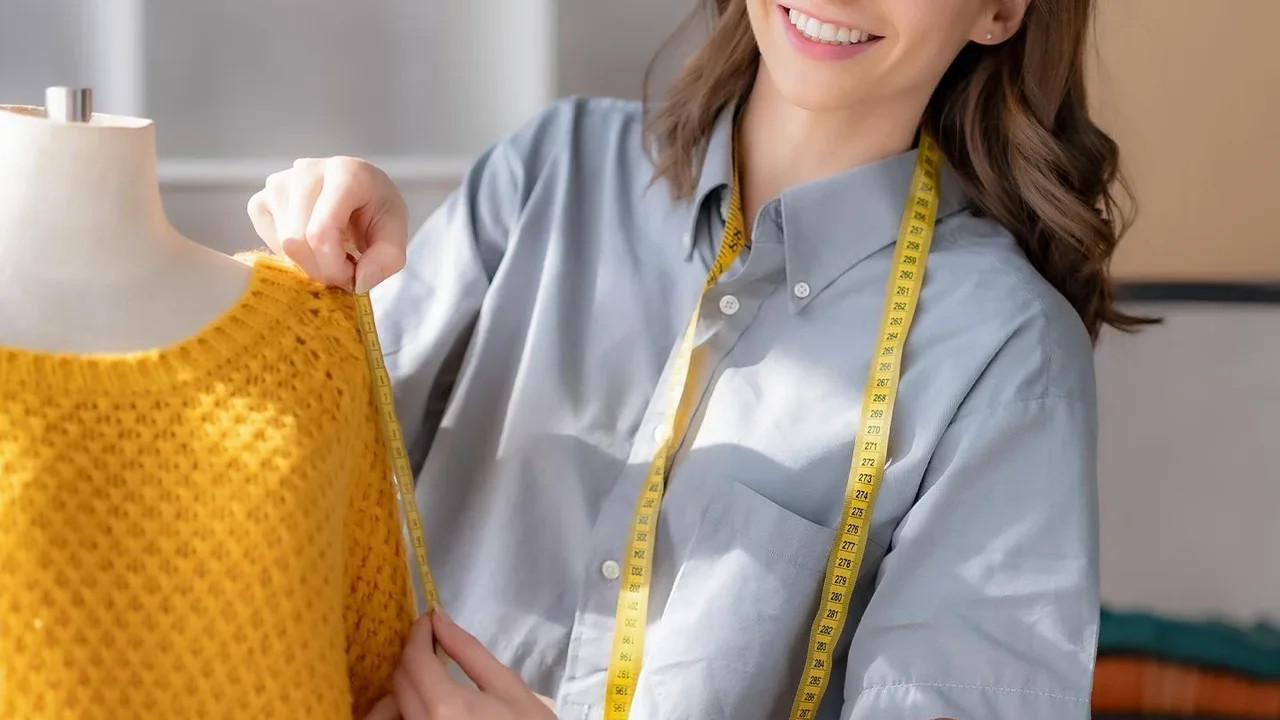
Faced with chaotic sizing and no-return policies, the secondhand community developed its own solution: prioritizing garment measurements over brand labels. Sellers realized that providing specific, flat-lay measurements—like 'pit-to-pit' for a shirt's chest, waist, inseam for pants, and overall length—drastically increased buyer confidence and reduced post-sale disputes. Buyers, in turn, learned to ignore the 'Medium' or 'Size 10' on the tag and instead compare the seller's numbers to a similar garment they already owned and loved. This simple act of comparing measurements from a listing to a favorite shirt or pair of jeans at home became the most reliable way to predict fit in an unreliable market. Listings without measurements are now often ignored by savvy shoppers.
A New Standard for Smarter Shopping
The demand for measurements has become so standard that it has created a more transparent and informed shopping culture. Successful sellers on platforms like eBay and Vinted now treat listings like spec sheets, often including photos with a tape measure to prove their numbers are accurate. This grassroots movement has empowered buyers, giving them the data needed to make better decisions and avoid the disappointment of a poor fit. It has also made shoppers more aware of their own real measurements and the actual dimensions of the clothes they feel best in. The focus has shifted from the arbitrary number on a tag to the tangible reality of a garment's shape and size, making everyone a more discerning consumer.