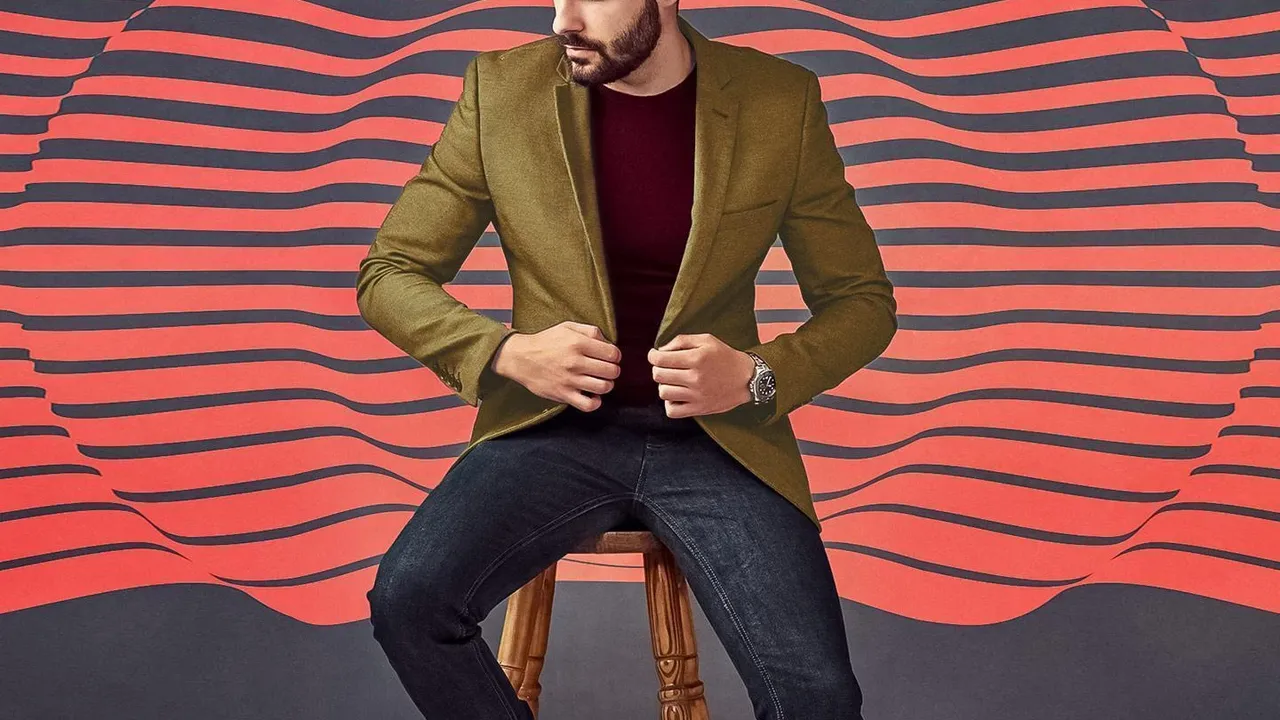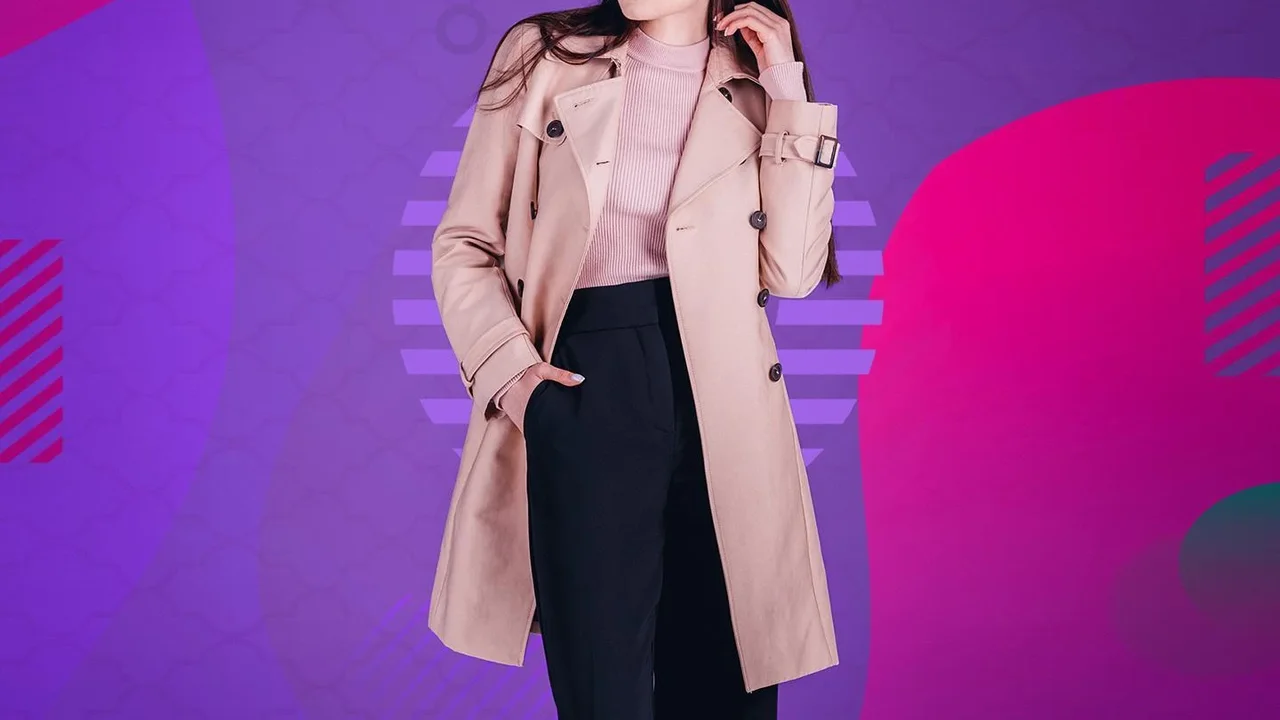

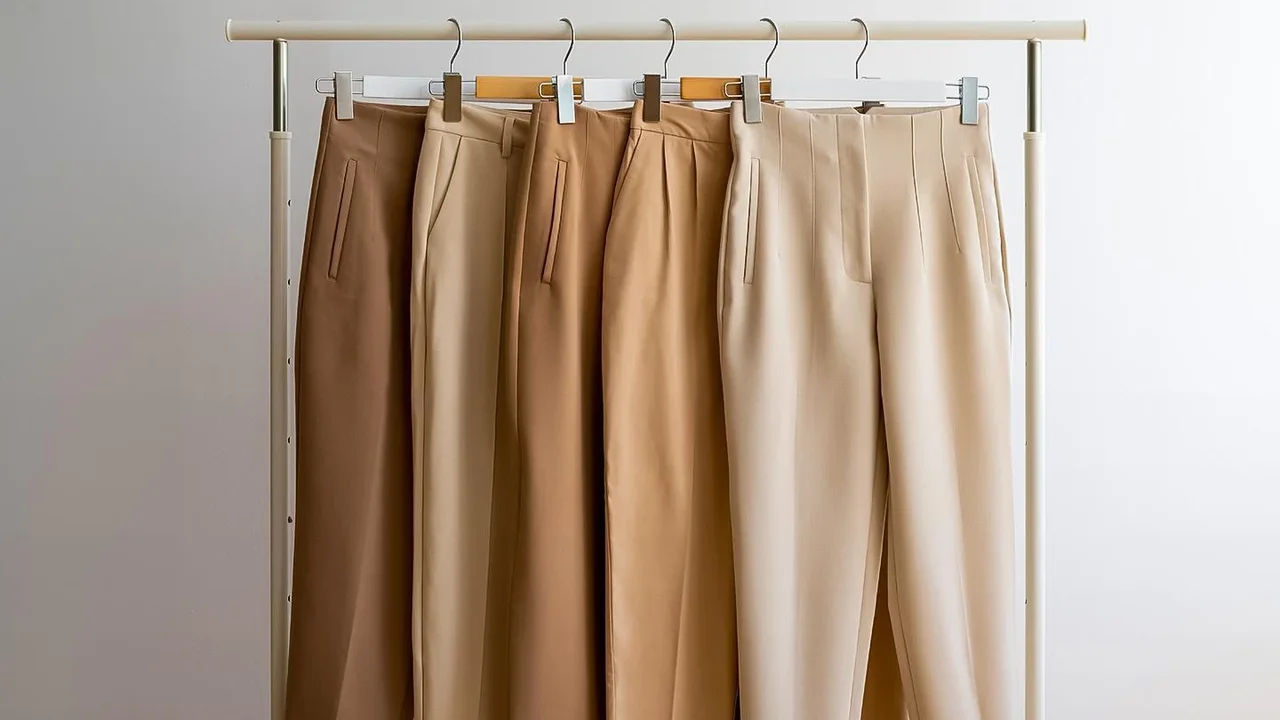
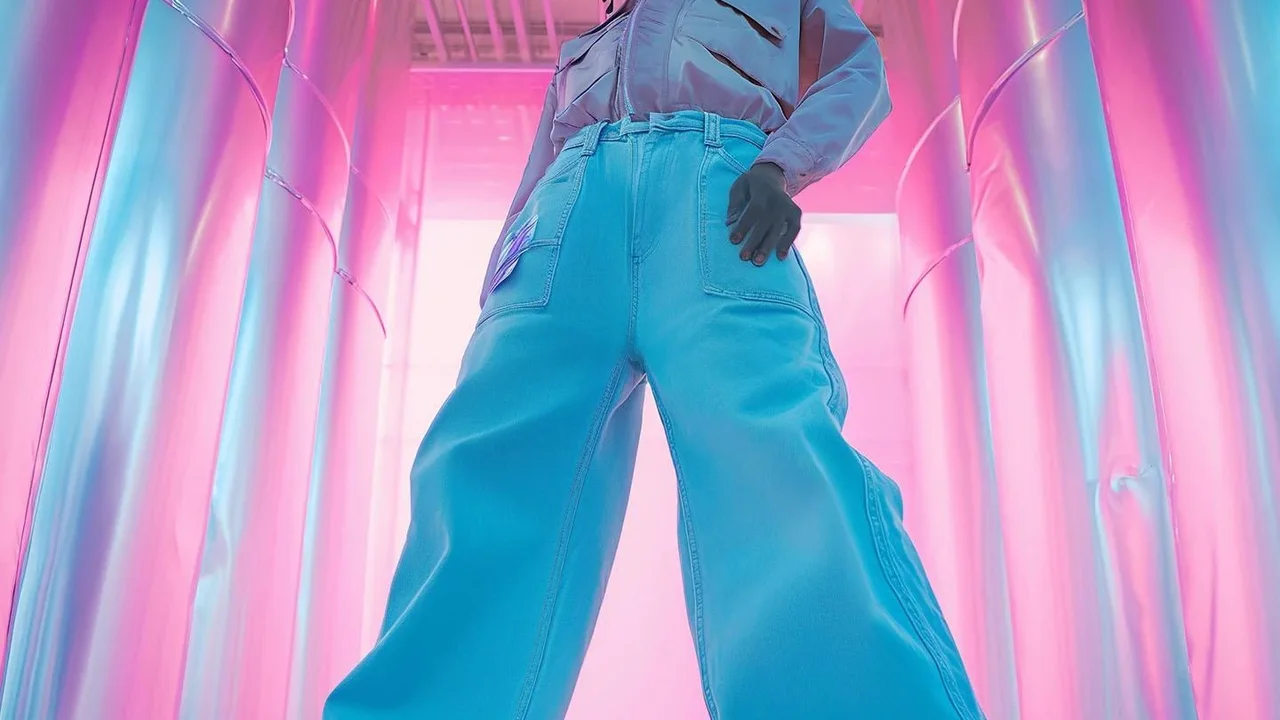
The short coat and long top combination can feel like a tricky style equation. Done wrong, it can disrupt your silhouette. But when you master a few key principles, it becomes a chic and intentional way to play with layers and proportions.
Focus on Proportions
The most common
issue with this pairing is awkward proportions. A short jacket that hits just a few inches above the hem of a long tunic or shirt can create a visual 'tire' effect around your hips. The goal is to make the layering look deliberate, not accidental. One way to achieve this is to ensure there is a significant difference in length. A truly cropped jacket that sits at your natural waist pairs beautifully with a top that extends well past your hips. This contrast creates a clear, flattering line and gives both pieces a distinct role in the outfit. Conversely, avoid combinations where the jacket is only slightly shorter than the top, as this can look unbalanced.
Define Your Waist
A short jacket's greatest strength is its ability to define your waist, creating an hourglass shape and making your legs appear longer. To maximize this effect, pair your coat with high-waisted pants or skirts. When your bottoms start high and your jacket ends high, you create a long, unbroken vertical line from the waist down. Even if your longer top covers the waistband, the jacket's hem will signal where your waist is, preventing the boxy look that can sometimes happen with longer, untucked tops.
Try the 'Half-Tuck' or Knot
If you're wearing a longer t-shirt or a button-down shirt that feels too long under your short jacket, you don't have to switch tops. A simple styling trick is the 'half-tuck', where you tuck just the front of the shirt into your pants. This defines your waist and breaks up the horizontal line of the shirt's hem, creating a more dynamic, relaxed look. For lightweight tees, you can also tie a small knot at the side to bring the hem up to the same length as your jacket. This works best with casual tops; avoid knotting thicker sweaters.
Play with Silhouettes
Balancing silhouettes is crucial. If you're wearing a voluminous or boxy short jacket, like a bomber or a cropped utility jacket, it's often best to keep the layers underneath and your bottoms relatively slim. Think a straight-leg jean or a more fitted top. Conversely, if your jacket is more tailored and fitted, you can afford to have more volume in the top underneath or wear it over a flowing dress. The contrast between a structured jacket and a softer top or dress underneath creates a visually interesting and balanced outfit.
Let the Top Have Its Moment
Instead of trying to hide the longer layer, embrace it. Make it a key part of the look. A classic example is allowing the long shirttails of an oxford buttondown to peek out from under a cropped tweed or leather jacket. This looks intentional and adds a preppy, layered feel. The key is to ensure the top is crisp and the jacket is structured enough to contrast with it. This approach works especially well with timeless pieces where the layering feels classic rather than messy.
Consider a Monochrome Base
When in doubt, simplifying your color palette can solve many proportion puzzles. Wearing a top and pants in the same color (a 'column of color') creates a seamless vertical line. When you add a contrasting short jacket over this monochrome base, the jacket instantly becomes the focal point, and the continuous color underneath ensures your silhouette remains long and unbroken. This is an easy way to look taller and more streamlined, even with the challenging layers.