



Thinking in 'Cost Per Wear,' Not Just Price
The allure of a 'fast fashion' bag is its accessible price. But that initial saving can be deceptive. A better way to measure value is 'cost per wear': the total price divided by the number of times you use it. A $75 bag that lasts one season before its synthetic
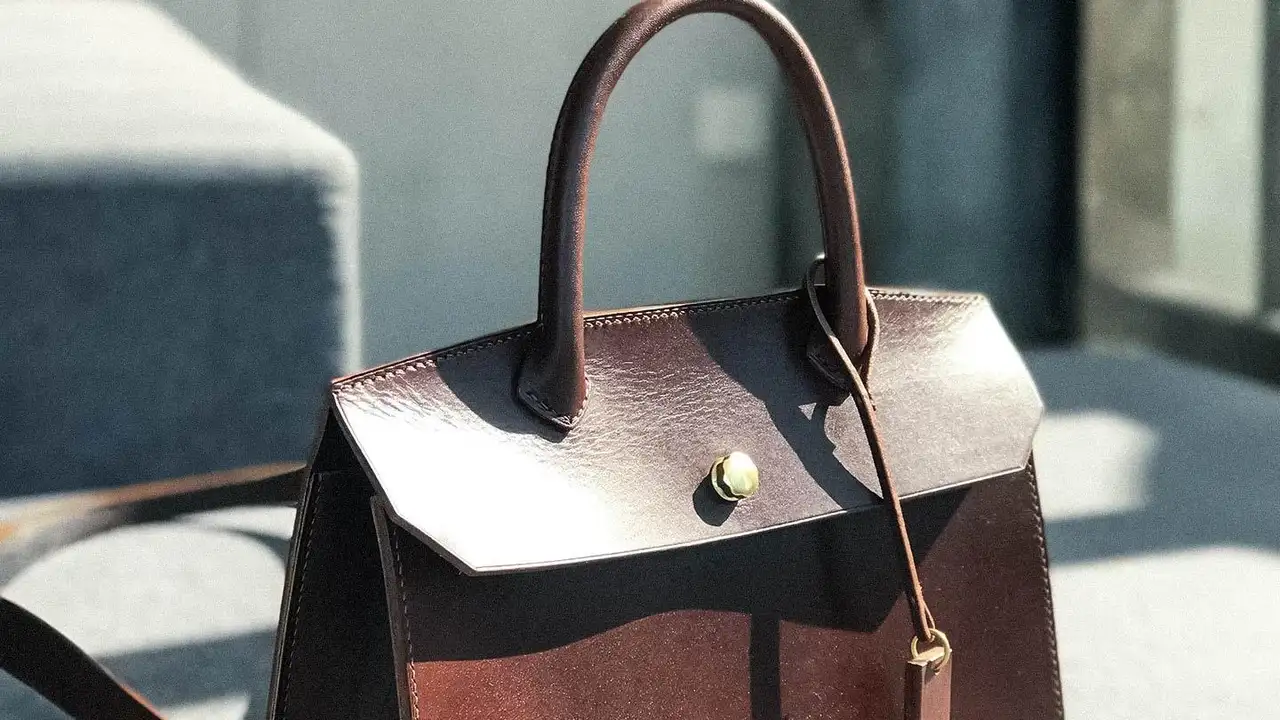
materials start to crack and peel might be used 50 times, costing you $1.50 per wear. In contrast, a $400 leather bag that you carry for five years (over 750 times) costs just over 50 cents per wear. This simple math reframes the purchase from a one-time expense to a long-term investment in your daily life. The bag you reach for without thinking, the one that reliably works with most of your wardrobe, is almost always the one providing the best value, regardless of its initial price tag.
The Power of a Second Life: Repairability
Here is where quality leather truly separates itself from its synthetic counterparts. Most common issues on a leather bag—worn stitching, scuffed corners, a broken strap, or faded color—can be fixed by a professional. Cobblers and leather specialists can re-stitch seams, replace hardware, and restore color, giving a beloved bag a second or even third life. This isn't an option for most trendy bags made from polyurethane (PU) or PVC. Once those materials start to peel, crack, or tear, they are generally beyond saving and destined for a landfill. A repairable bag, by contrast, is designed to endure. Investing in a piece that can be mended is a fundamental shift away from a disposable mindset.
Style That Endures vs. Trends That Expire
Fashionable bags are designed to capture a fleeting moment. Their value is tied to their newness and relevance within a specific season. A classic leather bag, however, often operates outside of trend cycles. Its clean lines and durable material are meant for longevity. Rather than wearing out, high-quality leather develops a patina—a soft sheen and character that comes with age and use, making the bag more unique over time. This means a well-chosen leather bag won't look dated in a year or two. Its versatility allows it to be a consistent part of your wardrobe, pairing with different styles and evolving with you. It’s the difference between buying a costume and owning a tool for daily living.
The Hidden Environmental Cost
The term 'vegan leather' often sounds like an automatic environmental win, but the reality is more complicated. Most vegan leather is PU or PVC—plastics derived from petroleum. These materials are not biodegradable, can take over much over 500 years to decompose, and shed microplastics into the environment. While the production of real leather has its own significant environmental footprint, its durability offers a counterpoint. A leather bag that lasts for a decade or more, and is then repaired instead of replaced, creates far less waste than a cycle of buying and discarding several plastic-based bags a year. Extending a product's life is one of the most effective ways to reduce its environmental impact.