

The Digital Dream Closet
Your saved items folder is likely a museum of a person you could be. It’s the vacation-ready linen set for a trip you haven't booked, the razor-sharp blazer for a promotion you're still chasing, or the feather-trimmed party top for a social life that
exists mostly in your imagination. This isn't just a collection of clothes; it's a mood board for an aspirational self. Fashion psychologists note that clothing is a primary tool for identity expression. The items we save are often less about our current reality and more about signaling to ourselves the person we want to become. It’s a form of visual manifestation, a way to 'rehearse' a future identity without any of the risk. Each saved item tells a story about a desire, an ambition, or an escape.
The Psychology of the 'Save' Button
Why does it feel so good to fill a cart you have no intention of buying? The answer lies in our brain chemistry. The act of browsing and selecting items triggers a release of dopamine, the 'feel-good' neurotransmitter. Crucially, research shows this dopamine spike is often stronger during the anticipation of a reward than during its actual acquisition. Adding an item to a wishlist or cart creates a sense of psychological ownership, a mental placeholder that provides a satisfying thrill without the financial commitment. This 'cart curation' becomes a form of entertainment—a low-stakes way to explore different versions of ourselves. It’s a harmless fantasy, until it creates a cycle of desire for things that don’t actually fit the life we lead.
Reality Bites: The Uniform We Actually Wear
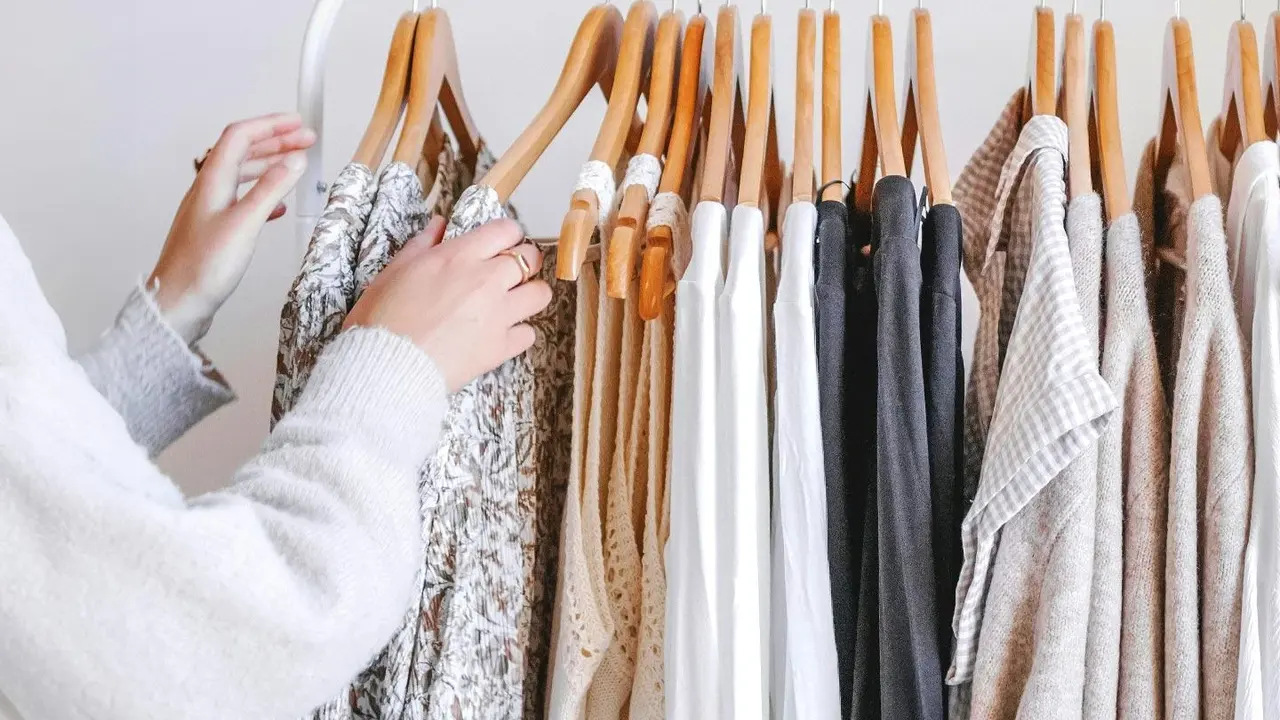
Contrast that digital dreamscape with the clothes that see the light of day. Most people wear only about 20-30% of their wardrobe regularly. Our daily uniform is governed by far more practical concerns: comfort, dress codes, weather, and the simple path of least resistance. The go-to jeans, the softest sweaters, and the most reliable work pants form the backbone of our real-life wardrobe. There’s often a sense of guilt associated with this—a feeling that we’re failing to live up to our more stylish, aspirational selves. But this uniform isn't a failure; it’s data. It’s an honest reflection of our lifestyle, our priorities, and what makes us feel most at ease. The goal isn't to replace this comfortable reality with an impractical fantasy, but to find a way to make them meet in the middle.
Bridging the Gap: A Three-Step Audit
Instead of feeling defeated by the gap between your saved items and your closet, use it as a tool. First, analyze your saves. Look for recurring themes. Are you constantly saving jewel-toned velvets? Or structured, minimalist shapes? These are clues to your core aesthetic desires. Second, do a 'reality check' against your actual life. If you save party dresses but your calendar is full of weekend errands and casual dinners, you've found the disconnect. Third, find the wearable version. Love the idea of sequins? Try a top with a subtle shimmer instead of a full-blown gown. Drawn to tailored blazers? Find one in a comfortable, slightly relaxed cut you can throw over a t-shirt. The idea is to incorporate elements of the styles you admire into your existing wardrobe, rather than attempting a complete overhaul.