


The 'Why' Behind the Technique
This styling trick is rooted in a core principle of design: repetition creates harmony and visual order. When the human eye detects a recurring shape—whether it's a circle, a square, or a sharp angle—it subconsciously connects the dots, making the entire
composition feel intentional and unified. You're creating a quiet theme that threads through your look, from the cut of your jacket to the clasp on your handbag. It’s a method that says 'put-together' without the rigid, often dated feel of a perfectly matched set. The goal is to create a subtle echo, not a loud announcement.
An Easy Start: Circles and Curves
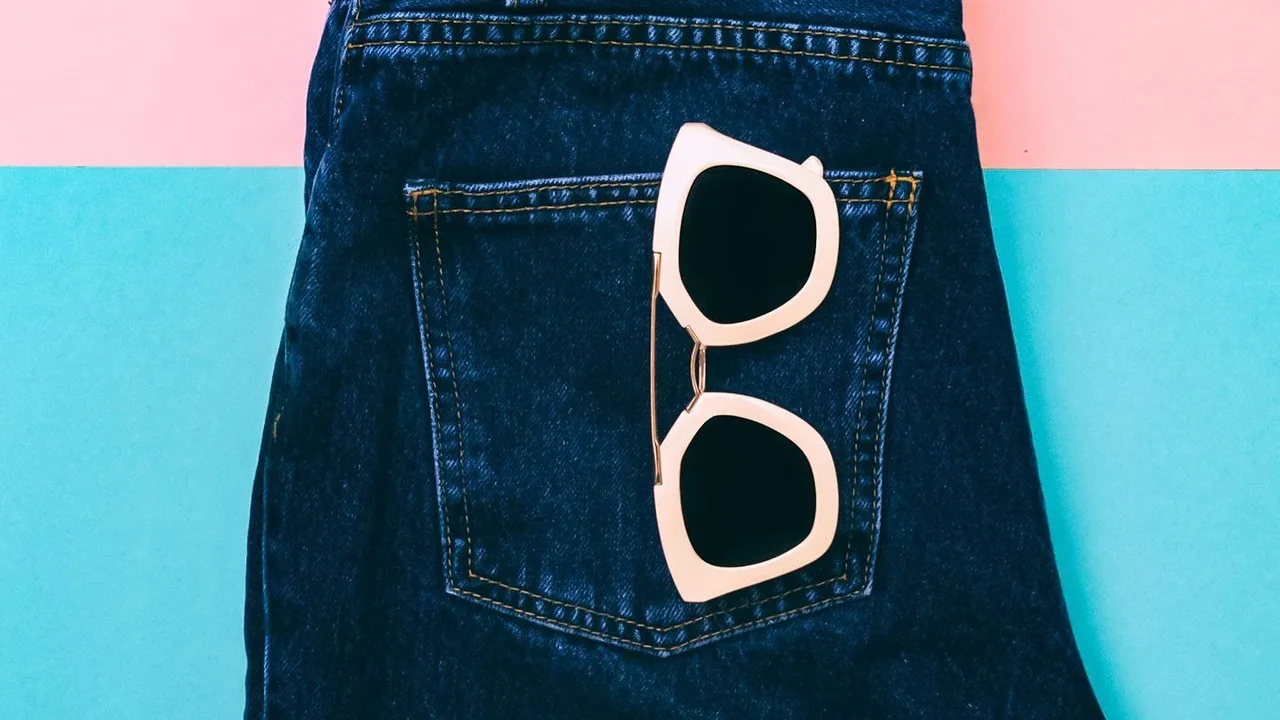
Circles are perhaps the easiest and most versatile shape to start with. Their soft, flowing lines can be found everywhere. Think about an outfit built around this friendly shape. You might wear a top with a simple scoop neck. The curve of that neckline can be echoed in a pair of round sunglasses, the circular hardware on your belt buckle, or even a classic polka dot print on a scarf. A structured, circular bag can serve as the main anchor for this theme. The repetition doesn't need to be identical; a mix of small circles (like buttons or earrings) and larger curves (like the silhouette of a bag) creates depth while maintaining that cohesive feeling.
Embrace the Angles: Squares and Rectangles
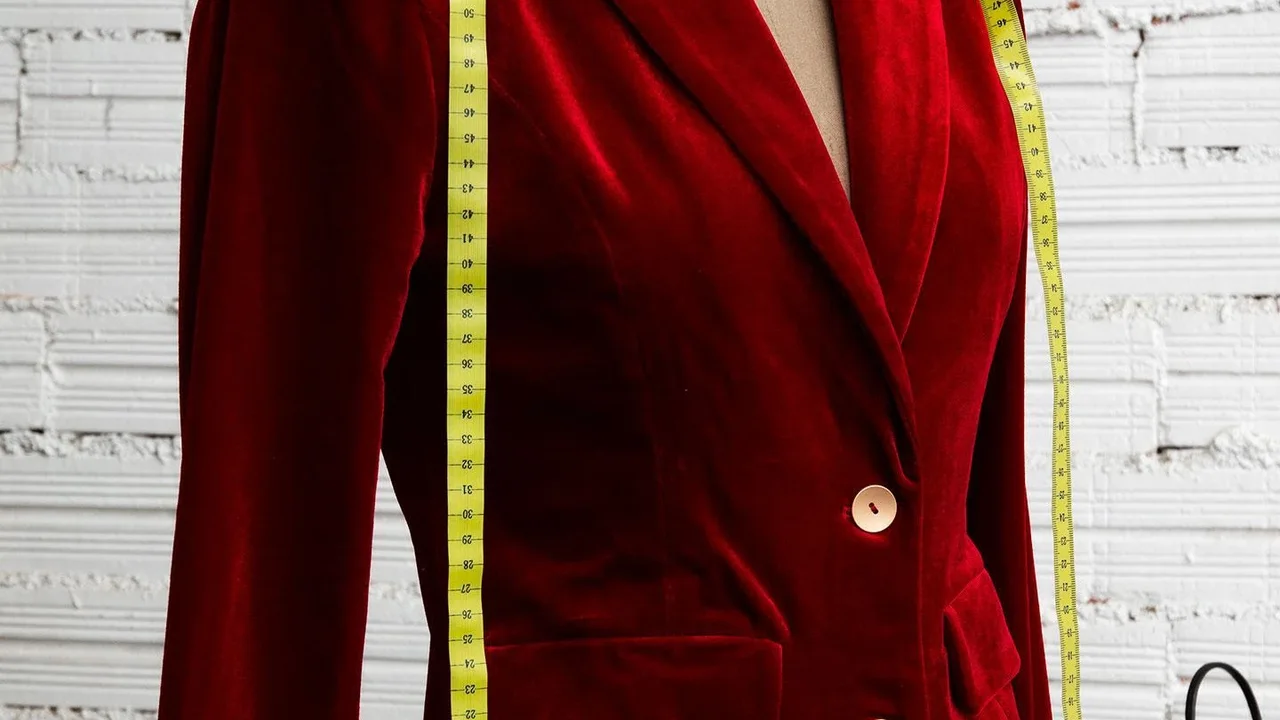
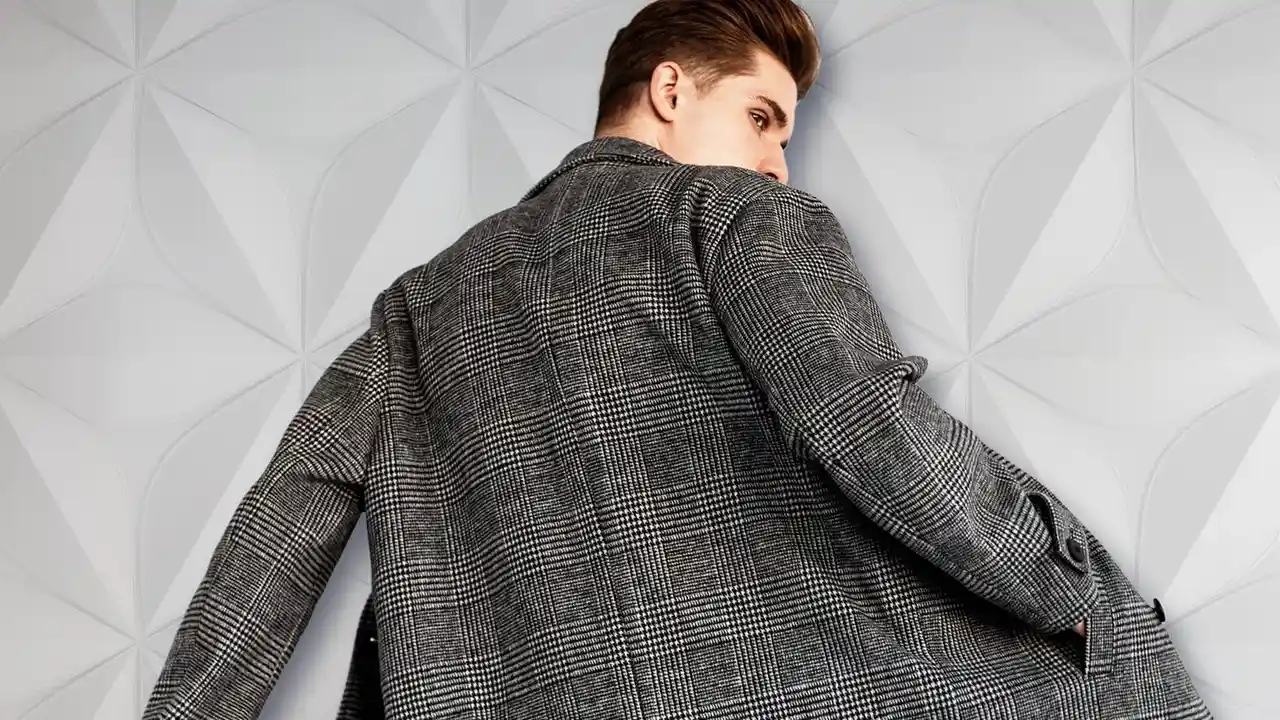
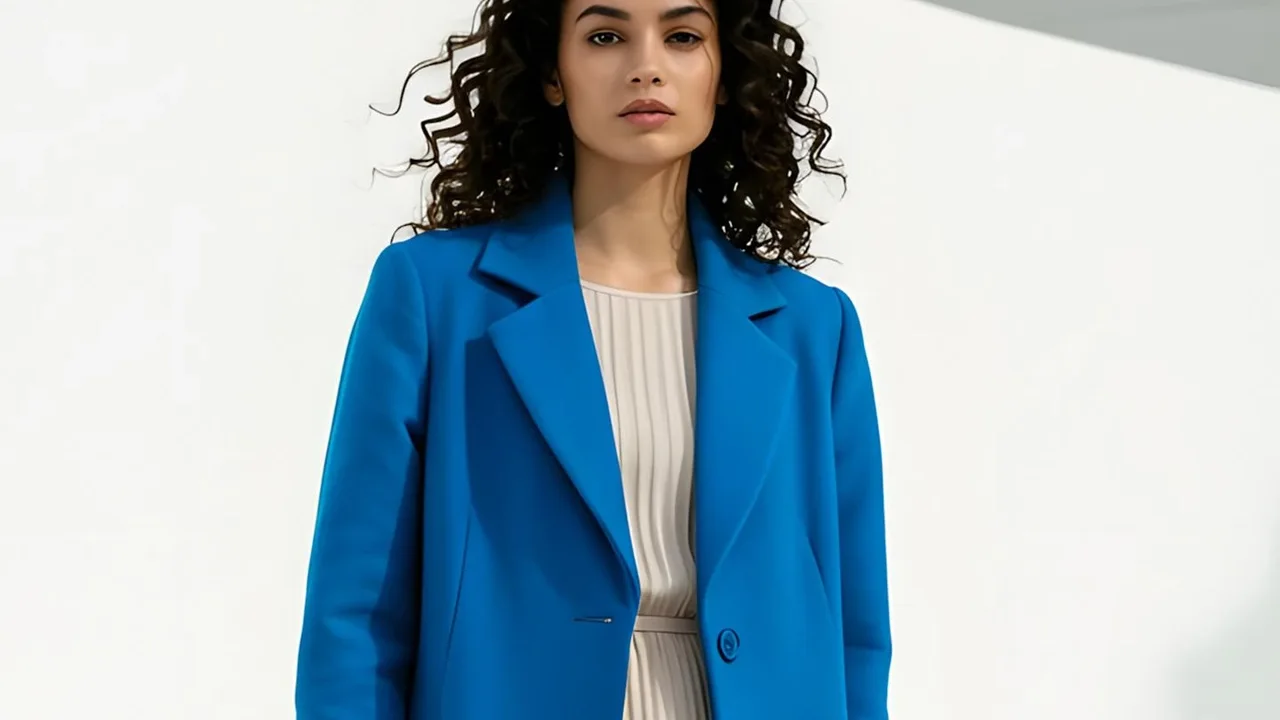
For a look that feels more structured and sharp, focus on angular shapes. Squares and rectangles are staples of tailored clothing. Start with a blazer, which is full of them: the sharp, rectangular lapels, the straight lines of the pockets, and the overall boxy cut. You can then repeat this angularity in your accessories. Opt for a rectangular watch face, a handbag with a defined, boxy silhouette, or even shoes with a squared-off toe. A V-neck shirt introduces a triangle, another angular relative. Even a grid or check pattern on your trousers plays into this theme, reinforcing the clean, straight lines and making the whole ensemble feel crisp and deliberate.
Beyond Geometry: Organic and Abstract Forms
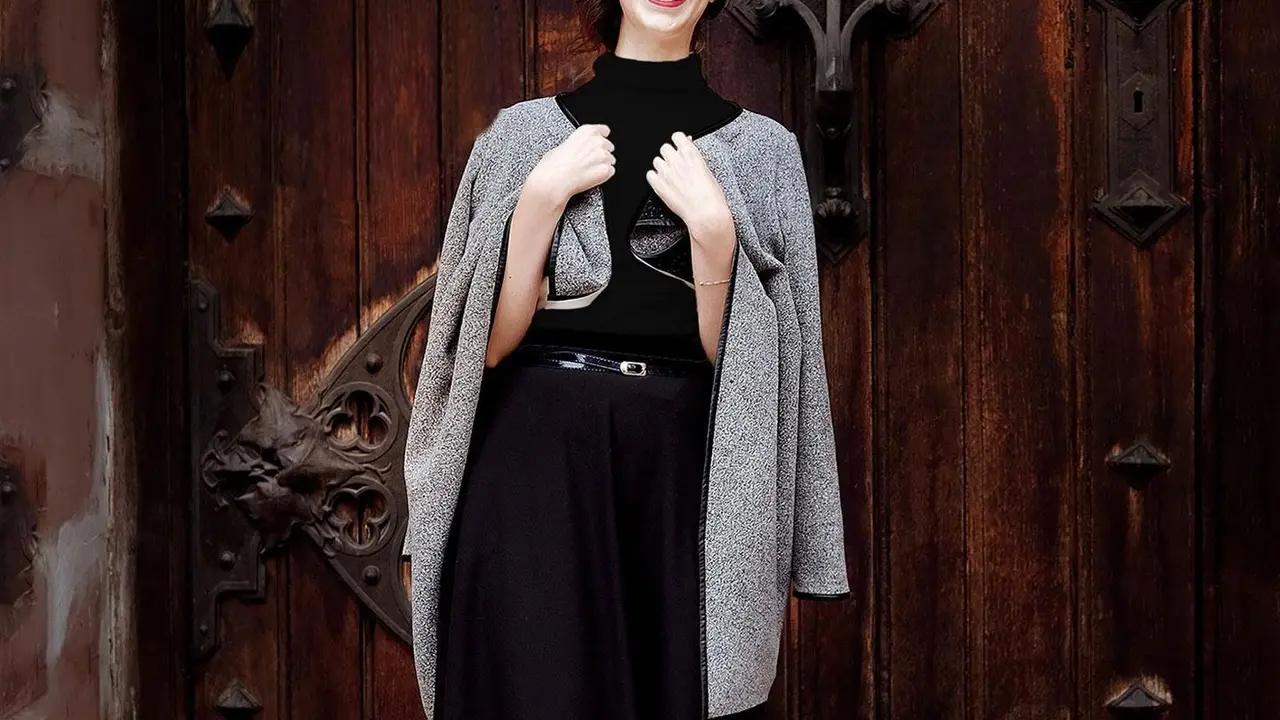
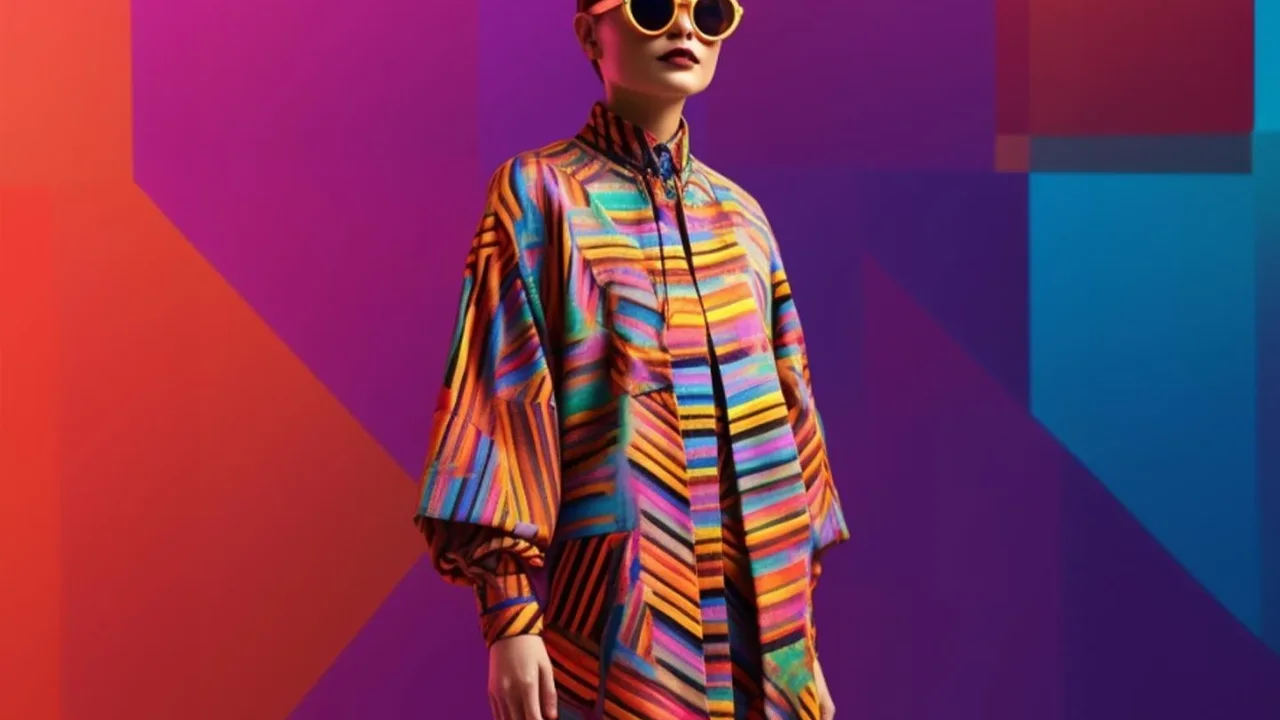
Shapes don't have to be perfectly geometric to work. You can also build cohesion using more organic or abstract forms. Consider the soft, undulating line of a ruffle on a blouse. You can repeat that wavy, fluid shape with a pair of slightly flared trousers, a necklace with an irregular, natural pendant, or even the soft folds of a slouchy leather bag. A floral or paisley print is another great example. The curved, repeating motifs in the pattern can be echoed in the rounded silhouette of a shoe or the soft drape of a cardigan. This approach often results in a softer, more romantic, or bohemian feel, but the underlying principle of repetition remains the same.
The Art of Subtle Repetition
The key to making this technique look sophisticated is subtlety. You’re not trying to create a costume. A good rule of thumb is to aim for two or three repetitions of your chosen shape. One item can be the main statement—like a blazer with sharp lapels—while the others act as quiet supporting characters, like the rectangular shape of your clutch and the straight line of your trouser crease. Varying the scale is also crucial. A large, square pattern on a skirt can be balanced by the tiny, square hardware on your shoes. It's this thoughtful, almost hidden consistency that elevates an outfit from a collection of nice items into a truly stylish, cohesive look.