


What Is ‘Button Stance,’ Anyway?
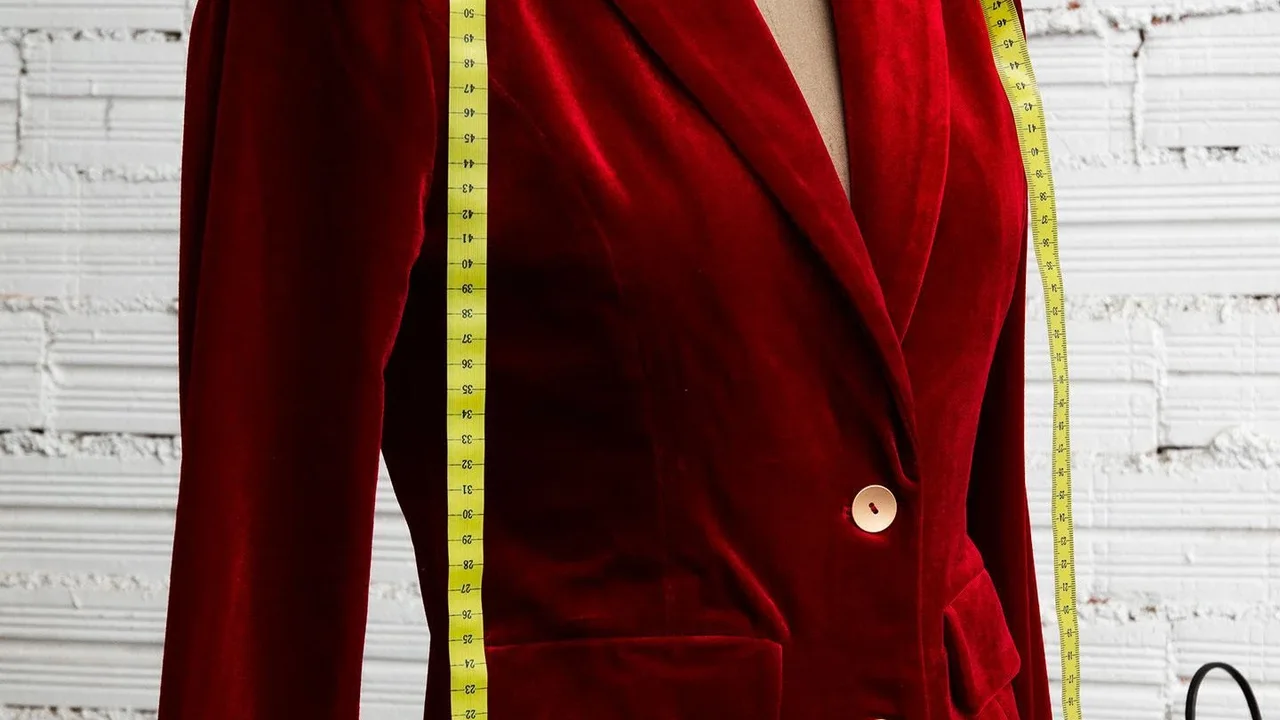
Simply put, button stance is the vertical position of the main fastening button on a jacket or coat. On a two-button jacket, it’s the top button. On a three-button jacket, it’s the middle one. This button acts as the garment's visual anchor and de facto
waistline. While lapel width and jacket length often get more attention, the button stance is arguably more critical in defining the overall shape and balance of the piece on your body. It determines how the 'V' of the lapels is formed and where the eye is drawn, effectively deciding how your torso and legs are proportioned.
The Visual Trick: A New Center of Gravity
The principle is a simple but effective optical illusion. The fastening button creates a new 'waist,' regardless of where your natural waist is. By raising or lowering this point, you change where your torso appears to end and where your legs appear to begin. A higher button stance draws the eye upward, creating a shorter torso and visually longer legs. A lower button stance does the opposite, elongating the torso for a more traditional or relaxed look. Understanding this allows you to choose coats that work with your body type, rather than against it.
For Visually Longer Legs: The High Button Stance
A high button stance, where the button is positioned an inch or more above the navel, is a modern favorite for a reason. By raising the coat’s waistline, it lengthens the lower half of the body, making your legs appear longer and, by extension, making you appear taller overall. This look is particularly flattering for men and women with shorter legs and a longer torso, as it helps balance their proportions. It creates a sharp, dynamic silhouette, though it requires a good fit through the chest and shoulders to avoid looking tight or restrictive.
For a Longer Torso: The Low Button Stance
A lower button stance, with the button at or even slightly below the natural waist, creates a deeper 'V' at the chest, showing more of the shirt and tie underneath. This effect visually lengthens the torso. It's an excellent choice for individuals with a shorter torso and longer legs, as it helps create a more balanced, harmonious line. This stance often lends a more relaxed and classic feel to a garment. However, an extremely low button stance can sometimes feel dated, so moderation is key. A natural stance, right at the waist, offers a versatile middle ground that works well for many body types.
How to Spot It When You Shop
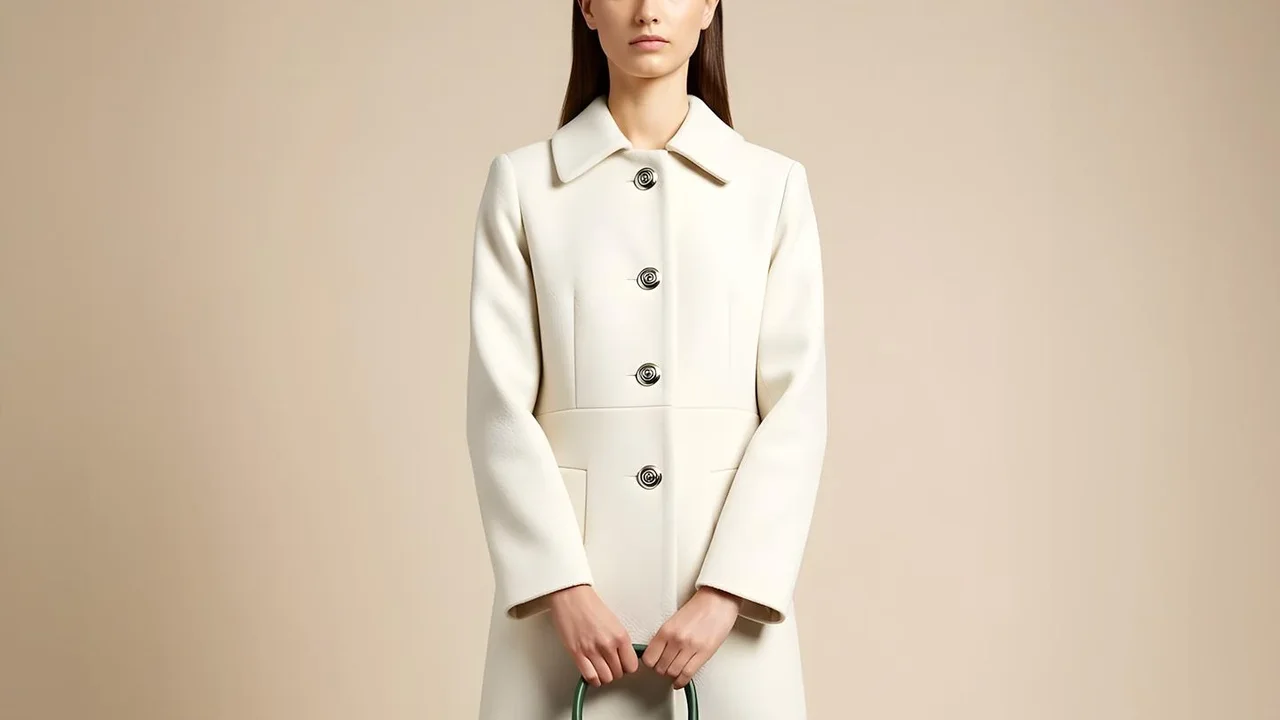
The next time you’re trying on a blazer, sport coat, or overcoat, don't just check the shoulders and sleeve length. Fasten the main button and take a step back. Look at where it hits you. Is it above, at, or below your navel? See how it divides your body. Does it make you feel taller and leaner, or more grounded and proportional? Pay attention to the 'X' that forms when you button it; if it's pulling tightly, the fit is wrong, but if it drapes cleanly, you can properly assess its effect on your shape. This single detail can be the difference between a coat that looks fine and one that looks fantastic.