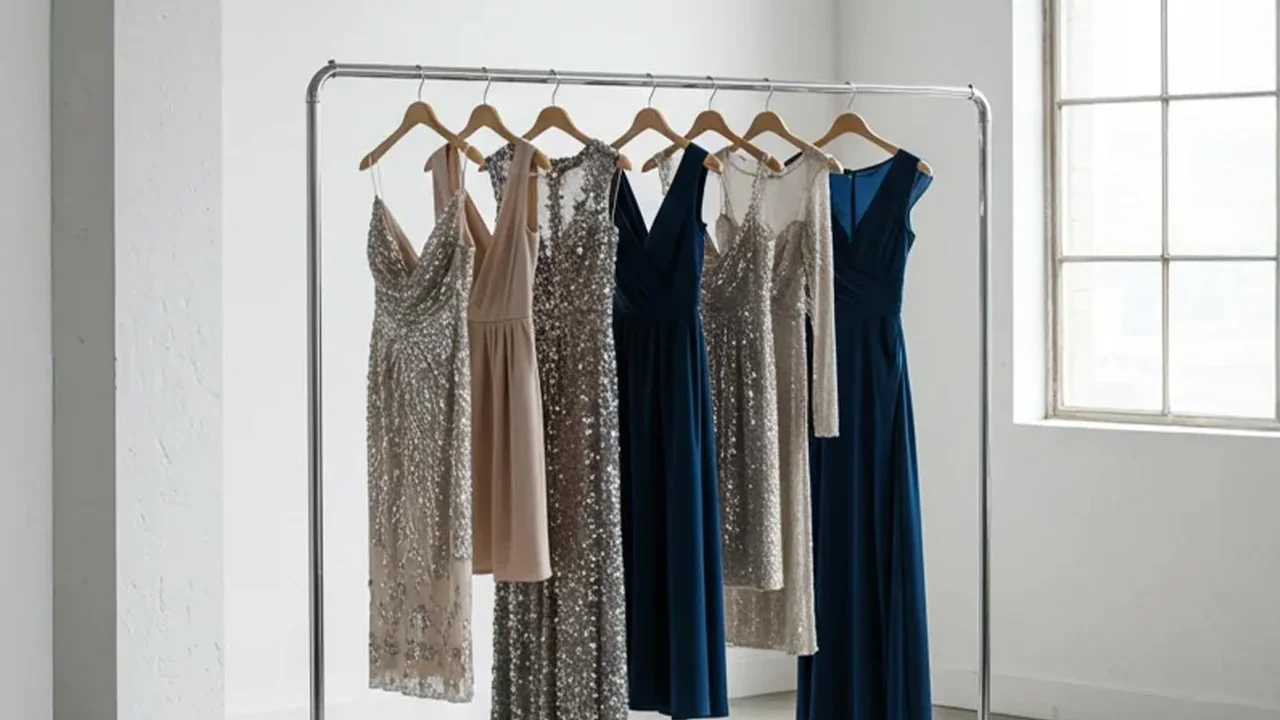



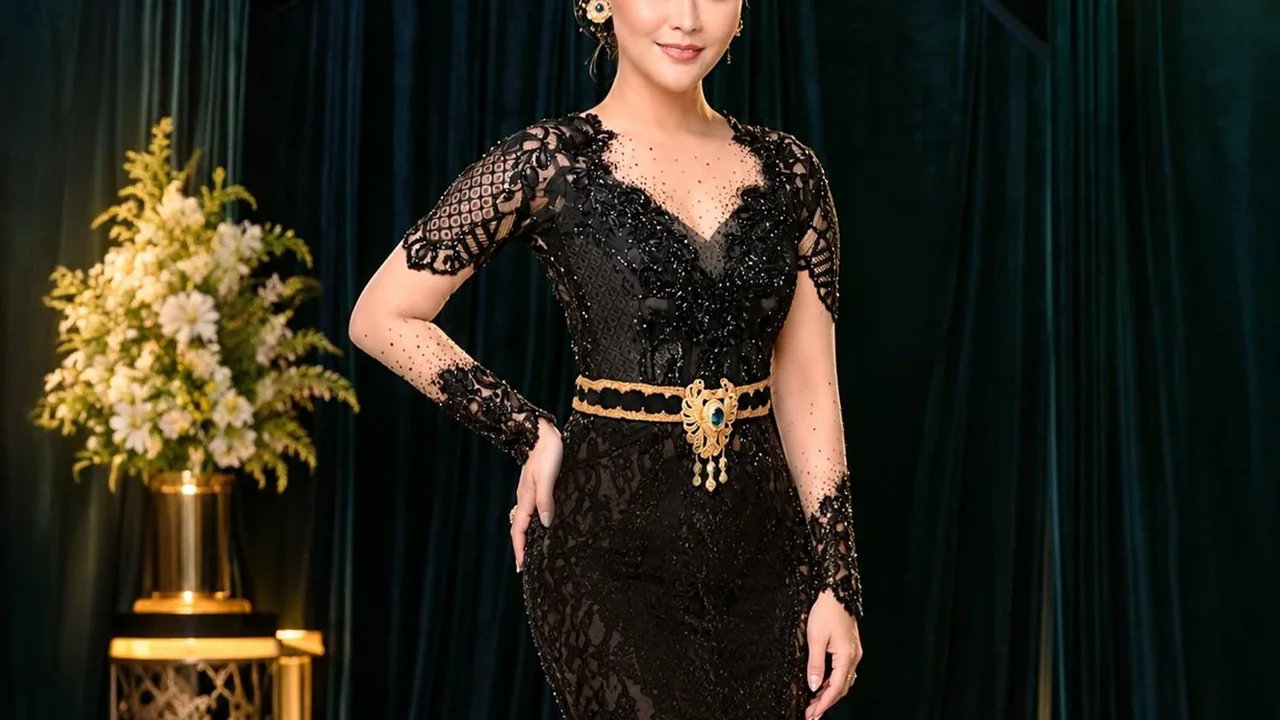
That perfect dress for a wedding, worn once and now collecting dust. It's a familiar story. But a major shift is underway, as rental fashion services offer a compelling alternative that is changing our entire relationship with dressing up.
From Asset to Access
Not long ago,
a special occasion meant a significant investment. Buying a high-end dress or suit was the only option, an asset to be owned and, hopefully, re-worn. Today, that model is being disrupted by a simple but powerful idea: access over ownership. Companies like Rent the Runway and Nuuly have pioneered a system where consumers can borrow a designer outfit for a fraction of the retail price. This shift caters perfectly to a modern consumer mindset that prioritizes experiences over possessions and variety over permanence. Instead of committing to one expensive garment, shoppers can tap into a virtually endless closet for every wedding, gala, or holiday party, fundamentally changing the economic equation of getting dressed for an event.
The 'Cinderella' Effect and Social Feeds
The psychological appeal of renting is undeniable. It offers what many call the 'Cinderella' effect: the thrill of wearing a luxurious, high-status garment for a night without the long-term financial commitment. In an age dominated by social media, where appearing in the same outfit twice can feel like a faux pas, renting provides a continuous stream of newness. This model allows consumers to experiment with bold styles and high-end brands they might never afford or dare to buy. It’s a low-risk way to play with identity and stay on-trend, satisfying a desire for novelty that fast fashion once monopolized, but with a more premium feel. The focus moves from the pride of ownership to the joy of the temporary experience.
A Complicated Shade of Green
Rental fashion is often positioned as a sustainable choice, a virtuous alternative to the waste of fast fashion. By extending the life of a single garment through multiple wears, the model contributes to a circular economy and can reduce the demand for new production. However, the environmental picture is complex. The sustainability benefits hinge on renting actually replacing a purchase, not just becoming an additional consumption habit. Furthermore, the logistics of renting — constant shipping back and forth and intensive dry cleaning between users — create their own significant carbon footprint that can sometimes offset the savings from reduced production. While it's a step away from throwaway culture, experts caution against viewing it as a perfect green solution.
The Future of the Occasionwear Closet
The rise of rental has permanently altered the occasionwear market. Traditional retailers are now forced to compete with the convenience and variety of these digital platforms, with some even launching their own rental services. The trend is also expanding beyond formalwear into categories like maternity clothes, children's party outfits, and even everyday work attire. This suggests a future where the closet is a hybrid of core owned staples and a rotating selection of rented pieces for novelty and special events. As technology improves with virtual fitting rooms and AI-powered recommendations, the convenience will only grow. The expectation is no longer about owning the perfect dress, but about having access to it, just when you need it.